Saturday, 27 June 2026
Saturday, 27 June 2026
Saturday, 27 June 2026
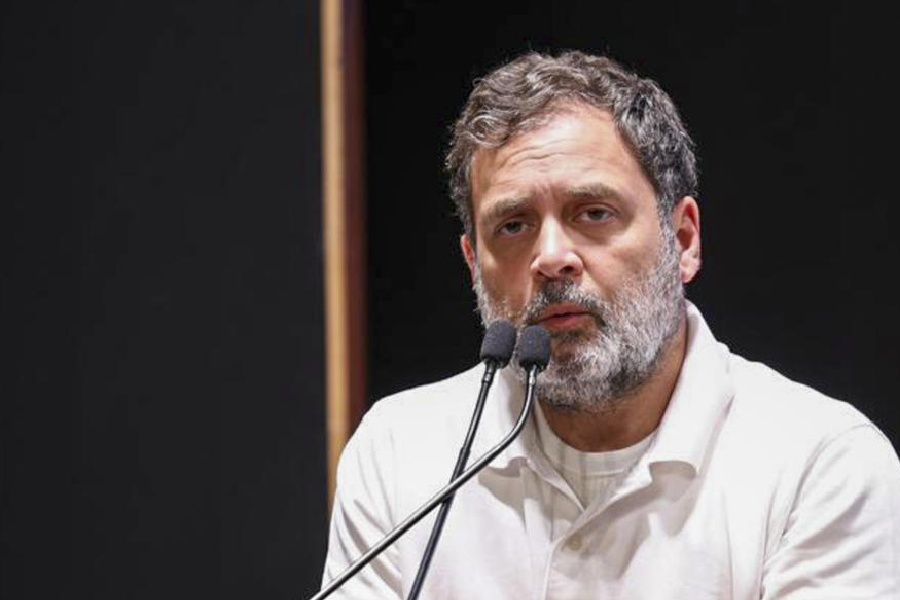
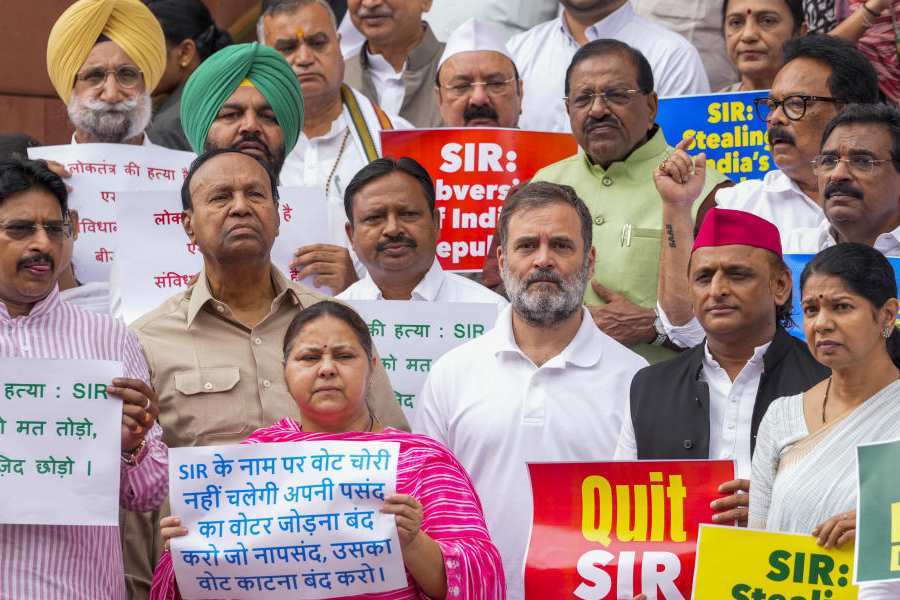
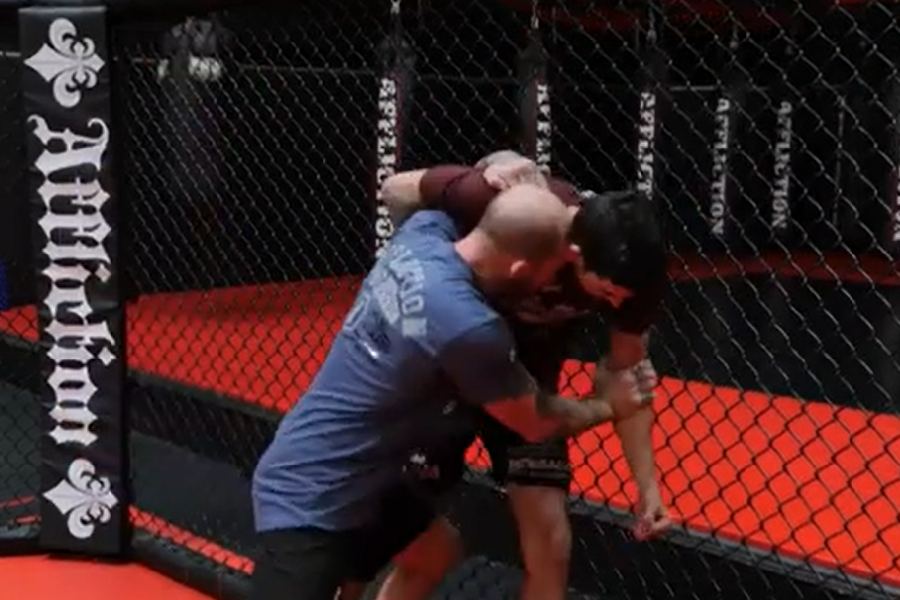
When Rahul Gandhi likened geopolitics to jiu-jitsu in Parliament during the Budget session, the comparison stood out for its technical texture.
He spoke of grips and chokeholds, of how the US pressure had allegedly outmanoeuvred the Modi government into uncomfortable positions.
Modern politics is rarely about landing a dramatic punch. It is about leverage. And it is about endurance, who can keep their hold long enough for the other side to tire, recalibrate or tap out.
Seen through that lens, contemporary Indian and global politics resembles a grappling match more than a battlefield.
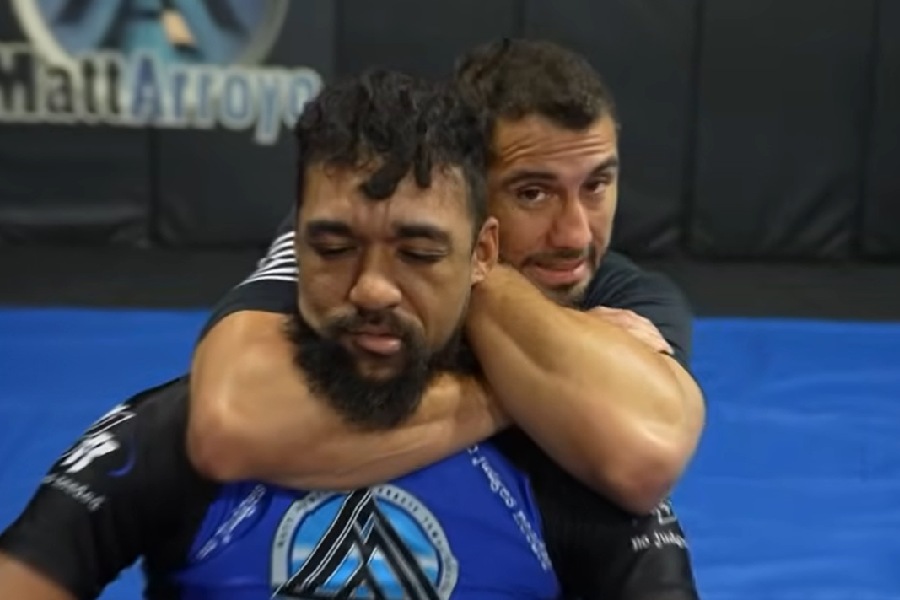
Electoral dominance: Rear-naked choke
The rear-naked choke in Brazilian Jiu-Jitsu is efficient. Once the hooks are in and the grip is locked behind the neck, escape becomes harder with each passing second.
The BJP’s sustained electoral dominance since 2014 resembles that kind of hold over the Congress.
Electoral success in Lok Sabha and various state Assemblies has given the BJP a structural advantage. Organisational strength, funding, messaging discipline and expansion into new geographies have tightened political space for the Congress.
Congress has not been knocked out in one blow. It has been restricted. State-level setbacks, leadership churn, regional fragmentation, each reduce manoeuvring room.
In a choke, the opponent often appears stable for several seconds. Then oxygen runs out.
The question for Congress is whether it can break posture.
Investigative pressure: Arm triangle
Over the past several years, Opposition leaders across states have faced scrutiny from central agencies such as the Enforcement Directorate and the CBI. BJP supporters call it anti-corruption enforcement, critics call out the timing. In grappling terms, this resembles an arm triangle choke.
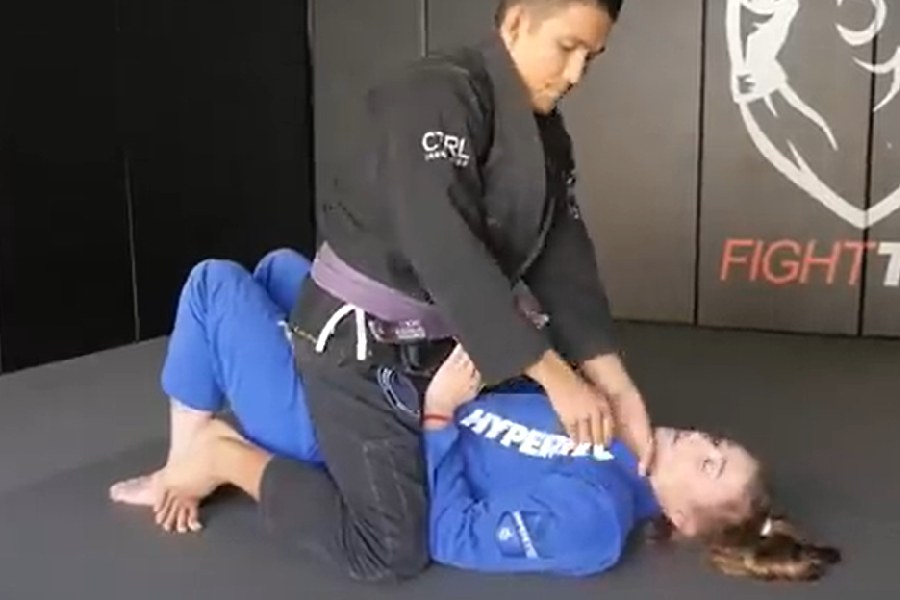
The move uses the opponent’s own arm to compress their neck. There is no spectacle, no strike, just incremental tightening. Legal battles consume bandwidth. Court appearances replace campaigning. Narrative shifts to defence.
Even if cases do not end in conviction, the process itself shapes political oxygen. Control, not chaos, defines the hold.
Coalition governments: Clinch
Indian politics frequently produces hung assemblies, Karnataka (2018), Maharashtra (post-2019), and Bihar's shifting alliances. This was not a knockout phase, it was a clinch. In grappling or Muay Thai, a clinch is close-quarters engagement.
Strikes are limited and balance is everything. Coalitions function the same way. Partners lean into one another for survival. Every seat-sharing negotiation is a micro-adjustment of weight and every defection risks collapse.
There is rarely domination in a clinch, only survival.
Opposition unity in India: Triangle choke
The INDIA bloc was designed to box in the BJP by bringing together regional and national players. In theory, it works like a triangle choke, pressure coming from three sides, limiting the dominant side’s room to manoeuvre.
But a triangle only works if it is locked tight. Seat-sharing disagreements, leadership questions, and competing state-level interests have left fissures. In several states, parties that are allies nationally remain rivals locally.
When the hold isn’t secure, the opponent straightens up, creates space and slips out. In coalition politics, headcount alone does not win, alignment does.
India between US and China: Double underhooks
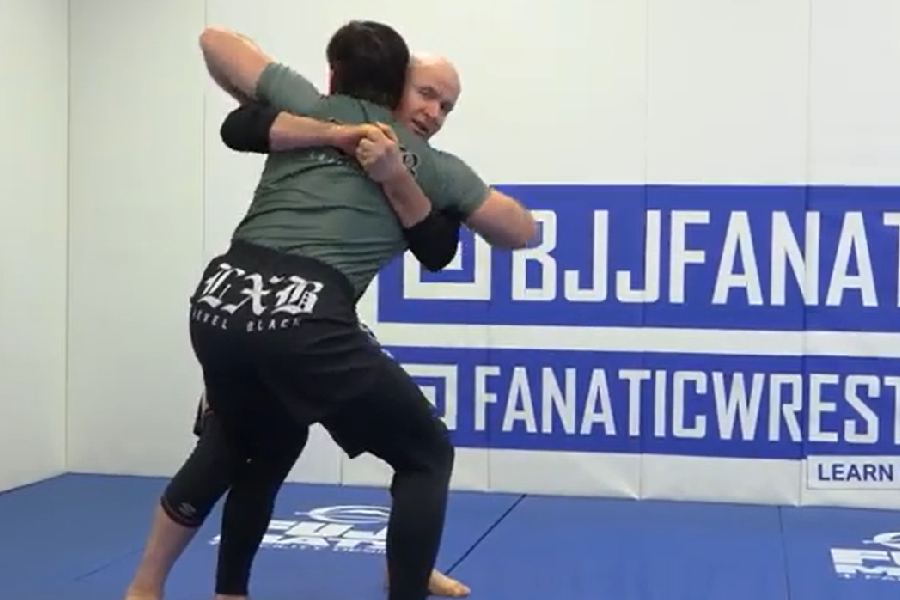
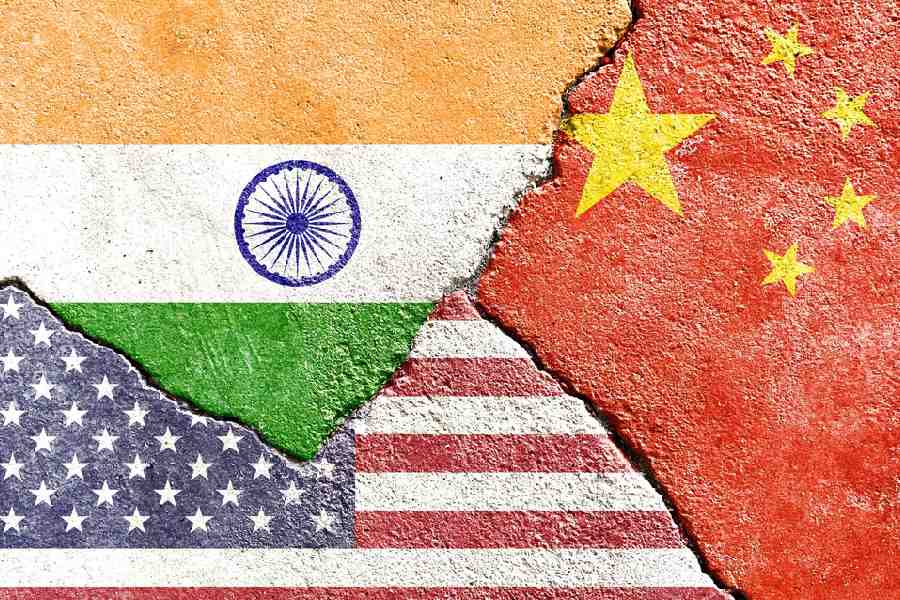
In grappling, double underhooks allow one fighter to control the opponent’s upper body, limiting rotation. India’s strategic positioning between Washington and Beijing reflects similar mechanics.
The US pushed deeper defence and technology ties through the Quad and Indo-Pacific strategy. China remains India’s largest trading partner despite border tensions.
India’s response has been posture management, strengthening US ties without severing Chinese trade links. The objective is not to break free from both powers. It is to avoid being pinned down.
Twisting economic leverage: Kimura
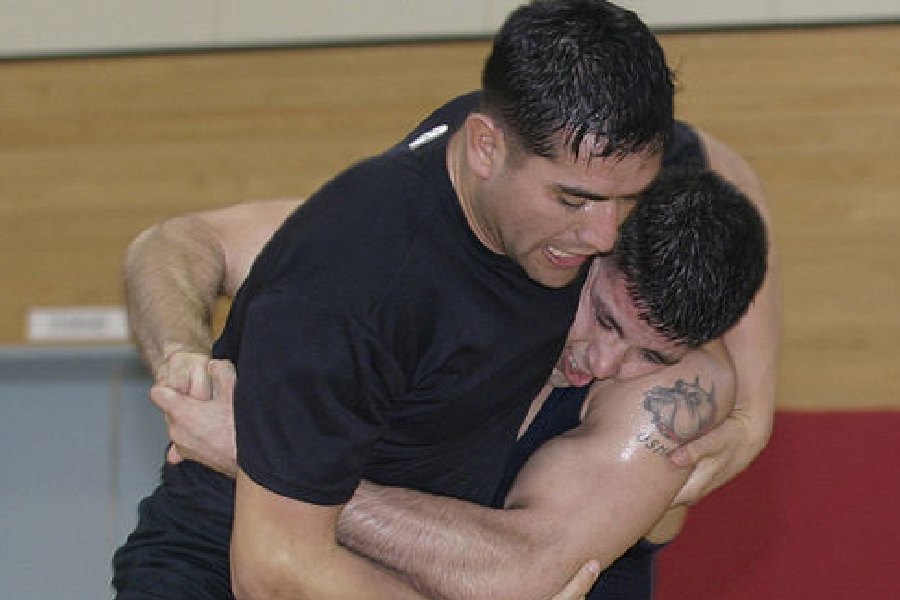
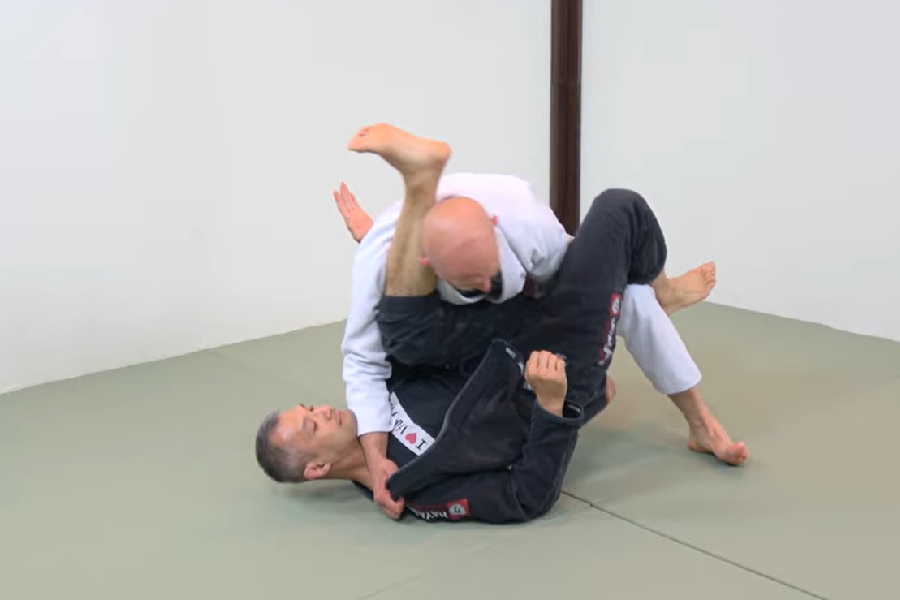
A kimura is not a choke, it is a shoulder lock; a painful torque applied to force compliance.
The West’s sanctions on Russia after the Ukraine invasion are effectively geopolitical kimuras, not destroying the opponent outright, but constraining movement and inflicting controlled pain.
By targeting banks, energy revenues and access to technology, the pressure is applied to specific joints of the Russian economy.
Russia–Ukraine: Attempted full mount
When Russia invaded Ukraine in 2022, the initial strategy appeared to seek rapid dominance. In grappling, full mount is top control intended to end resistance. Instead, Ukraine bridged.
In grappling, a bridge is not passive resistance; it is a sudden shift of leverage that unsettles the opponent’s balance and creates space to recover guard or scramble to a stronger position. Ukraine’s counteroffensives, its rapid mobilisation, and its ability to secure sustained Western military aid functioned in much the same way.
Western military and financial support altered leverage and sanctions reshaped the terrain. Mount control is powerful, but only if maintained. A failed mount invites reversal.
NATO expansion: Guard recovery
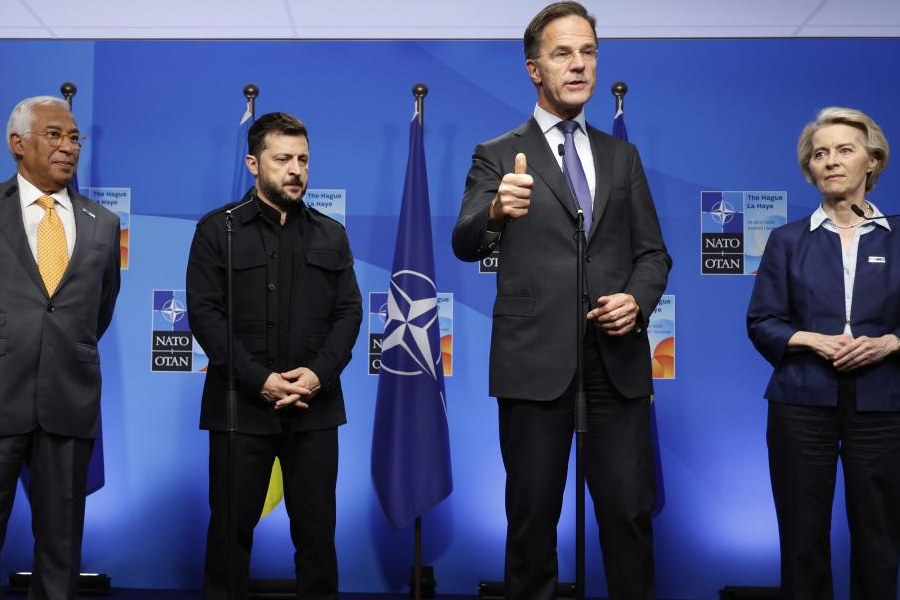
Following the invasion of Ukraine, NATO did not directly engage Russia. Instead, Finland and Sweden moved toward membership, strengthening the alliance’s perimeter.
In Brazilian Jiu-Jitsu, when under attack, the first priority is guard recovery, re-establishing defensive structure before launching an offence. Expansion functioned as structural stabilisation rather than escalation.
Israel-Hamas conflict: Pressure pass
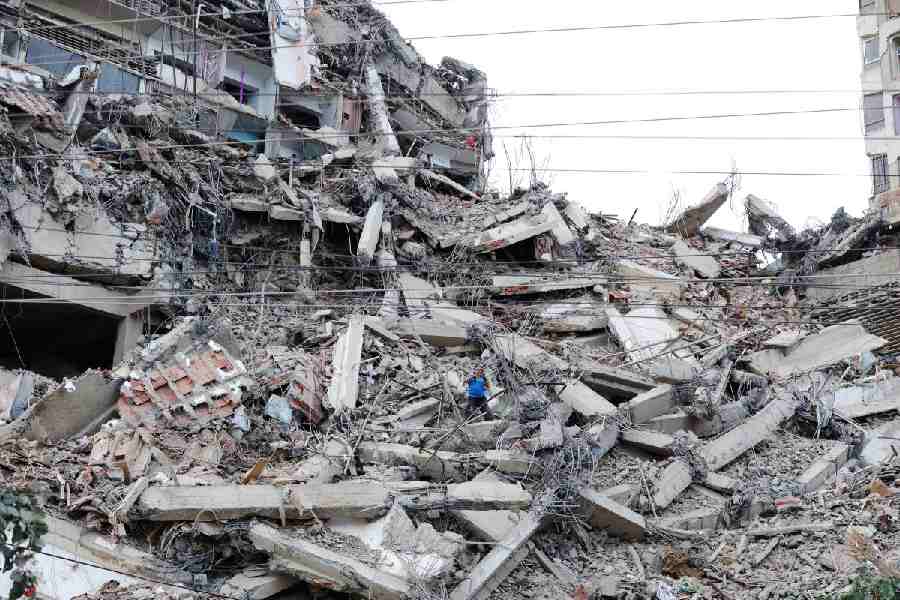
A pressure pass collapses the opponent’s guard. It is incremental, suffocating. Israel’s military campaign in Gaza, combining air dominance with ground manoeuvres, resembles an attempt at positional pressure.
In the Israel–Hamas conflict, Trump’s approach often resembled a pressure pass. Rather than launching straight into a decisive strike, he layered weight gradually - public ultimatums to Hamas, hard deadlines on hostage releases, and signals that U.S. support was conditional on movement toward ceasefire terms.
EU vs big tech: Wrist lock
European Union regulatory actions against technology firms, through antitrust fines and privacy laws, resemble wrist locks—restrictive and designed to force compliance. The objective is not destruction, but controlled adjustment.
A wrist lock does not break the arm unless resisted. Google, Apple, Meta - none were knocked out, but their operational freedom was narrowed.
Middle East realignments: Counter-striking
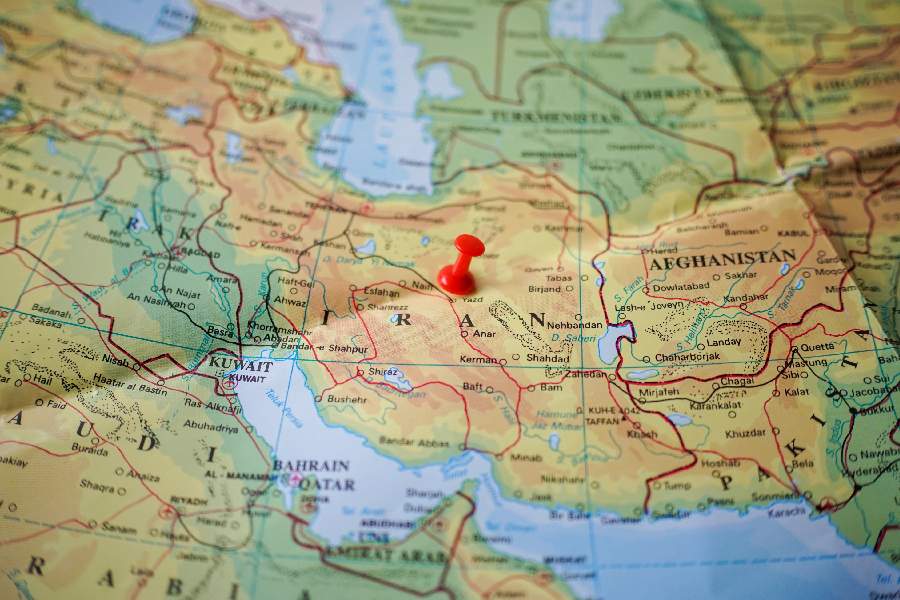
Iran’s regional posture, Israel’s calibrated responses, shifting Gulf diplomacy, these resemble counter-striking strategy. In combat sports, counter-strikers absorb initial pressure and respond with precision.
Escalation is measured, signals are deliberate and full engagement is avoided. Timing matters more than aggression.
US debt ceiling standoffs: Cage clinch
Repeated debt ceiling confrontations between Republicans and Democrats resemble a cage clinch in mixed martial arts.
The fight is less about ideology and more about timing, who blinks first without triggering economic instability.
Climate negotiations: Body lock
Global climate negotiations tie together developed and developing nations in structural interdependence. In grappling, a body lock binds two fighters and movement is limited for both. No one can disengage entirely.
Compromise is incremental and progress depends on micro-adjustments, not dramatic throws.