Saturday, 13 June 2026
Saturday, 13 June 2026
Saturday, 13 June 2026
In a quiet cafe popular for its free Wi-Fi and good coffee, a Russian interior designer logs onto a virtual private network so she can chat with friends abroad using the US messaging service WhatsApp, which is blocked inside Russia.
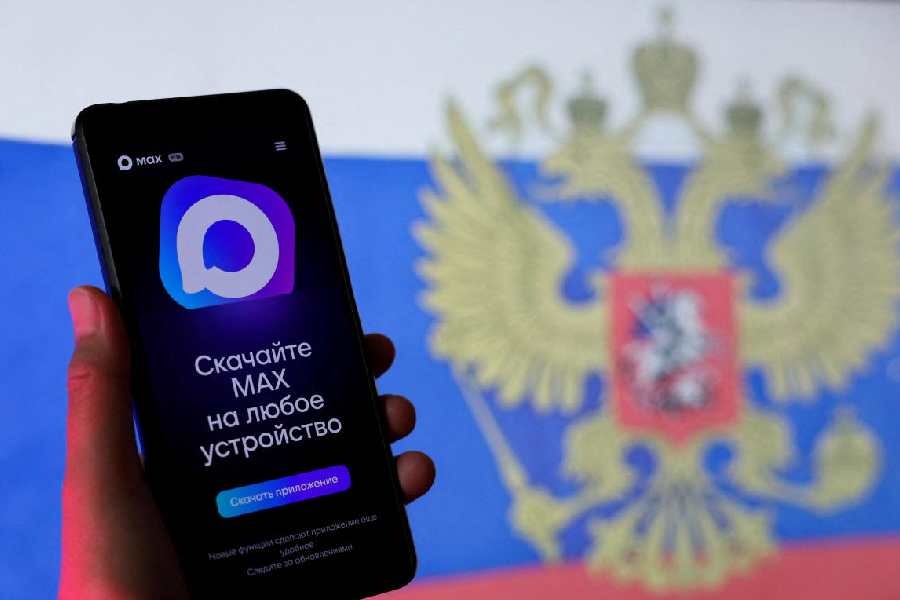
Later, she toggles off the VPN to buy a ticket on the Russian Railways website, which bars anyone using the tools to obscure their location. She then picks up a second phone to check for messages from clients on the state-controlled app MAX.
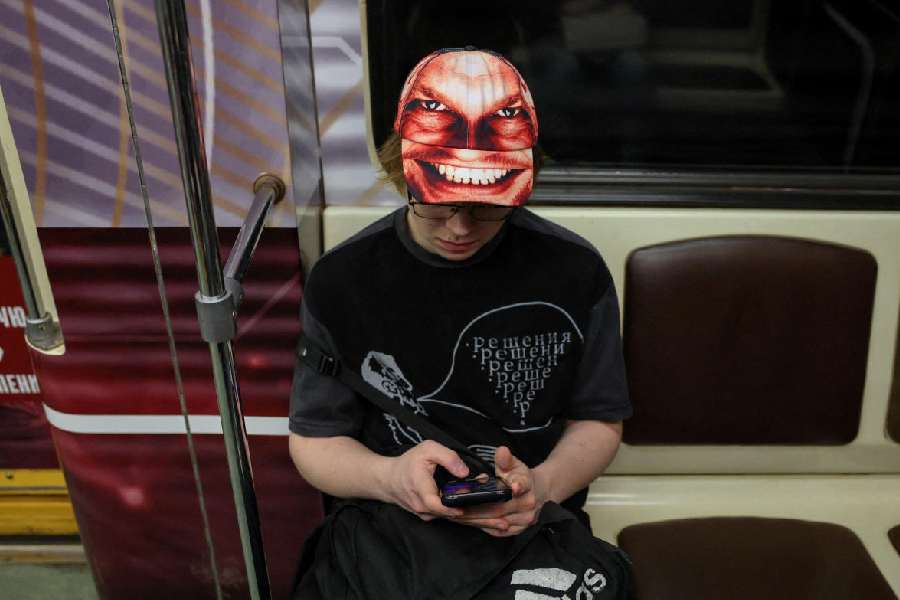
Since the Kremlin ratcheted up control over the internet this year, Russians have been turning to increasingly convoluted technical solutions to circumvent state monitoring and restrictions on popular foreign apps like Meta Platforms' WhatsApp and the Telegram messenger.
The biggest crackdown of its kind under President Vladimir Putin has at times disrupted banking, transport and e-commerce, irritating people ahead of a September parliamentary election, according to statements from Kremlin-friendly opposition parties, prominent bloggers and business leaders. Even some social media influencers, who usually stay clear of politics, criticized the restrictions.
Frustration over the curbs – together with rising prices, tax hikes and war fatigue – is widely believed to have contributed to Putin's falling approval ratings, which dropped from 75.1 per cent in February to 65.6 per cent in April, according to state pollster VTsIOM. This was their lowest level since he launched the all-out conflict in Ukraine in 2022. They now stand at nearly 67 per cent.
Officials have been pushing Russians to use state-backed alternatives to foreign apps and websites in a drive for "digital sovereignty". But some users are wary following warnings from Kremlin critics and some Western tech companies that MAX could be used to track them, which technology giant VK, its owner, denies.
Quarantining the app on a second phone feels safer, said Irina, the 41-year-old interior designer.
"Of course this is all a huge pain in the backside, but what else can we do?" she said, asking to be identified by one name due to the sensitivity of the matter. "You get used to it and spend your days turning VPNs on and off, toggling between different messengers and switching between different virtual countries or phones to use the apps and websites you need."
VPN downloads surge
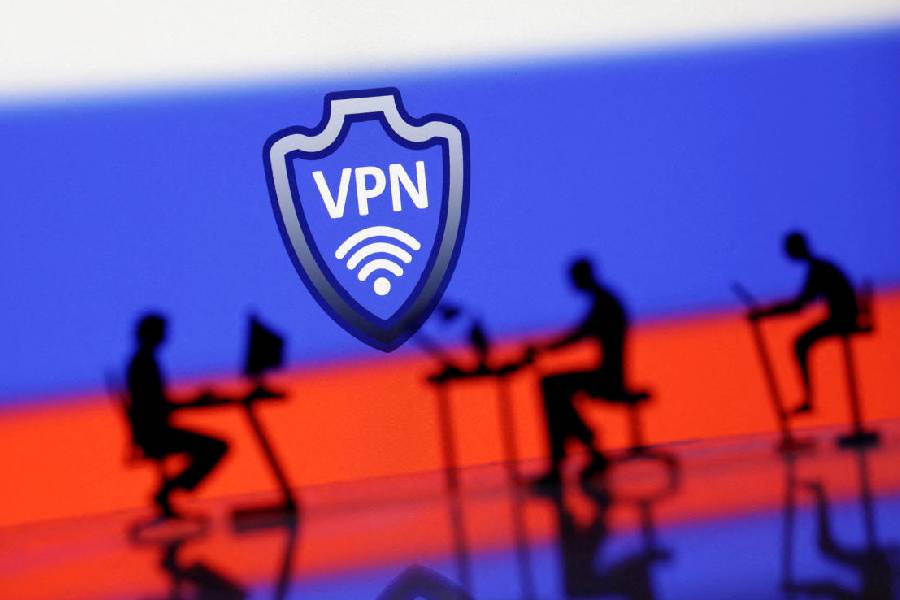
VPNs work by routing a user's internet connection through private servers outside Russia. In March alone, there were 9.2 million downloads of the five most popular VPN services from the Google Play store, 14 times more than the same month last year, the Russian daily newspaper Kommersant reported, citing data from Digital Budget, a Moscow-based consultancy that tracks online behavior.
"We've never seen this kind of take-up rate before," said Sarkis Darbinyan, a Russian internet freedom activist based in Lisbon.
Moscow has designated Darbinyan a "foreign agent," a term it applies to people it views as engaged in anti-Russian activity.
Kremlin spokesman Dmitry Peskov has said repeatedly that internet controls are necessary when Russia is locked in what officials cast as an existential clash with the West over Ukraine. But Putin instructed the government in April to tread more softly, telling lawmakers it was "counterproductive" to "focus solely on bans and restrictions."
Government officials did not respond to questions for this article.
While many authoritarian countries impose strict limits on internet use, Russians had grown accustomed to a degree of online freedom. Security services have long sought to silence domestic critics, but authorities rarely interfered with people's ability to use foreign apps or access Western media content before the Ukraine war.
Since last year, the FSB security service, successor to the Soviet-era KGB, has been ordering telecom companies to shut down the mobile internet for days at a time in regions across Russia, saying Ukrainian attack drones can use it to aid navigation.
Authorities have also been blocking or slowing connections to a growing list of apps and websites, which state communications regulator Roskomnadzor alleges are platforms for illegal and extremist content.
WhatsApp and Telegram have accused Russia of trying to force people to use less secure, government-mandated apps. The disruptions intensified in March with a nearly three-week outage in Moscow, upsetting senior bureaucrats who need the internet and Telegram to corral votes for the ruling United Russia party, according to two sources close to the Kremlin and some analysts.
"The issue is not whether the regime will be able to secure the outcome it wants (it will), but whether the electoral process will be a smooth one," Tatiana Stanovaya, a senior fellow at the Carnegie Russia Eurasia Center, wrote in April.
Even loyal government officials download VPNs and carry multiple phones to keep government-backed apps like MAX separate from the rest of their digital lives, the sources told Reuters.
Some also remove the microphone and camera from devices with MAX installed in case the FSB can access them, one source said.
"Even if you're not up to any mischief, nobody wants the FSB reading your messages," the source said.
'Game of cat and mouse'
Putin's special envoy, Kirill Dmitriev, does not try to hide his VPN use, posting regularly on X, which cannot be accessed inside Russia without one. While it is not illegal to use VPNs, Roskomnadzor has restricted access to hundreds of them, setting up a game of cat and mouse with users who must keep downloading new services to access content they want.
In April, government offices, banks and major online retailers – acting on the regulator's instructions – started preventing people with a VPN enabled from accessing their sites. The move coincided with a 10 per cent drop in internet traffic for Wildberries, Russia's Amazon equivalent, according to Digital Budget.
"As market participants note, many users do not switch off their VPN to access the site and simply lose interest in making a purchase if they cannot open the product page," Digital Budget said in a Telegram post.
The percentage of Russians who acknowledge using a VPN increased from 23 per cent in 2022 to 36 per cent this year, according to the Levada Center, a non-government pollster that is on Moscow's foreign agent list.
Younger, tech-savvy adults will sometimes buy VPN subscriptions for their parents or set up their own custom-designed VPNs. But many Russians prefer to use apps and websites that work without them.
MAX, which launched last year, has over 85 million daily users, its owner said in May.
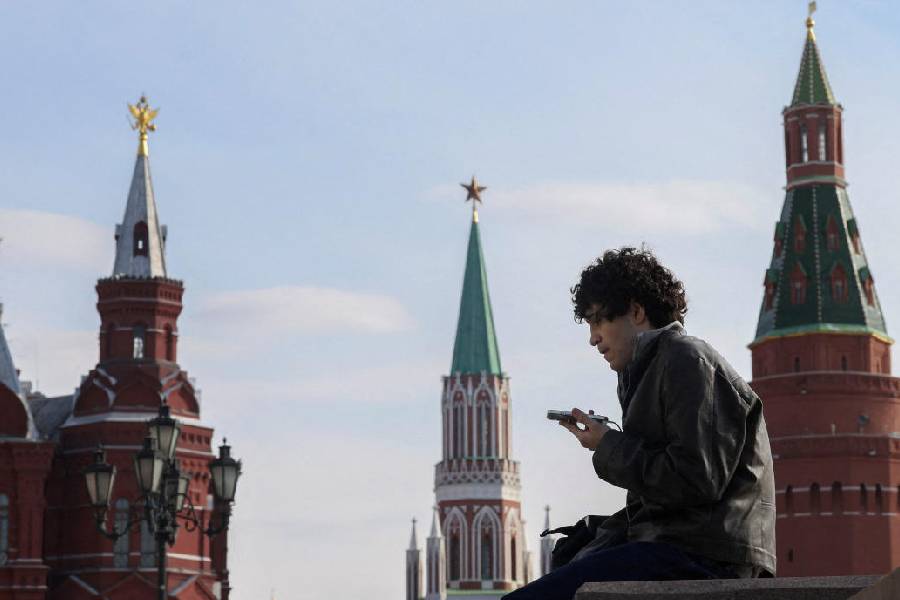
Interviewed by Reuters TV near Moscow's Bolshoi Theatre, half a dozen office workers and passers-by offered a snapshot of public opinion. Half expressed irritation with the digital environment; others said they had adapted and didn't use VPNs.
"Most Russians simply do not see the need to go to any extra trouble – what is readily available is quite sufficient for them," Levada's director, Denis Volkov, wrote in April.
When navigation apps stopped working in Moscow in March, delivery drivers for Flowwow, an online flower and gift marketplace, used vendors' Wi-Fi connections to download directions to customers' addresses, said Yuri Semichastnov, the site's logistics head.
Sales of paper maps more than doubled in the capital during the shutdown, according to Wildberries data. With frustration building, the Kremlin softened its rhetoric in recent weeks, assuring the public that the mobile internet shutdowns are temporary.
A plan to have mobile service providers charge customers extra for using more than 15 gigabytes of foreign data in a month was postponed in May, Russian media reported, saying the requirement targeting VPN users would probably be introduced after the election.
Putin has also asked the government and FSB to work together to ensure critical services like healthcare platforms and online payment systems remain operational.
Irina, the interior designer, is not expecting her digital life to get easier anytime soon, though.
"In Russia, we have a saying: Nothing is more permanent than the temporary," she said.