Sunday, 31 May 2026
Sunday, 31 May 2026
Sunday, 31 May 2026
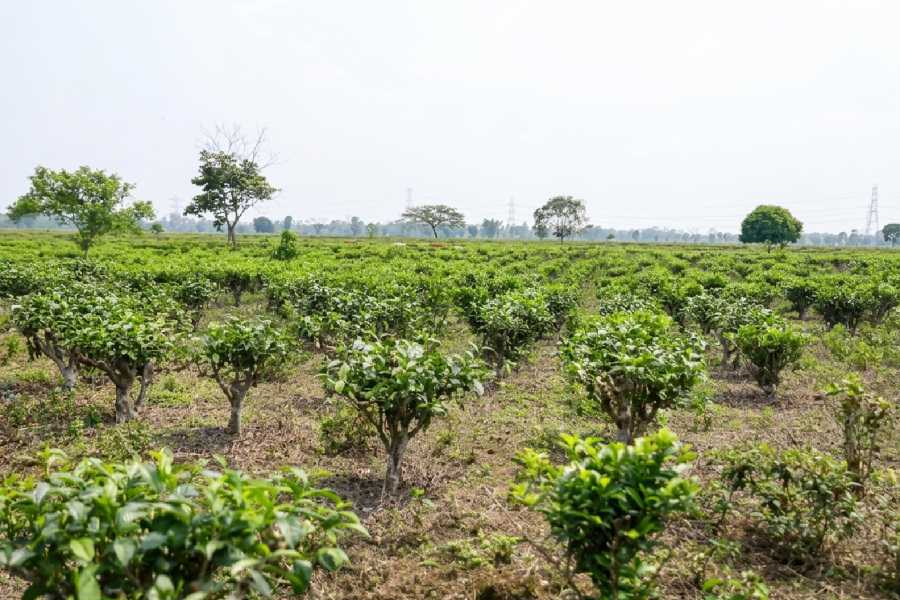
When you look at the long stretches of bright green tea gardens that go as far as the eye can see, “sick” or “dying” would be the last things that come to your mind. The gardens seem well-maintained; all the tea plants are of the same height, and there’s almost little to no garbage.
For the people responsible for keeping it this way, though, life has been anything but green.
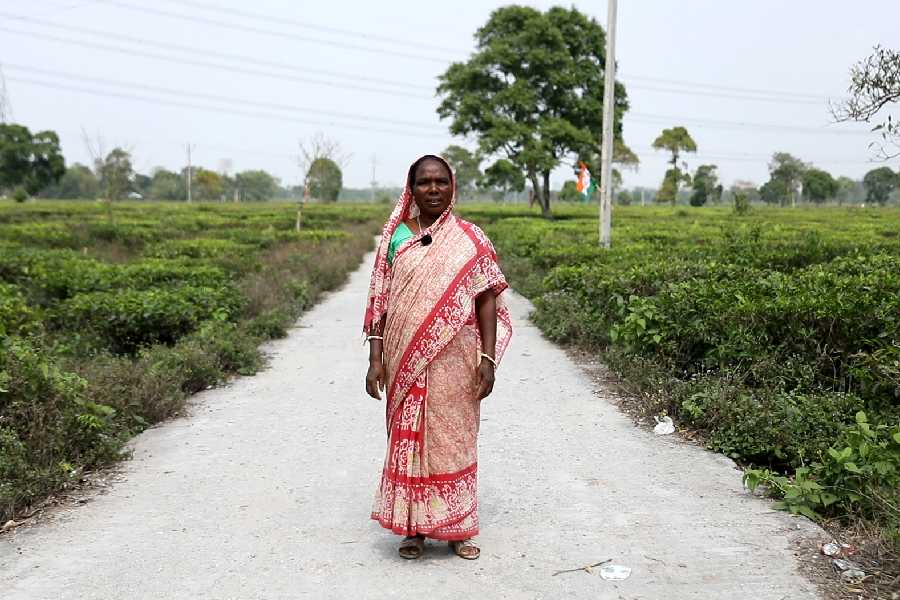
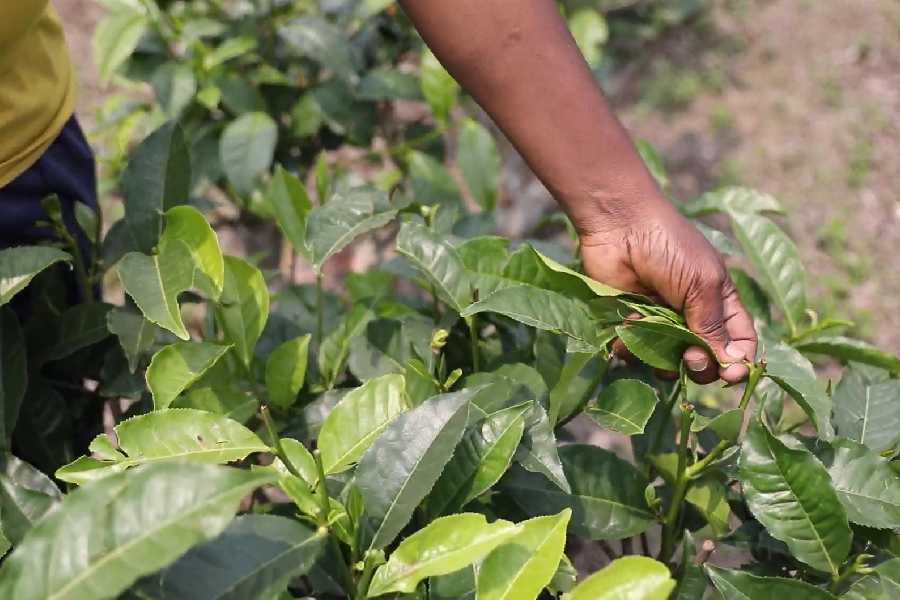
It is 10 in the morning, and Devi Lohar, 50, has already completed cleaning a part of the Raipur Tea Estate. She gets paid Rs 100 per day for cleaning up, along with thousands of others who, like her, have lived in this estate for generations and are engaged in cleaning the gardens six times a week.
After the tea garden work, Lohar will take a ferryboat to cross the Teesta and work in the chilli and potato fields situated on the other side. Many other women go along with her.
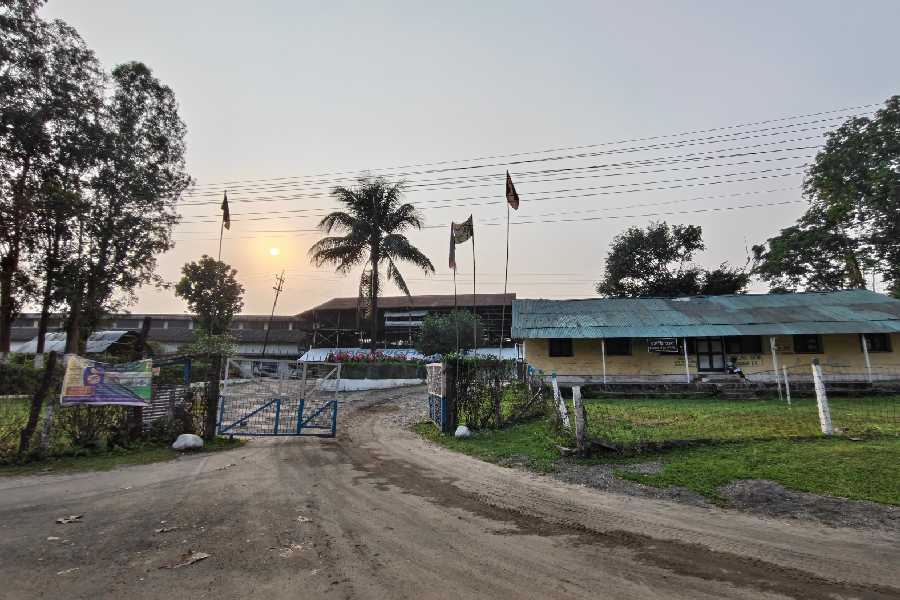
Like the one in Raipur, several tea estates in the district have changed ownership several times over the years and have sometimes been shut down intermittently. Those like Lohar, whose lives are dependent on the tea gardens, have had to bear the brunt.
“When the tea garden was shut down, we faced a lot of problems,” Lohar tells The Telegraph Online. “We could not feed our children. We could not pay their school fees. My children had to drop out of school and couldn’t complete their education.”
Her elder son dropped out of school in Class V; her younger son managed till the ninth. Her elder son sells fritters to supplement their living expenses; the younger is unemployed. Her daughter-in-law, too, accompanies her to the chilli fields to work.
According to Lohar, the new owners don’t pay much attention to the tea gardens because “the prices of tea have not risen”, which leaves her and many others without proper work. An entire workforce, comprising mostly of women, resorts to plucking and selling the tea leaves themselves to salvage whatever income they can get.
Lohar has been working on this estate since she was 18 and has seen the estate change hands multiple times. The rise in the cost of living worries her.
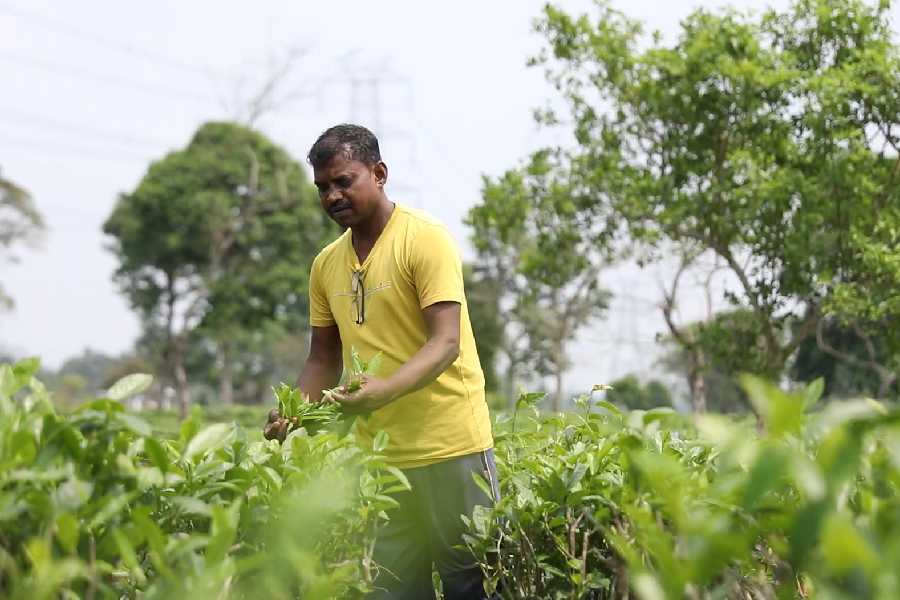
Pradhan Hembaram, 47, another tea garden worker among at least 50 families whose lives depend on this estate, watches the gardens with nostalgia. He remembers when almost 6,000 workers used to be employed. Now, it is a struggle to find more than a handful at a time. “The garden first closed in 2003 and remained shut until 2016, when the ownership changed hands, only for it to shut again in 2018,” he tells The Telegraph Online. Hembaram is one of the lucky ones whose ancestors owned a piece of farmland, which supplements his income; most of his peers aren’t that lucky.
“Over the years, I have seen several young people migrating to the city or to other states in search of work. For generations, this has been the only work we knew, so we struggle to get any other work. That’s why most of our people who migrate end up working as daily wage labourers, especially in construction work,” he says.
Tea gardens across north Bengal are witnessing a purge of the profession of the tea estate worker, where the current and next generation are rapidly moving away from a generations-old profession to newer professions, still struggling.
While government schemes like Lakhir Bhandar and Yuva Sathi do help these families, they are desperate for a permanent solution. They want a representative who can “actually help revive the gardens and actively work” for their development. Unlike Raipur Tea Estate, however, most of the tea estates in north Bengal are functional. The situation, however, remains dire.
Rohit Parekh, head of department at the Baradighi Tea Estate, tells The Telegraph Online: “Our gardens here are functional, but they are in a bad condition. Due to the new norms, we can’t use certain chemicals. That, along with climate factors, has resulted in several of our crops getting destroyed and returning a very poor yield. Produce from our Jorhat gardens in Assam is currently keeping the business running.”He is worried that the reduced demand for tea because of the ongoing Iran-Israel war, along with pre-existing problems surrounding the tea business, paints a bleak future for him and other tea estate owners.
Iran, one of the biggest importers of tea from India, has stopped its import.
Parekh has, however, converted the old British bungalow in the estate into a luxury resort, which employs several people from the tea gardens and plays a small part in supporting them and the tea estate business in general.
Bengal chief minister Mamata Banerjee recently emphasised that she would increase the salaries of tea garden workers and make sure that they get provident fund benefits. She also added that land pattas (documents) are being given out to those who live in the tea estates – some have already been given, more are on their way. Local residents are hopeful that their Didi will improve their lives. But given the circumstances, the physical and professional exodus of tea-estate workers seems inevitable in what is another industry virtually on its last breath in Bengal.