The Union Cabinet approved a ₹1 lakh crore fund to help finance urban infrastructure projects across India, advancing a plan announced in the budget to modernise the country’s rapidly expanding cities.
Under the scheme, central assistance from the Urban Challenge Fund (UCF) will cover 25 per cent of a project’s cost, provided that at least 50 per cent of the funding is mobilised from the market, encouraging private sector participation and credit worthiness of the infrastructure project.
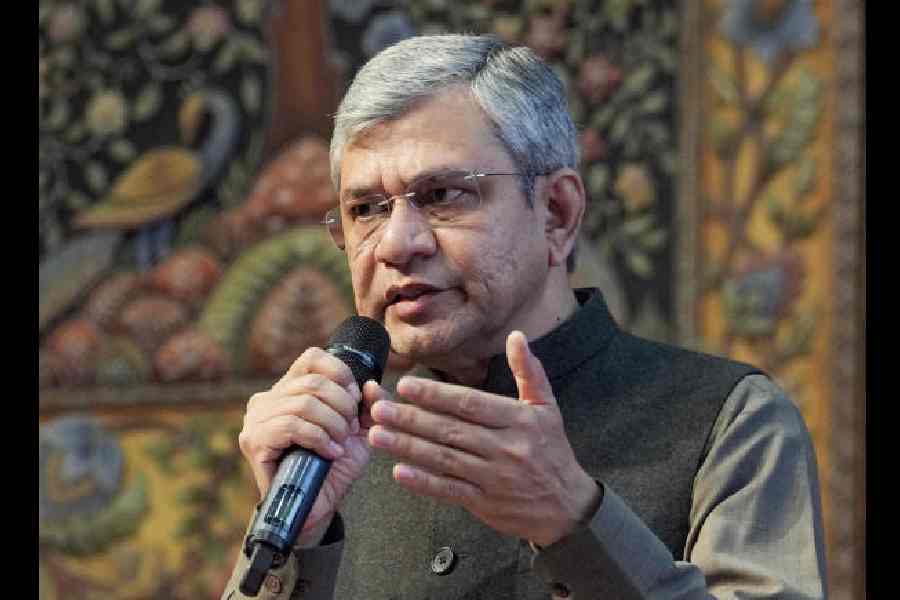
The scheme, announced by railways and IT minister Ashwini Vaishnaw on Saturday, signals a move away from grant- based financing to market-linked, reform-driven and outcome-oriented infrastructure creation, the government said in a statement, adding the Fund will spur a total investment of ₹4 lakh crore in urban sector in next five years.
The UCF will be operational from FY 26 to FY 31, with an extendable implementation period up to FY 34.
According to the scheme, a minimum of 50 per cent of project financing has to be
mobilised from market sources, including municipal bonds, bank loans and public–private partnerships. The remaining share can be contributed by states, union territories (UTs), urban local bodies or other sources.
In the budget earlier this month, finance minister Nirmala Sitharaman announced that the Centre would now focus on tier II and III cities, which need modern infrastructure and basic amenities. “This Budget aims to further amplify the potential of cities to deliver the economic power of agglomerations by mapping city economic regions (CER), based on their specific growth drivers,” the FM had said in her speech
The fund launched now aims to build resilient, productive, inclusive and climate-responsive cities, positioning them as key drivers of the country’s next phase of economic growth, according to the statement. Projects will be selected through a transparent and competitive challenge mode, ensuring support to high-impact and reform-oriented proposals, it said.
The fund will cover cities with a population of 10 lakh or more (2025 estimates); all state and UT capitals not included in that category, and major industrial cities with a population of 1 lakh or more, the fine print noted.