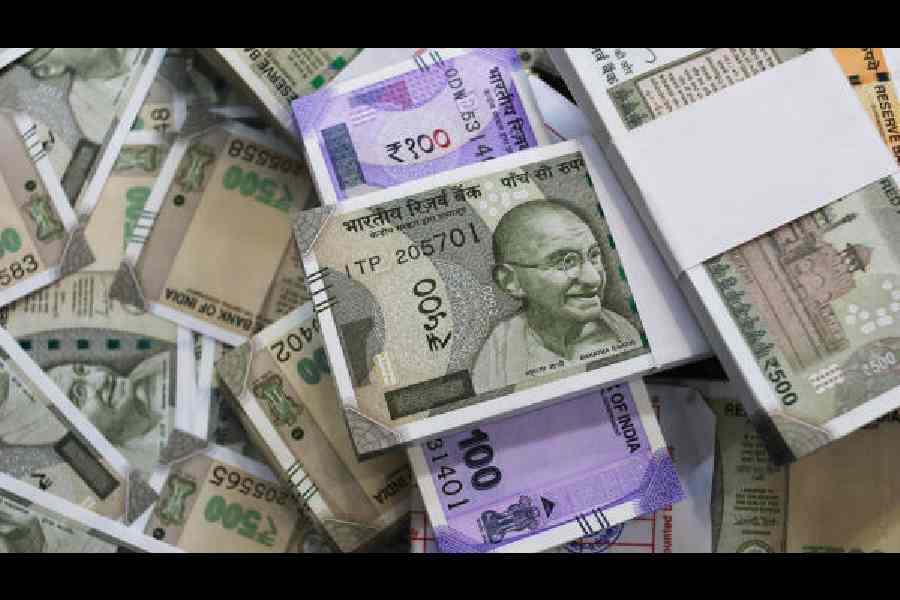
The Reserve Bank of India (RBI) on Monday announced a partial withdrawal of restrictions it had imposed last month to curb rupee volatility. Under the updated directives, which take effect immediately, the central bank has reinstated the ability for authorised dealers to offer rupee-denominated non-deliverable contracts (NDCs) to both resident and non-resident users, signalling a return toward market normalcy.
This policy pivot follows a period of significant currency stress in March, when the rupee plunged to a record intraday low of 95 against the greenback, triggered by a combination of sustained foreign capital outflows and Brent crude prices breaching the $100-per-barrel threshold.
The notification rescinds the restrictive instructions issued on April 1, 2026. However, the central bank remains vigilant against speculative activity, and authorised dealers are still strictly prohibited from entering into these derivative contracts with related parties. The exceptions to this rule are narrow, permitted only for the cancellation or rollover of existing contracts or for back-to-back transactions executed with non-related, non-resident users.
In response to the earlier slide, the RBI had deployed two rounds of aggressive stabilisation measures, which included replacing the previous 25 per cent limit on banks’ net open rupee positions with a strict $100-million cap and prohibiting banks from offering rupee non-deliverable forwards to both resident and non-resident clients to prevent arbitrage between onshore and offshore markets.
As the rupee subsequently appreciated, the central bank initiated a review of these measures. Following a recent Monetary Policy Committee meeting, RBI governor Sanjay Malhotra emphasised that the curbs were temporary interventions rather than a structural shift in policy.
Despite the recent easing, the $100-million cap on net open rupee positions remains in place to prevent excessive exposure.
Market participants suggest the RBI is attempting to balance liquidity with stability, with foreign exchange traders noting that the rollback aims to restore standard hedging activity while continuing to isolate the speculative trades that made the currency vulnerable.
The rupee ended Monday on a weaker note despite the regulatory easing. The local currency opened at 92.73 and touched an intraday high of 93.24 before settling at 93.16.
According to Dilip Parmer, senior research analyst at HDFC Securities, the retreat followed two sessions of gains. Parmer cited the US Navy’s seizure of an Iranian ship as a primary driver of the downturn, noting that the event underscored growing uncertainties regarding energy flows through the vital Strait of Hormuz.
This geopolitical tension, combined with a rebounding dollar and risk-averse sentiment, ultimately weighed on the local unit at the close of trade.