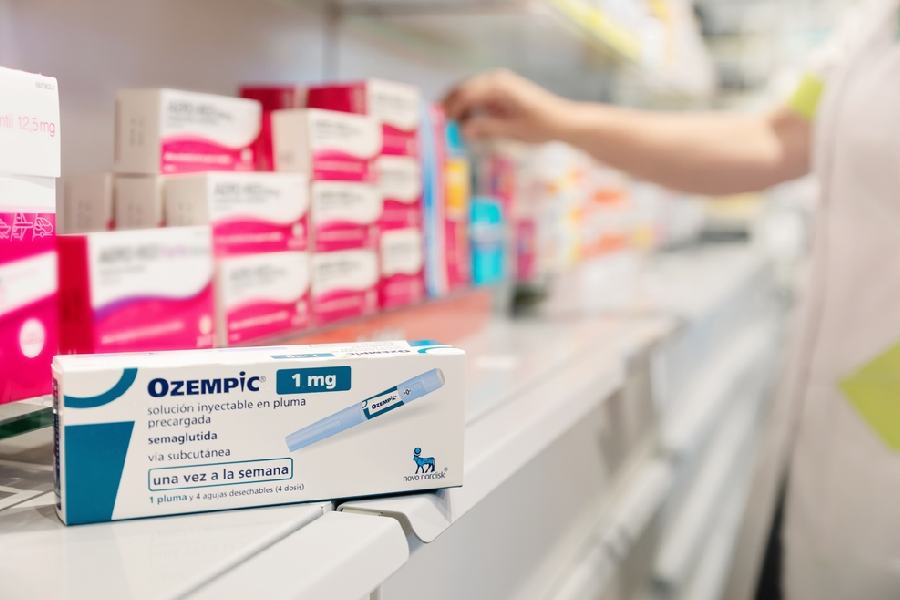
Ozempic, the wonder drug for diabetes that launched a global weight-loss revolution, has finally made it to India, with prices slashed to reach more patients in one of the world’s largest markets for diabetes and weight-loss medicines.
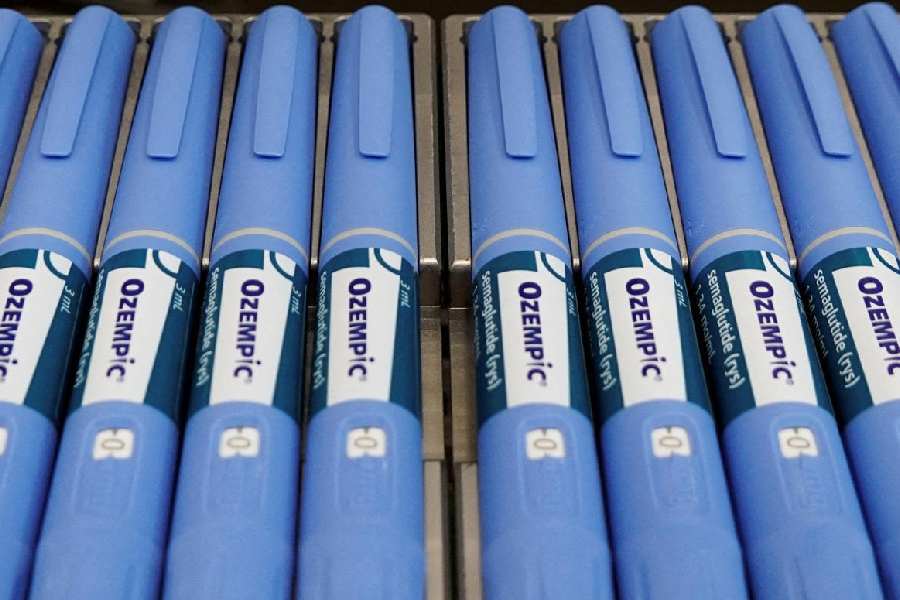
Danish pharmaceutical giant Novo Nordisk, which has been struggling to keep up with booming global demand, is pricing Ozempic at Rs 8,800-Rs 11,175 per month for different strengths of the injectable pen, which contains four weekly doses. In comparison, Ozempic’s US list price ranges from $900-$1,200 (Rs 74,700-Rs 102,000), though patients can get it for around $499 (Rs 41,000) per month and those with insurance may pay as little as $25.
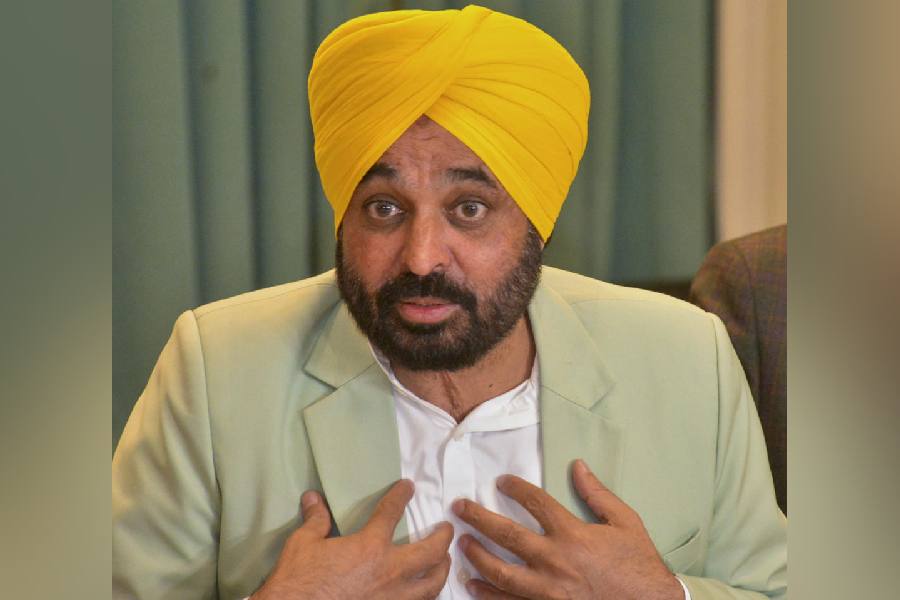
“Bringing Ozempic to India is a major milestone,” says Vikrant Shrotriya, Novo Nordisk India’s managing director, adding that the company’s goal is to provide Indians with an “accessible therapy that offers improved glycaemic control (and) meaningful weight management.”
But even as Ozempic enters India, there is a growing sense globally that Novo may have already lost the obesity drug war to Mounjaro, Eli Lilly’s blockbuster that has become India’s top-selling drug by value in the seven months since its launch. Depending on the weekly dose, Mounjaro costs roughly Rs 14,000-Rs 17,500 per month.
Novo Nordisk has timed its Indian launch to stake out a market position before its final patent expires in March in India and other markets. A host of local pharmaceutical companies, including Sun Pharma, Dr. Reddy’s, Cipla, Lupin and Natco, are expected to launch generic versions of Ozempic from March, which could sharply reduce prices.
India, with a huge number of diabetics and rising obesity rates – about one in four adults is overweight or obese, according to government figures – is expected to be a giant market for Ozempic. One reason Novo held back its launch was uncertainty over supply amid global demand pressures.
Ozempic is based on semaglutide, a molecule that mimics the gut hormone GLP-1, reducing appetite and cravings. Novo Nordisk has now launched two semaglutide-based drugs in India: Dr A. G. Unnikrishnan, chief executive of Chellaram Diabetes Institute, noted that Novo's Wegovy introduced in June “is prescribed for weight loss and Ozempic for diabetes control.” Wegovy retails at Rs 10,850-Rs 16,400 per month, depending on dosage.
Though both contain semaglutide, the drugs serve different purposes. Ozempic, at lower weekly doses, is aimed at blood sugar control with modest weight loss as a secondary benefit. Wegovy, at higher doses, maximises appetite suppression, producing 15-20 per cent average weight loss in trials. Ozempic is gradually increased for blood sugar control, while Wegovy is ramped up to curb hunger and achieve substantial weight reduction.
Novo faces stiff competition from Eli Lilly, whose Mounjaro (tirzepatide) targets both GLP-1 and GIP receptors, producing more dramatic results. In obesity trials, Mounjaro led to 21-22 per cent weight loss, with a significant subset losing around 25 per cent over 68-72 weeks. Lilly’s retatrutide, still in Phase 3 trials, recently reported 28.7-per cent average weight loss after 68 weeks.
Novo's Shrotriya emphasised the health focus of Ozempic, saying, “Many people want to take this drug for cosmetic reasons. But that is not the reason why doctors prescribe it. Doctors prescribe it for the health benefits. In diabetes, taking this medicine, the goal is health.” However, it is widely acknowledged that many non-diabetic patients take Ozempic for weight loss.
Analysts say 2026 will be a decisive year for GLP-1 drugs in India after cheaper semaglutide generics are launched post-March, expanding access. Yet Eli Lilly’s patent-protected tirzepatide gives it a near-monopoly on the most powerful weight-loss option for the next decade. Analysts say Novo will have to work hard to get doctors to prescribe Ozempic, alongside pricing cuts and managing supply, not to be overtaken.