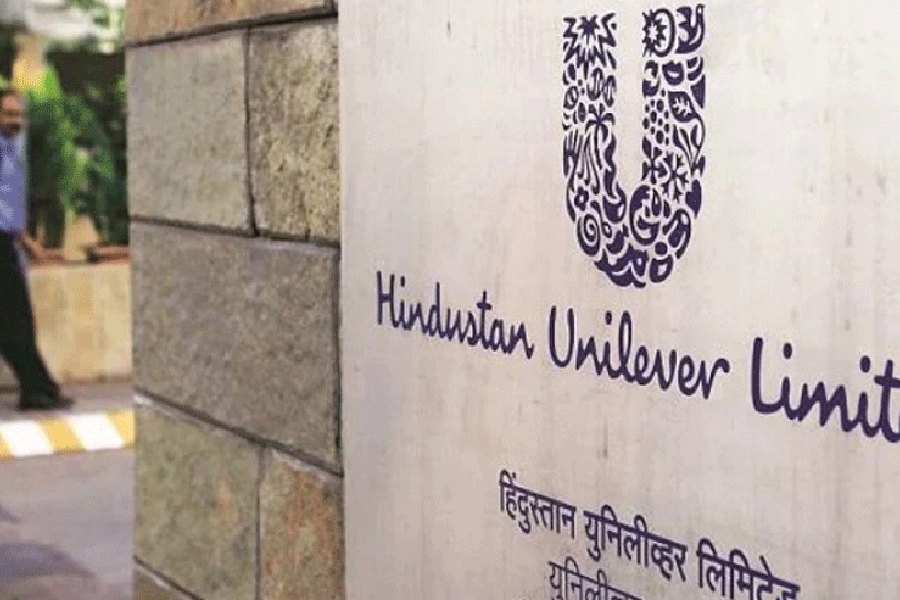
FMCG giant Hindustan Unilever Ltd (HUL) reported a 20 per cent gain in net profit for the quarter ended March 31, on the back of a one-time gain from the divestment of stake in Nutritionalab to ₹3,002 crore, even as the company cautioned that volatility led by the West Asia war raised the risk of fresh cost pressures and supply disruptions.
PAT before the exceptional items grew by 4 per cent year-on-year to ₹2,711 crore on the back of a consolidated revenue growth of 8 per cent to ₹16,207 crore, while it reported an underlying volume growth of 6 per cent, a keenly observed metric in the FMCG business.
For the fiscal year FY26, turnover stood at ₹63,763 crore, growing 5 per cent on the back of a 4 per cent volume growth. Profit for the year came at ₹10,652 crore, marginally down from FY25 when it reported a profit of ₹10,680 crore.
Commenting on the results, Priya Nair, CEO of HUL, said the company witnessed an improved demand environment driven by supportive macro-economic policies.
However, the tailwind appeared to be temporary due to the Iran war, with oil prices hitting a high since 2022 and the Indian rupee weakening to its lowest, breaching 95 to a US dollar.
“We are navigating these headwinds through disciplined savings, the resilience of our global and local supply chain and calibrated pricing actions,” Nair said.
Analyst Abneesh Roy with Nuvama Institutional Securities described HUL’s results as ‘decent’. “HUL 6 per cent volume growth is at a 15-quarter high, while 7 per cent sales growth is at an 11-quarters high, which is decent and (slightly ahead of initial expectations of 4-5 per cent but in line with market expectations),” Roy said, adding other FMCG companies such as Nestle, Varun Beverages and Bajaj Consumers have done well too.
Eveready PAT
Eveready Industries has reported a consolidated profit after tax (PAT) of ₹141.8 crore for the fourth quarter of FY26 compared with ₹10.4 crore in the year-ago period.