Book name- THE LIVER DOCTOR: STORIES OF LOVE, LOSS AND REGENERATION
Author- Cyriac Abby Philips
Published by- Harper, Price- Rs 399
Medicine has always produced compelling storytellers. From the reflective compassion of Atul Gawande in Complications and Being Mortal to the diagnostic mysteries of Oliver Sacks and the intimate clinical narratives of Siddhartha Mukherjee, some of the finest medical writing uses individual lives to illuminate larger truths about illness, society, and the limits of human certainty. Cyriac Abby Philips's book belongs to this tradition, but it is also unmistakably a book of contemporary India. Part memoir, part medical casebook, and part public-health intervention, it explores the fragile boundary between trust and evidence in a country where traditional remedies and modern medicine often coexist.
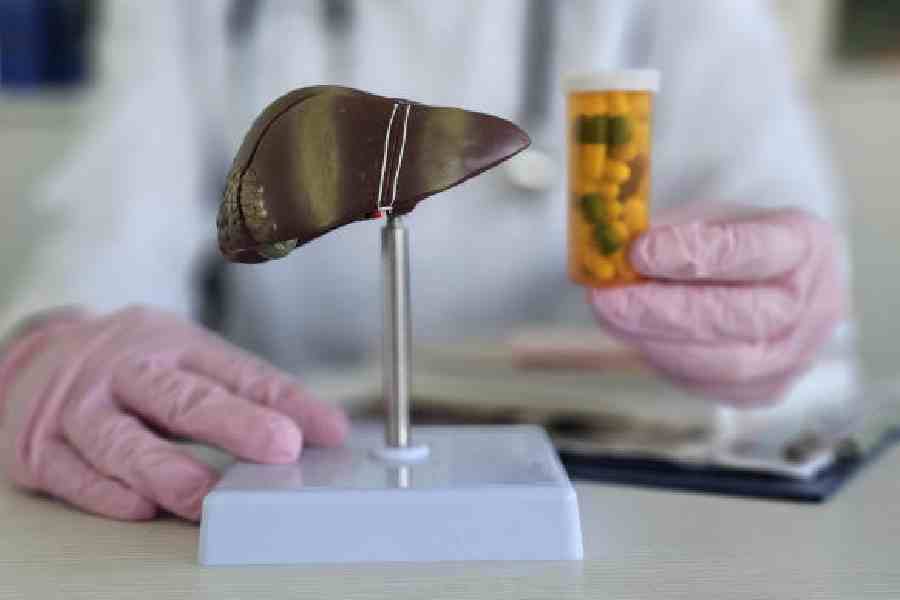
Philips is a hepatologist who spends his days treating diseases of the liver. Many readers may know him from social media where he has become one of the most vocal critics of unregulated herbal medicines and dubious health claims.
The patients who populate these pages arrive from different regions, classes, and circumstances but their stories often follow a tragically familiar trajectory. A liver begins to fail. Doctors search for explanations. Somewhere in the patient's history lies a herbal preparation, a traditional remedy, a supplement, or an alternative treatment consumed alongside prescribed medicines. Sometimes it was recommended by a relative; sometimes by a neighbour, a healer, or a persuasive advertisement. Often it was taken with the best of intentions. But what follows is a slow and painful confrontation with consequences that few anticipated.
What elevates the book above a simple catalogue of medical errors is Philips's deep empathy for his patients. He never reduces them to cautionary tales. Instead, he carefully reconstructs the fears, hopes, and cultural assumptions that shaped their decisions.
The broader political and cultural contexts give the book much of its urgency. Philips writes against a backdrop of growing State endorsement of traditional medicine, the commercialisation of wellness, and the pandemic-era proliferation of remedies promoted with little supporting evidence. Throughout, he argues not for the rejection of cultural traditions but for accountability. If a substance is marketed as medicine, it should be held to the same evidentiary standards regardless of whether it originates in a pharmaceutical laboratory or an ancient text.
Stylistically, The Liver Doctor is less literary than Mukherjee's The Emperor of All Maladies and less philosophically expansive than Gawande's Being Mortal but it compensates with its immediacy and moral conviction. Its strongest passages derive their force from restraint. Philips allows clinical realities to speak for themselves, and some of the book's most devastating moments emerge from ordinary conversations among doctors, patients, and families facing irreversible outcomes.
The Liver Doctor is a compassionate, unsettling, and deeply necessary book that asks difficult questions about medicine, culture, and accountability in contemporary India.