Iran's Defence Council threatened Monday to deploy naval mines across the "entire Persian Gulf" if a land invasion happens. The council issued the statement as concern in Tehran grows about the potential arrival of US Marines to the region.
"Any attempt to attack Iran's coasts or islands will cause all access routes in the Gulf (...) to be mined with various types of sea mines, including floating mines that can be released from the coast," the statement read.
"In this case, the entire Gulf will practically be in a situation similar to the Strait of Hormuz for a long time (...) One should not forget the failure of more than 100 minesweepers in the 1980s in removing a few sea mines."
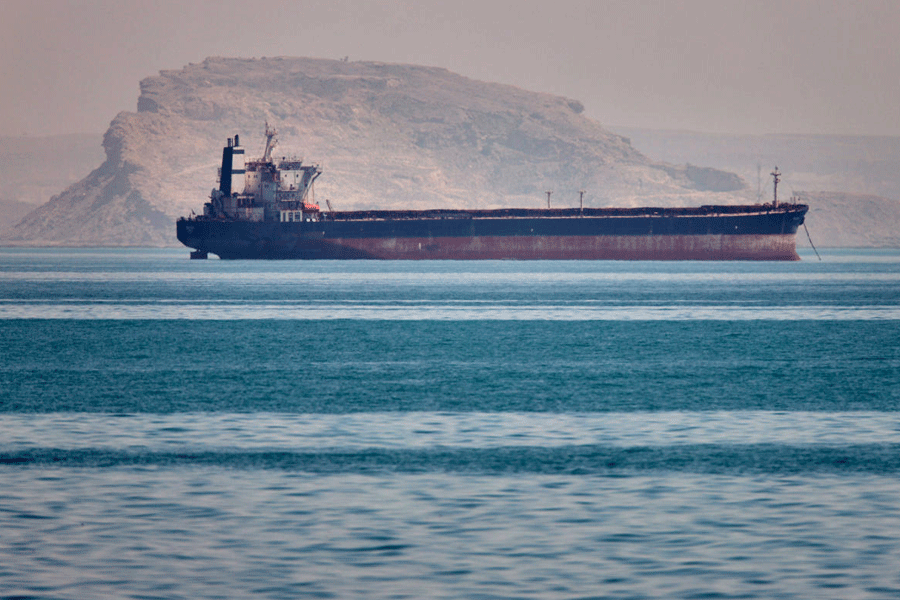
The defence council said that non-belligerent states can only pass through the Strait of Hormuz by coordinating passage with Iran.
The US has been trying to reopen the Strait of Hormuz, the narrow mouth of the Persian Gulf, to energy shipments. The Marines could come ashore to seize either islands or territory in Iran to support that mission. Israel also has suggested a ground operation could take part in the war.
Kharg island is believed to be a prime target.
China’s warning
Beijing on Monday urged all parties involved in the Middle East conflict affecting the Strait of Hormuz to end military operations to prevent a "vicious cycle" and return to negotiations.
"Should hostilities continue to escalate and the situation deteriorate further, the entire region will be plunged into chaos," Chinese foreign ministry spokesperson Lin Jian said responding to a question about US President Donald Trump pressuring Iran to reopen the key shipping waterway.
"The use of force will only lead to a vicious cycle," Jian said, adding that the war should not have begun in the first place.
CentCom confident
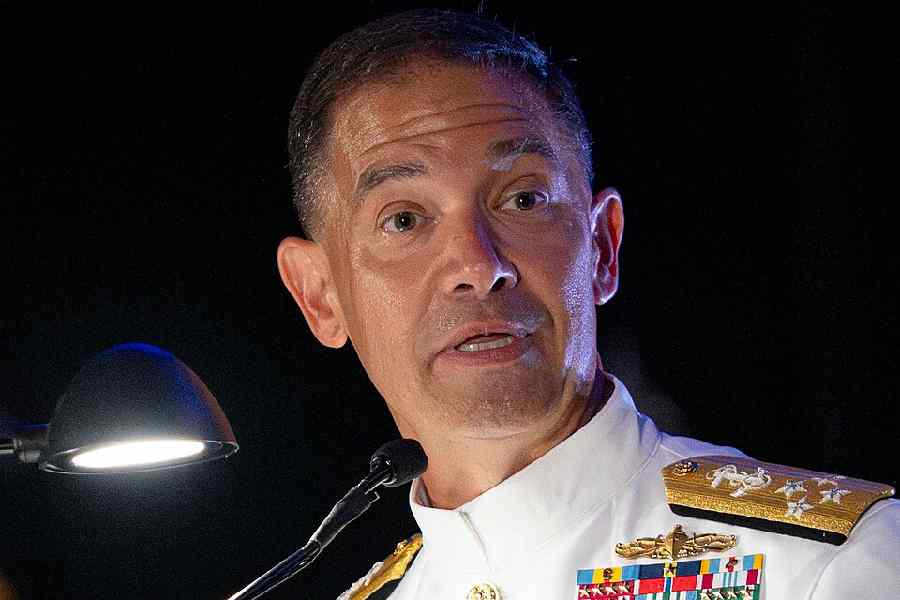
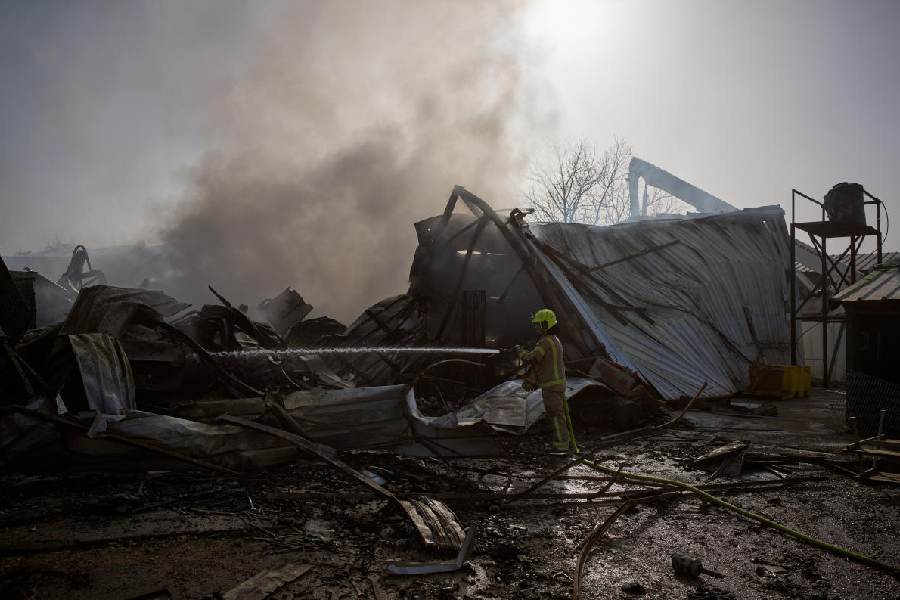
The top commander of the US military's Central Command said the campaign against Iran is "ahead or on plan," as the Israeli military began what it called "a wide-scale wave of strikes targeting Iranian terror regime infrastructure" early Monday.
US Navy Admiral Brad Cooper gave his first one-on-one interview of the war to the Farsi-language satellite network Iran International, which aired it early Monday.