Friday, 26 June 2026
Friday, 26 June 2026
Friday, 26 June 2026
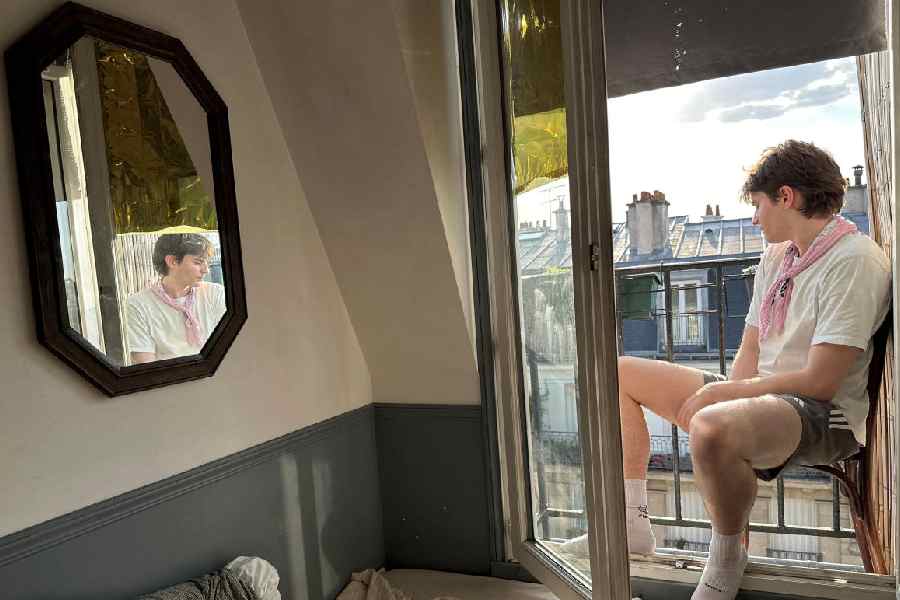
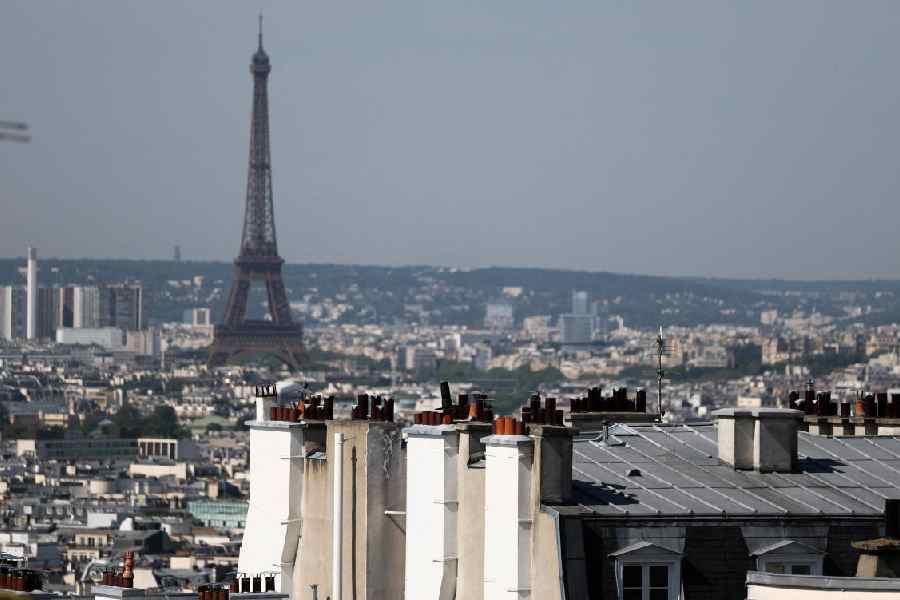
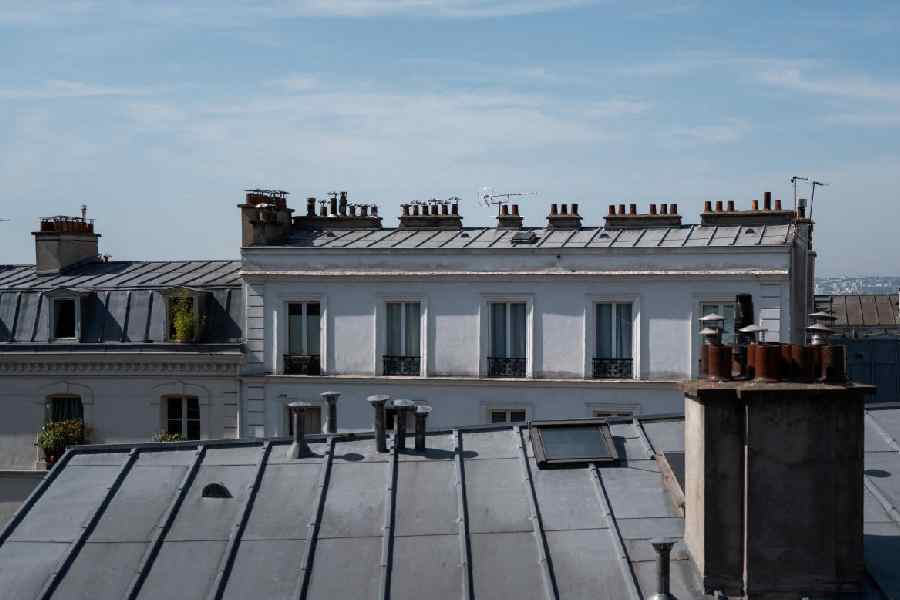
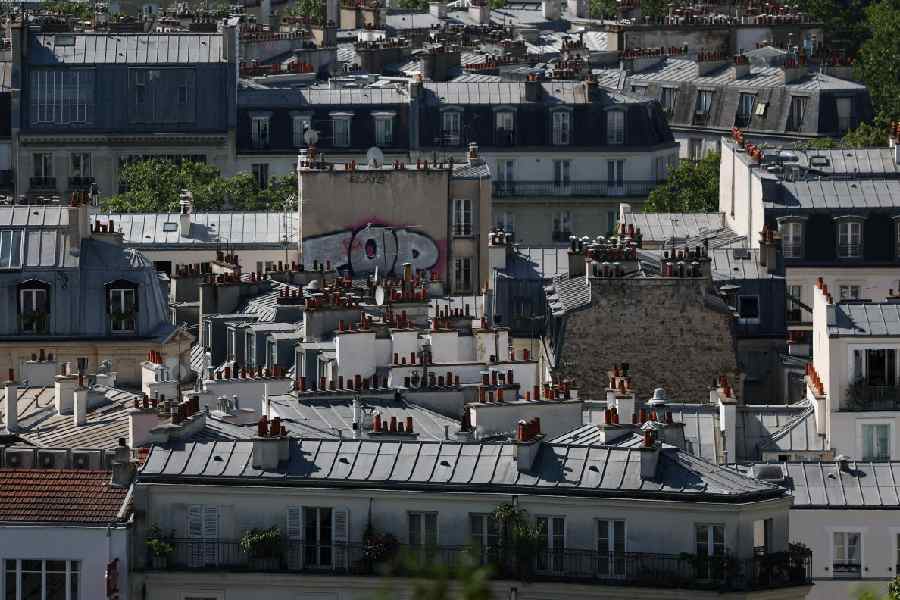
Bars of soap have melted and pressure in wine bottles has started pushing out the corks in Ulysse Zachary's attic flat beneath the zinc rooftops of Paris, where the 21-year-old sleeps under wet towels to cope with a record-breaking heatwave.
The 9-square-metre (97-square-foot) apartment becomes "an oven" after a few hours of sunshine, he said, highlighting the challenge for residents of Paris and London as rising temperatures expose the shortfalls of homes built to retain rather than deflect heat.
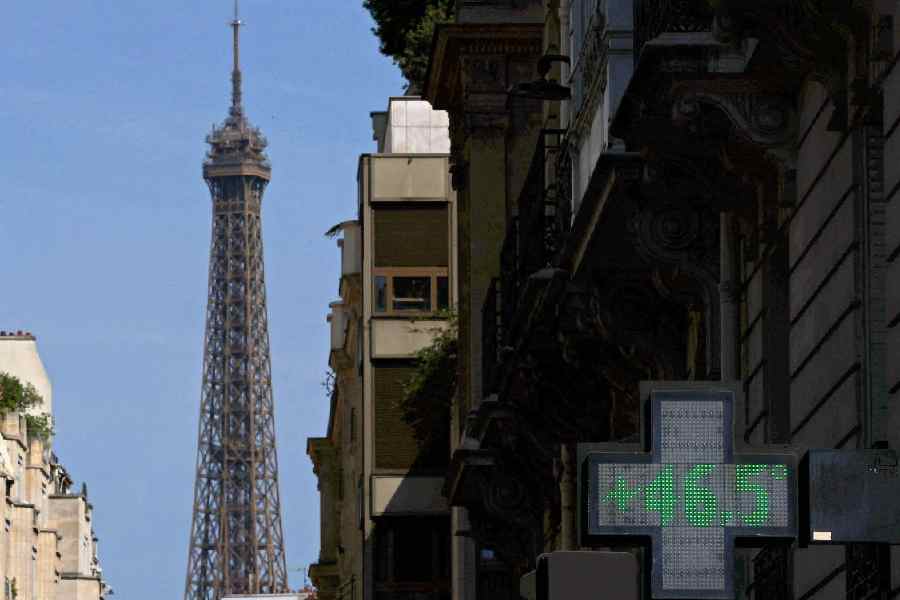
Western Europe is in the grip of a heatwave that has claimed dozens of lives, disrupted power supplies and shut schools and tourist attractions.
As global warming makes extreme weather more likely and temperatures in Europe are rising far faster than on other continents, Paris hit a June record of 40.9 degrees Celsius (105.6 degrees Fahrenheit) on Wednesday. Britain logged its highest temperature for June on Thursday: 36.7 C (98.06 F) in south west England.
No easy answer for governments
Governments meanwhile have no quick solutions to adapting ageing housing stock when budgets are tight and the problems are complex. Installing air conditioning divides opinion, as the extra energy use can add to the problem of a warming world and the strain on the power grid.
Zachary said he was putting on damp clothes and sitting in front of his fan to try to cool down, but the best solution was to go outside and even then, the heat has been searing.
For the economy as well as on the broadest human level that is bad news.
"When you're tired and you're hot, you feel miserable, you can't work. I've had a hard time focusing at work," said Zachary, who is doing an internship in digital marketing.
Analysis published this week from the Mayor of London found 1 million London homes could be at risk of overheating, with implications for health, energy use and productivity.
Only about a quarter of European households have air conditioning, compared with about 90% in the United States and Japan, said Stefanos Pallantzas, a civil engineer and head of the Athens-based Hellenic Institute of Passive Building.
Greece, always one of the hottest parts of Europe, has cooling systems in about half, he said, but many homes in Athens lack modern ventilation systems, and widespread use of air conditioning, which releases waste heat outdoors, can exacerbate the urban heat island effect.
Stop the heat getting in
Anna Mavrogianni, Professor of Sustainable, Healthy and Equitable Built Environment at University College London's Institute for Environmental Design and Engineering, said many European homes being built were still designed primarily to retain heat in winter.
While it is likely, scientists say, that climate change can also mean harsher winters, the extra thermal insulation to help trap heat in winter is unwelcome in torrid summers.
Mavrogianni urged the use of external shutters, better ventilation, reflective surfaces, urban greening and improved building design to help buildings stay cool.
The simplest measure is to reduce the amount of direct sunlight entering windows through external shading like roof overhangs, recessed balconies or shutters.
"This is much more effective than trying to remove the heat after it has built up indoors," she said. Eleonore Caroit, French Minister Delegate for Francophonie, International Partnerships and French Nationals Abroad, said very stressful events, such as Europe is experiencing, tempted people to seek short-term solutions.
"There's no question that you need AC in hospitals or in some public places, but having every single Parisian inhabitant to buy his own AC would not solve the problem, it would actually increase it," she said on the sidelines of London Climate Action Week.
Travel conundrum
The London week of activities to push forward efforts to address climate change took place in temperatures that disrupted train travel and meant some venues were too hot for events to go ahead.
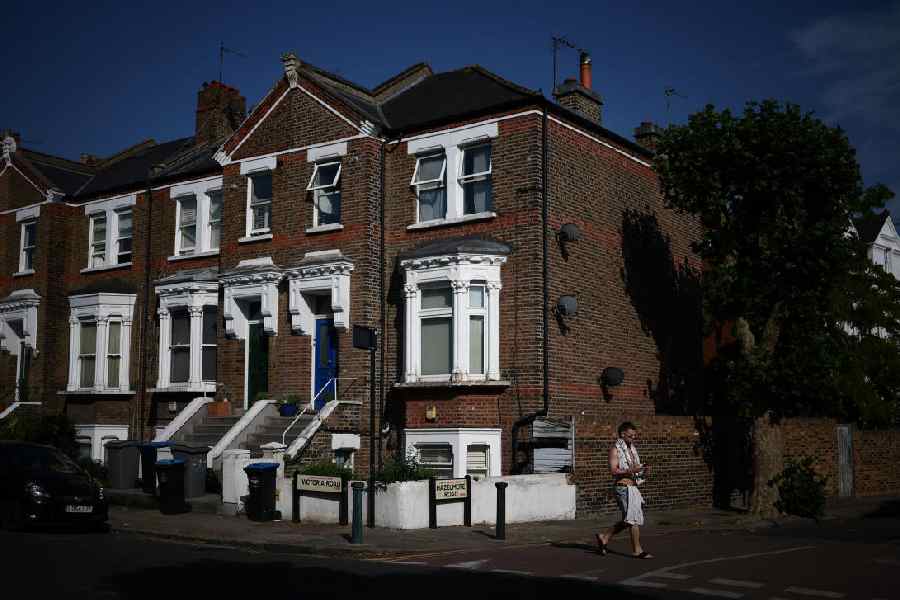
Oliver Horrocks, 27, is among those sweltering in homes built in the decades after the industrial revolution that began the extensive burning of fossil fuels blamed for human-induced warming .
Horrocks shares one of London's many Victorian houses with his girlfriend and another couple, and he faced the dilemma of whether to brave hot public transport to get to an air conditioned office or work at home. Every decision felt like the wrong one.
Horrocks opted for his hot sticky kitchen using a fan.
"I do wish I had gone into the office today. It's been tough," he said.
Like many Britons, he is convinced other countries are better adapted to extreme weather.
"I definitely don't think that we're set up in this country properly to deal with it, and that's also reflected in the housing," he said.
Spain is among the countries with long experience of heat.
Eugenia del Río of Madrid's architects' association said Germany, France and Britain could learn from Spanish architecture, which has historically relied on passive cooling: light-coloured facades that reflect solar radiation, thick walls that slow heat transfer, smaller shaded windows with shutters, and layouts that promote cross-ventilation.
"The buildings that work best are the ones that stop the heat getting in to begin with — before you even think about air conditioning," she said.
Emmanuel Desmaizieres, chief executive of French builder Bouygues Immobilier, said cities would need more trees, water features and shaded buildings to remain liveable in heatwaves.
He said he would not dogmatically rule out air conditioning that in some cases is essential, but he added there was "a wide range of solutions for cooling homes".
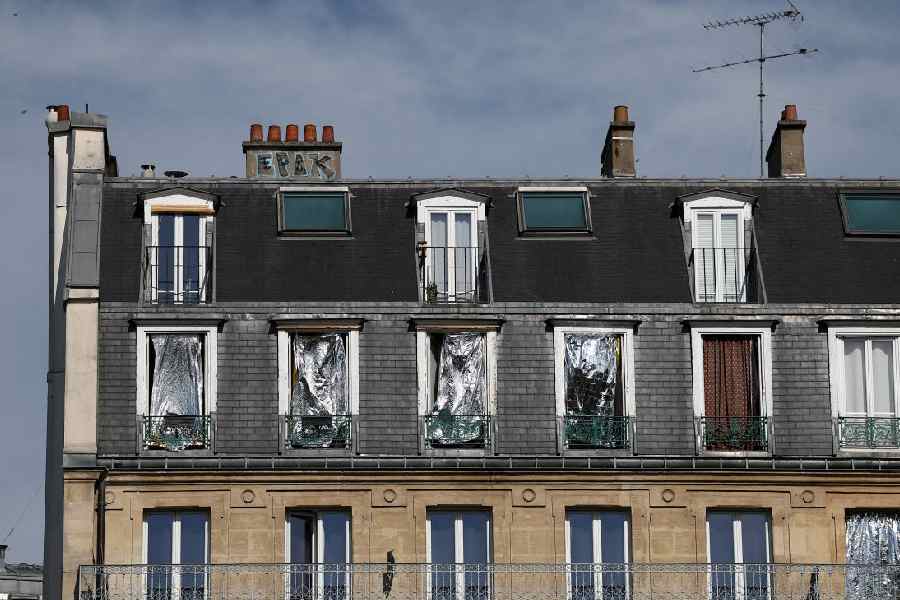
Back in his attic flat, Zachary has started covering his windows with aluminium foil after seeing online videos recommending it as a way to reflect heat.
"I don't have enough foil, so it covers about a quarter of the windows," he said. "Well, maybe I'll get some more later, see if that works."