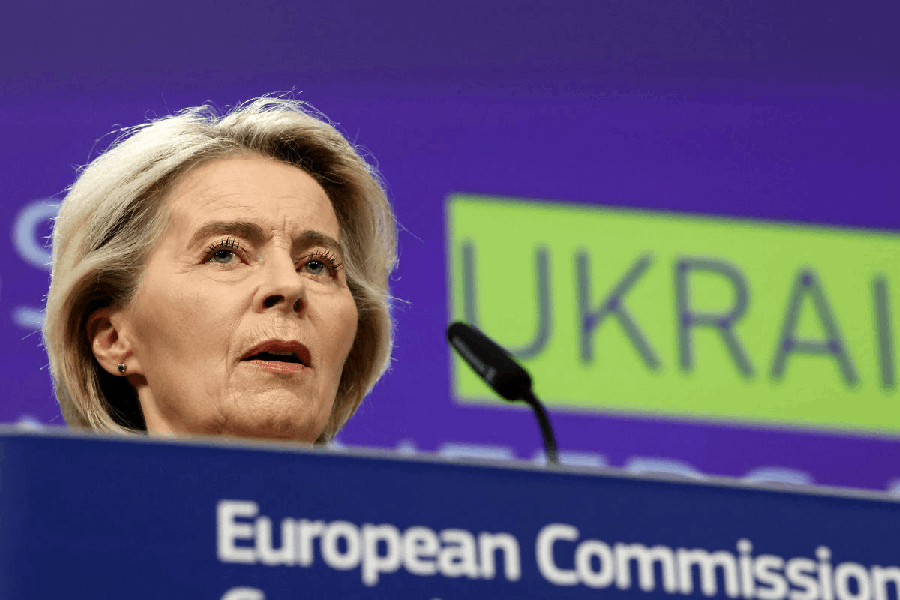
The European Commission outlined plans on Wednesday to make the European Union more resilient to threats such as rare earth supply crunches by improving existing trade measures and using new defences to bolster economic security.
The EU executive set out what it called an "economic security doctrine" for the 27-nation bloc, which is contending with US tariffs and Chinese restrictions that have choked supplies of essential rare earths and chips.
The bloc wants to remain a global manufacturing leader, but risks being left behind by China and the United States in new technologies, such as batteries and AI.
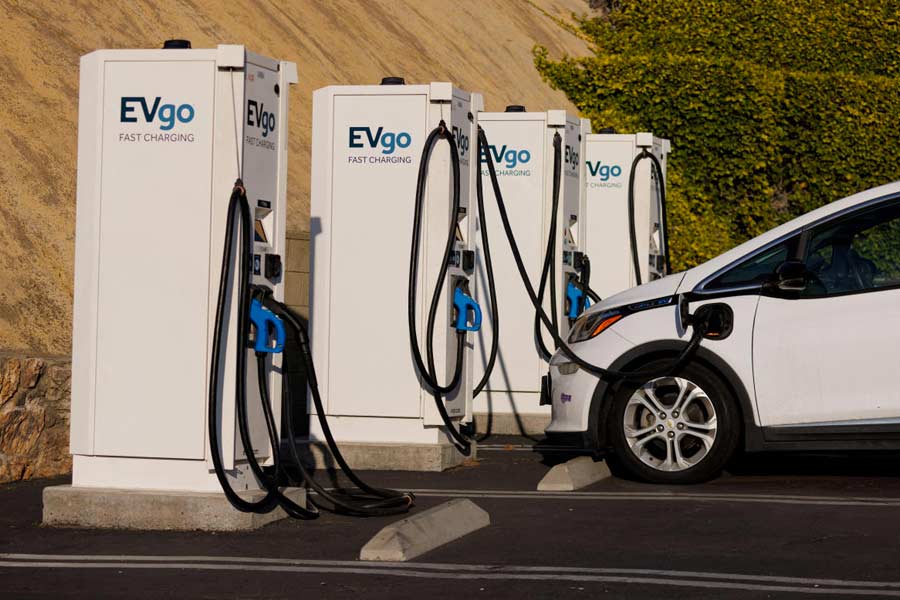
The Commission wants to coordinate more closely with EU members and business to review EU supply chains, rules on inbound investment, its defence and space sectors, and its strength in new technologies and critical infrastructure.
"We want to move from reacting to reshaping our policies," Trade Commissioner Maros Sefcovic said. "We are starting the process ... because we have been tested a lot this year, and I don't think it's going to stop on the first of January."
Sefcovic said the Commission would look by the third quarter of 2026 into how to speed up implementation of existing trade measures, such as anti-dumping and anti-subsidy duties, which currently can be used only after year-long investigations.
New measures might be designed to counter unfair trade and market distortions, including overcapacity, to encourage firms in high-risk sectors to have more than one supplier and to set a preference that EU-based companies are used in public tenders for work in strategic sectors.
The EU would also prioritise support for EU businesses that were reducing foreign dependencies in critical sectors or technologies, prevent "high-risk entities" benefiting from EU funds and strengthen inbound investment screening.
Sefcovic said the EU would likely take some lessons from Japan, which responded to China suspending rare earth exports in 2010 over a territorial dispute by diversifying, recycling more, building reserves and forging partnerships.
Commission Vice President Stephane Sejourne said the EU could make some diversification measures mandatory.
"For reasons of economic security, European companies - just like Japanese and U.S. companies, or indeed, Indian - need to stop buying 100% Chinese," he said.