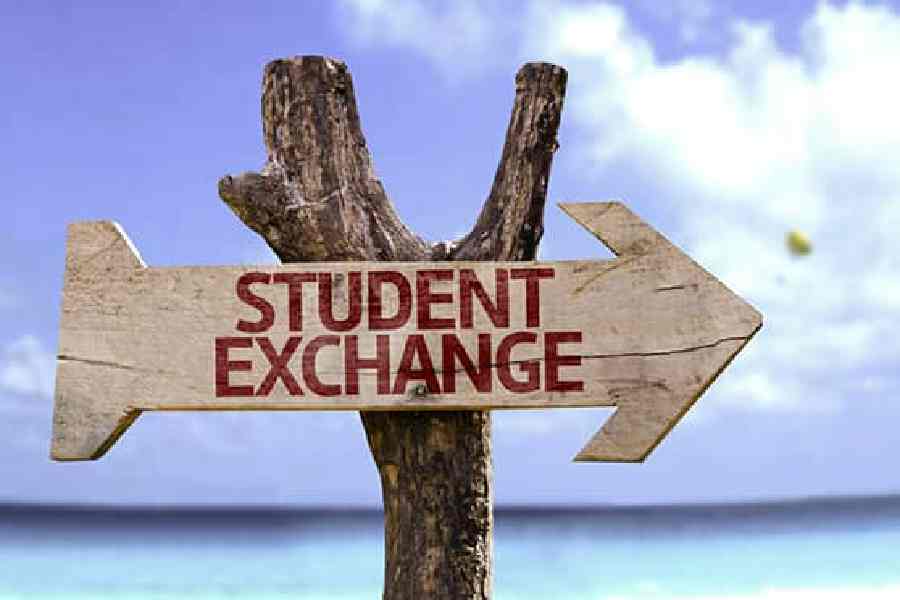
Britain is rejoining a Europewide student exchange programme that it abandoned to the disappointment of many young Europeans in the fractious aftermath of Brexit.
The British government said on Wednesday that it would pay approximately £570 million, to take part in the programme in 2027, adding that longer-term financing remained to be negotiated.
The exchange programme, called Erasmus, began in 1987 and allows young people to study or train for a year at colleges across Europe while paying the same fees they would at home. As well as offering students the chance to live in a foreign country, with all the personal and language development that entails, it also had broader impacts — including, according to a European Commission study, a million babies born to participants who met their partners while on the programme.
But in the years after Britons voted in a 2016 referendum to leave the European Union, the programme became a casualty of the increasingly fraught relations between London and Brussels. In 2020, Boris Johnson, a Brexit supporter and then the Conservative Prime Minister, pulled Britain out of Erasmus and set up a different exchange programme not restricted to Europe.
On Wednesday, the Labour government said it was reversing that decision, a sign of progress in Prime Minister Keir Starmer’s attempt to reset relations with Brussels, which has proved more difficult in other areas.
But the British government said on Wednesday that more than 100,000 people in Britain could benefit from the programme in the first year and that studying abroad could improve the career prospects of participants, especially those from disadvantaged backgrounds.
Under Starmer, the British government has been trying to work more closely with the European Union. Opinion polls show that a majority of Britons now view Brexit as more of a failure than a success.
New York Times News Service