Iran's supreme leader said Thursday that the Islamic Republic will protect its "nuclear and missile capabilities" as a national asset, even as US President Donald Trump tries to get a deal on those issues.
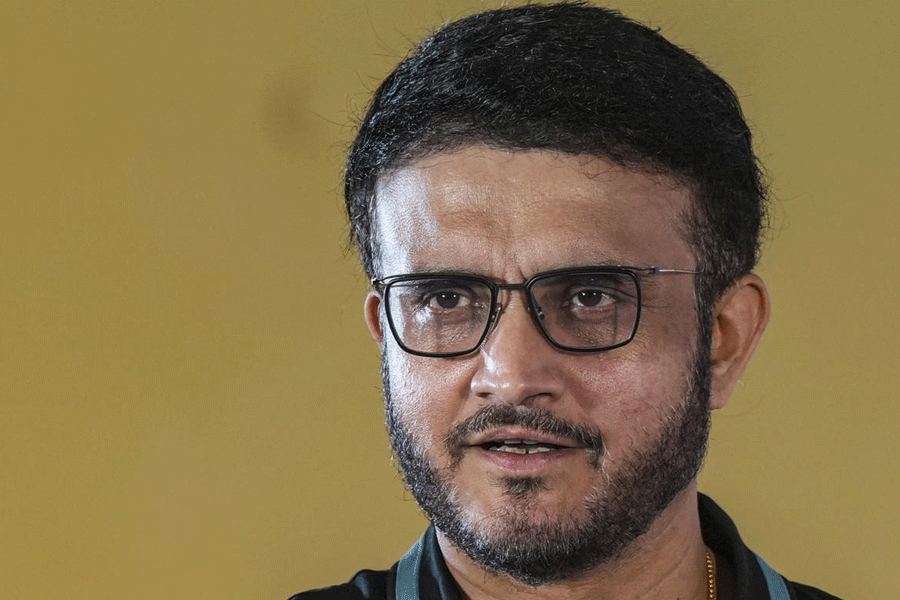
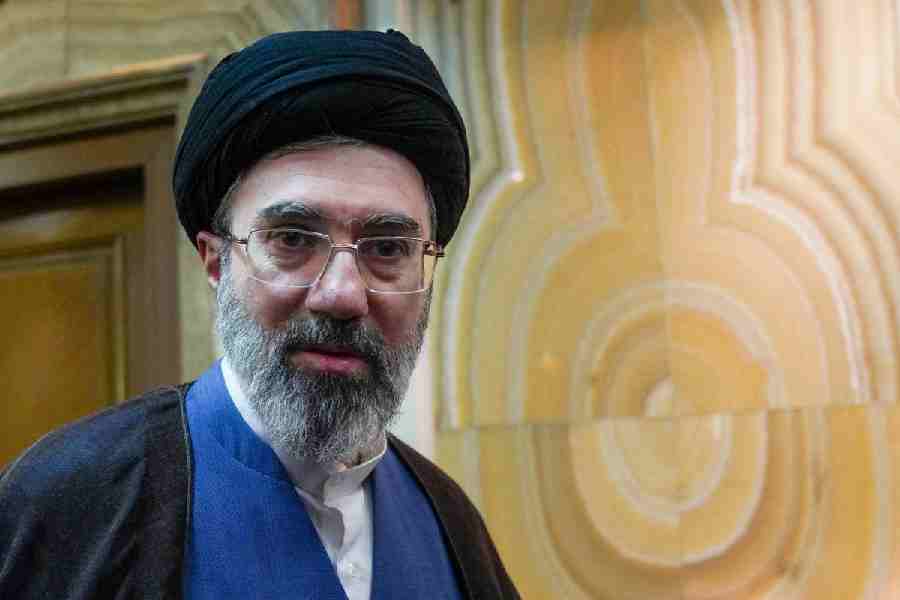
Ayatollah Mojtaba Khamenei spoke in a written statement read aloud on Iranian state television, as he has since he took over after the February 28 airstrike that killed his 86-year-old father, Ayatollah Ali Khamenei.
"Ninety million proud and honourable Iranians inside and outside the country regard all of Iran's identity-based, spiritual, human, scientific, industrial and technological capacities - from nanotechnology and biotechnology to nuclear and missile capabilities - as national assets, and will protect them just as they protect the country's waters, land and airspace," Khamenei said.
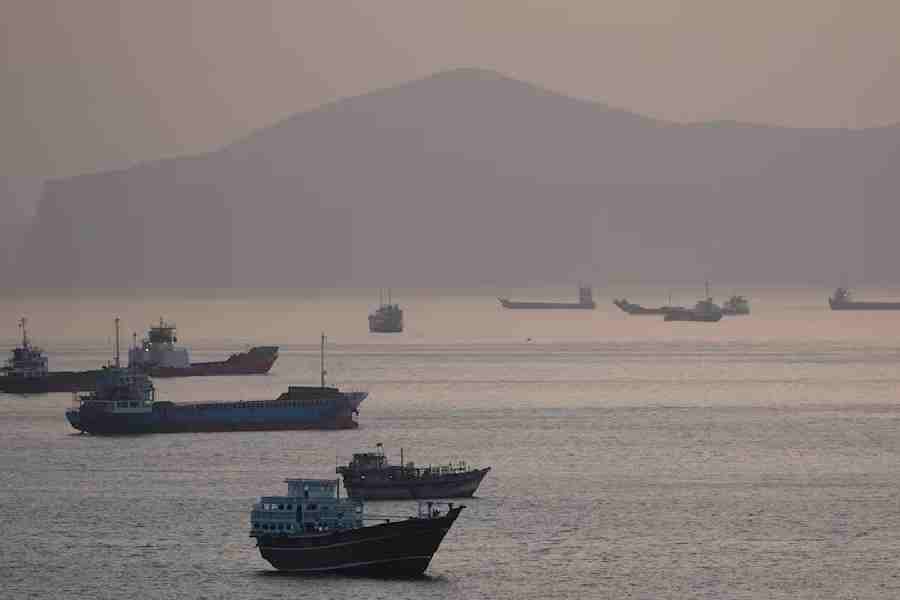
The supreme leader said the only place Americans belong in the Persian Gulf is "at the bottom of its waters," as the Strait of Hormuz remains in Tehran's chokehold.
"By God's help and power, the bright future of the Persian Gulf region will be a future without America, one serving the progress, comfort and prosperity of its people," Khamenei said in the statement.
"We and our neighbours across the waters of the Persian Gulf and the (Gulf) of Oman share a common destiny. Foreigners who come from thousands of kilometers away to act with greed and malice there have no place in it - except at the bottom of its waters."
Ceasefire shaken as strait choked off
With a fragile ceasefire in place, the US and Iran are locked in a standoff over the strait. The US blockade is designed to prevent Iran from selling its oil, depriving it of crucial revenue while also potentially creating a situation where Tehran has to shut off production because it has nowhere to store oil.
The strait's closure, meanwhile, has put pressure on Trump, as oil and gasoline prices have skyrocketed ahead of crucial midterm elections, and it has pressured his Gulf allies, which use the waterway to export their oil and gas.
A recent Iranian proposal would push negotiations on the country's nuclear program to a later date. Trump said one of the major reasons he went to war was to deny Iran the ability to develop nuclear weapons.
Iran long has maintained its program is peaceful, though it enriched uranium at near-weapons-grade levels of 60 pr cent.
Speaking to mark Persian Gulf Day in Iran, Khamenei's remarks signalled that nuclear issues and Iran's ballistic missile programme wouldn't be traded away.
"Ninety million proud and honourable Iranians inside and outside the country regard all of Iran's identity-based, spiritual, human, scientific, industrial and technological capacities - from nanotechnology and biotechnology to nuclear and missile capabilities - as national assets, and will protect them just as they protect the country's waters, land and airspace," Khamenei said.
He referred to America as the "Great Satan", a long hurled insult by Iranian leaders toward the US since the 1979 Islamic Revolution.
Khamenei signals strait will remain shut
In his remarks, Khamenei seemed to signal Iran would maintain its control over the waterway, which sits in the territorial waters of Iran and Oman. Iran had been charging some ships reportedly $2 million apiece to travel through the strait.
"Islamic Iran, by giving practical thanks for the blessing of exercising control over the Strait of Hormuz, will make the Persian Gulf region secure and put an end to the hostile enemy's abuses of this waterway," Khamenei said.
"The legal rules and new management of the Strait of Hormuz will bring comfort and progress for the benefit of all the region's nations, and its economic gains will gladden the hearts of the people."
However, the world considered the strait an international waterway, open to all without paying tolls. Gulf Arab nations, chief among them the United Arab Emirates, have decried Iran's control of the strait as akin to piracy.