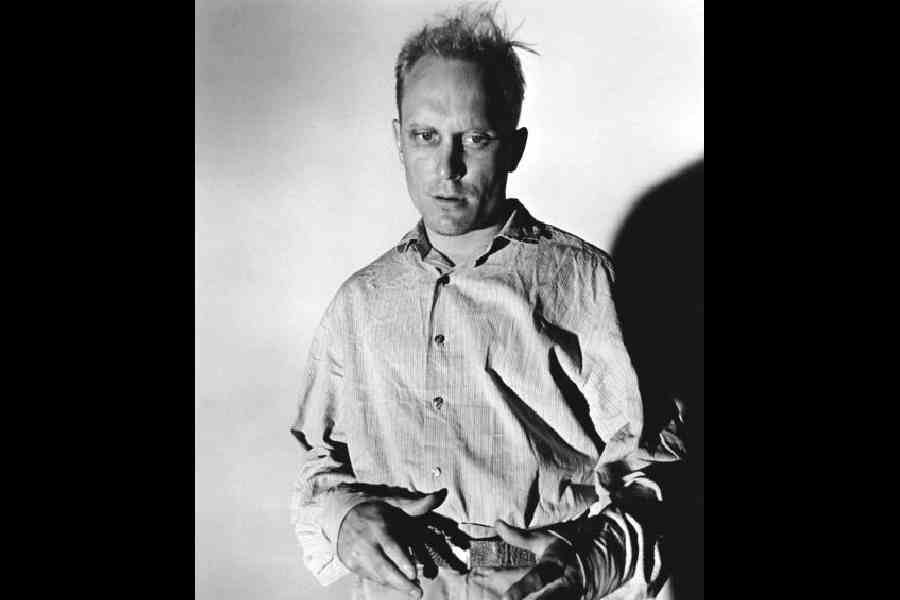
Actor Robert Duvall died on February 15 at his home in Middleburg, Virginia. He was 95. In a career spanning seven decades, Duvall built a solid body of work, defined by depth and dependability. Here are 12 performances that have stayed with us.
To Kill a Mockingbird (1962)
In his screen debut, Robert Duvall played the reclusive Boo Radley, a role with no dialogue and only a fleeting appearance. Yet his presence is among the film’s most haunting elements. Duvall played the role with stillness, all silence and large, soft, blinking eyes, and the character’s vulnerability and gentleness shine through his posture and expression. The role and its execution are also a demonstration of Duvall’s ability to allow silence speak, an ability to communicate with minimal gestures. Duvall owned the role and made it clear, from the very beginning, that he did not need words to leave a lasting impression.
M*A*S*H (1970)
Duvall played the role of Major Frank Burns, a rigid, humourless foil to the film’s irreverent surgeons. His Burns is played with a brittle self-righteousness that makes him both comical and unsettling, while also resisting caricature, and grounding the character in a believable moral rigidity that clashes with the chaos of conflict around him. Duvall’s performance gave the satire of the story sharper edges, and highlighted the absurdity of war through the character’s inability to adapt. By essaying Burns with conviction, he also ensured the audience saw him as a reminder of the dangers of blind authority, rather than simply a punchline.
THX 1138 (1971)
George Lucas’s first film is a strange, cold vision of the future where people have numbers instead of names and are kept drugged and obedient by the state. Duvall plays THX 1138, a man who slowly starts to wake up and feel things again: love, fear, the desire for freedom. With a shaved head and a white uniform, he has almost nothing to hide behind. What one watches on the screen is, quite simply, a human coming back to life. It is, in many ways, a hard film to warm to, but Duvall is the reason why it stays with one, his portrayal reminding viewers of the resilience and strength of the human spirit.
The Godfather (1972)
The Godfather series is known for its powerhouse performances; there are big names present in the form of Marlon Brando, Al Pacino, and James Caan. And then there’s Duvall, playing the family’s lawyer and consigliere, the adopted son who can never quite forget he was adopted. Duvall delivered one of the saga’s most controlled performances in his role of Tom Hagen, a character who is thoughtful, observant, and perpetually measuring the minds of people present in a room. There’s restraint in everything about the way Duvall plays the role, but there is also the awareness of a burden that weighs heavily on his shoulders. The character is the steady spine of the Corleone family, indispensable, but never too loud about it, and Duvall plays it with finesse.
The Eagle Has Landed (1976)
This is a World War II thriller about a German plot to kidnap Winston Churchill, and Duvall plays the officer who must bring the plan to fruition. Towering Hollywood names in the form of Michael Caine and Donald Sutherland are also present, and Duvall’s Colonel Radl could easily have been written as a stock antagonist. Instead, he is played as a professional soldier, a man navigating dangerous politics in dangerous times. Duvall gives the character dignity without softening his ideology; his Radl knows the mission is probably impossible and that his superiors will punish him regardless of how it goes. He goes ahead and does it anyway, and that is what makes the film immortal.
Apocalypse Now (1979)
“I love the smell of napalm in the morning.” Even if you’ve never seen the film, you’ve heard that line, and Duvall is the one who says it. Lieutenant Colonel Kilgore is a cavalry officer in Vietnam who orders a helicopter attack on a beach village so his men can surf the waves afterwards. The character ought to be absurd, but instead, it is genuinely frightening, because Duvall plays him as a man who makes complete sense, albeit only to himself. It’s one of the most memorable films in American cinema history, and Duvall is a big reason why; he finds the conviction inside the madness, delivering every line with such calm assurance that you understand how men like Kilgore exist and how easily they can command a battlefield.
Tender Mercies (1983)
Duvall’s Oscar-winning role as Mac Sledge, a has-been country singer, was a career-defining performance, especially considering that the script was rejected by several American directors before finally being accepted. Duvall played Mac as a man seeking redemption through love and faith. His nuanced portrayal captured the fragility of recovery, balancing despair with hope, and his understated delivery and authenticity even led to singing his own songs for the film, further grounding the character in realism. Duvall eschewed all melodrama and created a portrait of resilience that resonated universally. That is perhaps why the film is still remembered today, and Mac Sledge remains one of the most honest depictions of simple humanity portrayed on screen.
Rambling Rose (1991)
Set in the American South in the 1930s, this film is about a warm, well-meaning family whose lives are turned upside down when a young woman named Rose comes to stay with them. Duvall plays the father, a decent man who finds himself more affected by Rose than he’d like to admit. It would be easy to judge the character, but Duvall plays Daddy Hillyer as a good person caught in a very human moment. His performance grounds the film’s exploration of sexuality and repression, and offers a stabilising presence amid emotional turbulence. His ability to convey both sternness and empathy also makes the character more believable, and continues to reflect the complexities of masculinity.
Gone in 60 Seconds (2000)
Duvall plays Otto Halliwell, a veteran car thief who now runs a scrapyard and keeps a watchful eye on the younger crew. He brings a matter-of-fact steadiness to the film’s flashier energy, playing the character as practical and weary, a true mentor who understands both the craft and the cost of it. Duvall underplays every moment, relying on tone and timing rather than punchlines. It’s that restraint that gives the character weight and keeps him from becoming just another genre stereotype, instead making Otto feel like someone who has lived a full life before the film even begins.
True Grit (2010)
In True Grit, Duvall plays outlaw Ned Pepper, a role he made indelible despite limited screen time. He gave Pepper a rough charisma, portraying him as more than a stock villain. Duvall’s Pepper was dangerous yet human, a man hardened by circumstance and long years on the run. He relied on stillness and a steady gaze to convey authority, and his performance added a great deal of texture to the film. By embodying Pepper with grit and authenticity, Duvall ensured the character lingered well beyond his scenes.
Jack Reacher (2012)
Duvall played Martin Cash, a retired Marine who aids Tom Cruise’s Jack Reacher. He brought humour and toughness to the role, portraying Cash as a seasoned marksman with a twinkle of mischief. Duvall’s chemistry with Cruise added levity, grounding the thriller in camaraderie. His performance balanced grit with charm, showing Cash as both mentor and ally. Even in a supporting role, Duvall’s presence elevated the film, reminding audiences of his ability to steal scenes with ease, slipping into the role like a well-worn jacket. Playing opposite Tom Cruise, he balanced humour with understated toughness. Rather than compete for dominance, he complemented the protagonist, offering both camaraderie and moral clarity.
The Pale Blue Eye (2022)
In his cameo as Jean-Pepe, a French occult expert, Duvall brought eccentric texture to the genre of the Gothic mystery. Though brief, his appearance carried theatrical relish. He leaned into the character’s old-world mystique without tipping into parody, delivering his lines with playful gravity. Duvall’s seasoned presence added weight to the film’s more macabre atmosphere. Even in the later stage of his career, he displayed the same commitment to specificity — voice, rhythm, posture — that had always marked his work. His lived-in gravitas made the character memorable, even in limited screen time, and, though brief, his performance carried immense weight.
Which is your favourite Robert Duvall role? Tell t2@abp.in