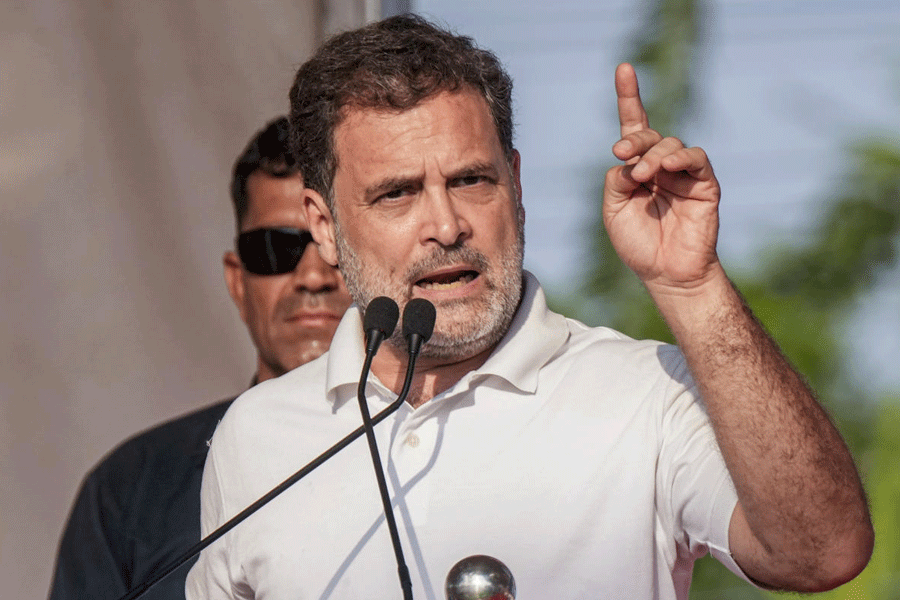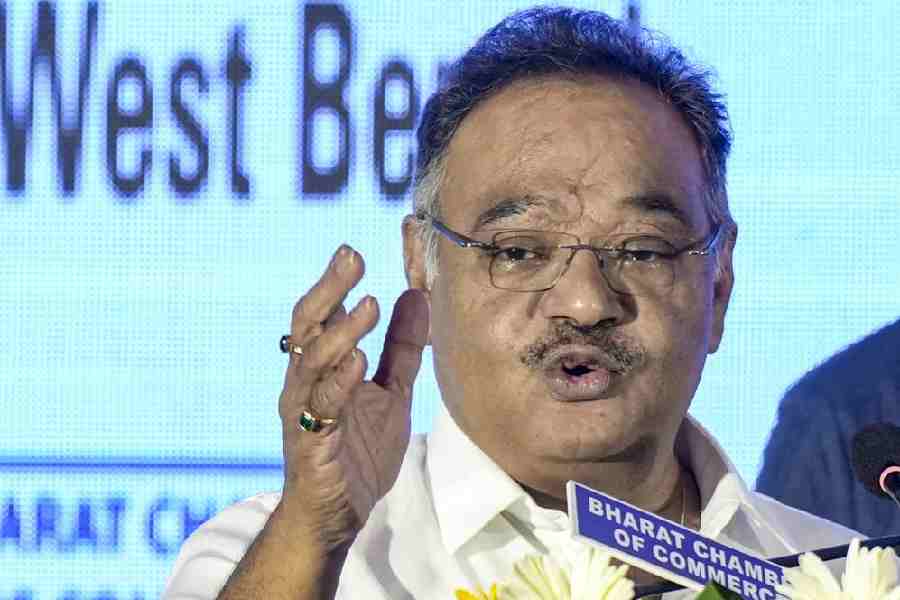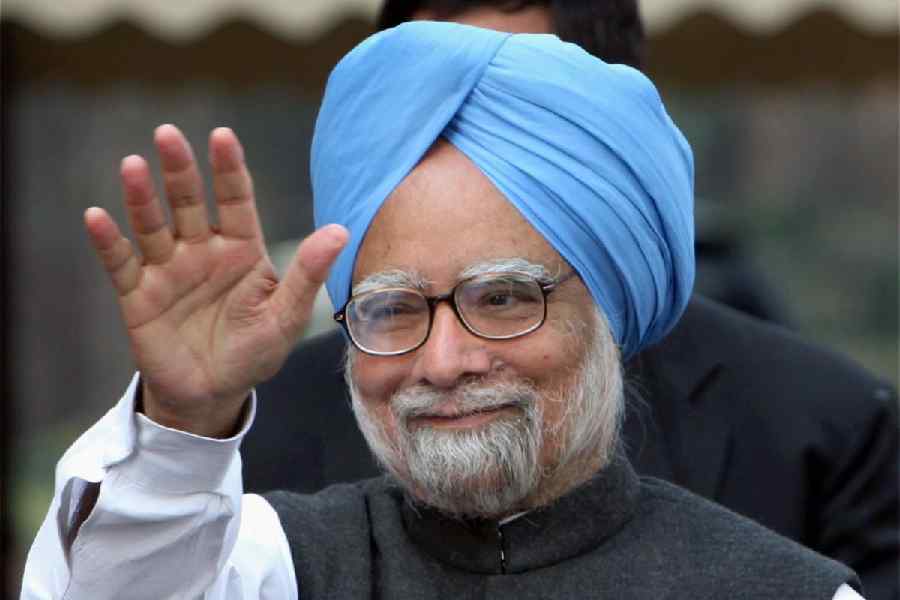
The Uttar Pradesh chief minister Yogi Adityanath, Maharashtra’s deputy chief minister Ajit Pawar were in the queue of politicians to pay tributes to the late prime minister Manmohan Singh on his first death anniversary Friday.
An academician, Manmohan Singh played a key role in shaping India’s economic policies for four decades, starting as a chief economic adviser and moving on the Reserve Bank of India and the defunct Planning Commission, and finally appointed as India’s Union finance minister in one of the most critical moments in the country’s history and steered the economic reforms.
As Prime Minister for a full decade, Singh introduced key policy frameworks which have since been dismantled by the Narendra Modi government in the last 11 years, like the Right to Information Act and the National Rural Employment Guarantee Act.
In his long stint in public life, the soft-spoken Manmohan Singh, was often ridiculed by the opposition and critics for staying silent. When he spoke, he spoke with conviction.
Here are some comments from Singh on issues that remain relevant even at the end of the first quarter of the 21st century.
Speaking to PBS Commanding Heights. 6 February 2001.
Nehru had a grand vision for India
“His vision was to industrialise India, to urbanise India and in the process he hoped that we would create a new society – more rational, more humane, less ridden by caste and religious sentiments. That was the grand vision that Nehru had.”
In a video message on 17 February 2022.
A Prime Minister should not blame history
“I feel that the PM’s position has a special significance. The PM should maintain dignity rather than blame history to play down faults. When I was Prime Minister for 10 years, I spoke through my work. I never let the country lose prestige before the world. I never undermined India’s pride.”
Delivering the first SB Rangnekar Memorial lecture at the Panjab University on 11 April 2018.
Democracy is meaningless without the participation of the people in governance.
“There is, however, today widespread concern that our electoral system is being undermined by money power and muscle power. The faith of the people in democratic elections as the best system to select a government that would govern in the common interest is today being eroded as much by a sustained campaign to attack democratic institutions and elected representatives as by the increasing political corruption and the capture of political parties and elected office by vested interests… Governance is complex. It is messy. It is slow. Its benefits are long term. It requires great patience. Above all, democracy is a system in which people without privilege have a decisive voice in governance. If this is lost, democracy becomes meaningless. Democracy requires not only that all of us must get involved, but that we must each ensure that everyone has an equal voice.”
Talking to the BBC’s HardTalk India on 25 Aug 1999
Playing the religion and caste card can only have temporary political gains, but is disastrous for the country.
“Well, there is indeed a danger, and I really believe it. How else can we explain the situation in this country where people can get votes based on religion? [How is it that individuals] seek votes on the basis of caste, even 50 years after India adopted a constitution that talks about a classless society? Yet, 50 years later, we find Indian society is so badly divided on the basis of religion and caste… Many politicians, I am sad to say, practice a very divisive politics for narrow sectarian reasons. It may be good politics for the moment, but it can be a source of disaster for our country. We need a type of politics which is inclusive, rather than a type of politics which is exclusive.”
Talking to the BBC’s HardTalk India on 25 Aug 1999
India needs a new style of politics, the politics of frankness
“All I can say is that in politics I have learnt that one has to compromise. But there is a limit to compromise. If you compromise at the cost of your conscience, I think there you should draw the line. And whether I am in the Rajya Sabha or in the Lok Sabha, I hope I will have the moral courage to not cross that line. And that line is set by my own conscience. I do believe we need a new type of politics. A politics of frankness, a politics that tells people things straight, things as they are… I do believe that in the last 50 years, politicians have been taking our people for a ride. And I feel there is a great danger if the gap between what politicians say, promise and what they do, grows the way it has been growing.”