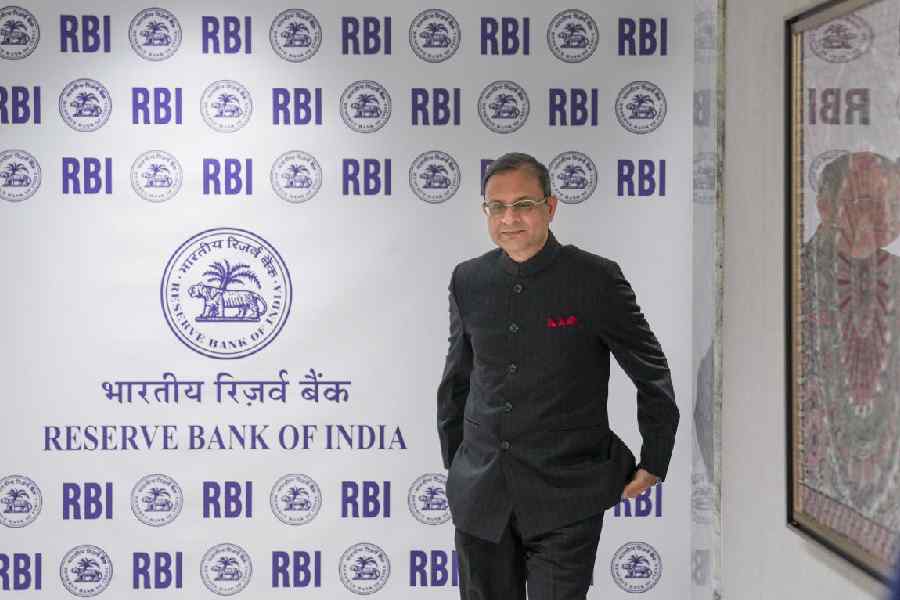
The Reserve Bank of India on Tuesday delivered a 25-basis-point reduction in the policy repo rate to 5.25 per cent, as cooling inflation created policy room to support growth amid global uncertainties.
For borrowers, the reduction in the repo rate is expected to ease monthly loan instalments, especially for home loans; however, softer deposit rates could hurt households dependent on fixed-income returns.
The Monetary Policy Committee (MPC), chaired by governor Sanjay Malhotra, retained a neutral stance, signalling that its decisions will remain data-dependent even as it opens the door to further easing.
After three days of deliberations, the central bank also announced liquidity infusion measures to ensure the smooth transmission of the rate cut across the banking system.
These include open market purchases (OMOs) of government securities worth ₹1,00,000 crore and a three-year USD/INR buy–sell swap of $5 billion during the month.
Malhotra said the MPC took comfort from the sustained moderation in price pressures, with both headline and core inflation projected to remain at or below the 4 per cent target through the first half of 2026–27.
He noted that underlying inflation pressures are even lower as the impact of the increase in the price of precious metals is about 50 basis points.
“Growth, while remaining resilient, is expected to soften somewhat,” the governor said, adding that the benign inflation outlook created “policy space to support the growth momentum”.
The central bank expects the rate cut, combined with liquidity support, to reduce borrowing costs and bolster credit flows across sectors.
Banks anticipate a continued pickup in credit offtake, particularly in retail and MSME segments, which have been growing following earlier GST rate cuts and resilient consumer demand. They also endorsed the RBI’s combined approach of lowering rates and enhancing liquidity.
Ajay Kumar Srivastava, MD and CEO of Indian Overseas Bank, said the decision would “spur demand in housing and real estate, support MSMEs, and sustain personal and auto loan growth”.
He pointed out that bank credit growth remains healthy at around 11 per cent, while overall credit from bank and non-bank channels has expanded by 13.1 per cent.
However, lenders say near-term pressure on margins, as the transmission of lower loan rates tends to be quicker than adjustments in deposits. SBI MD Aswini Kumar Tiwari told CNBC TV18 that fixed deposit rates “correct only on maturity”, leading to temporary compression in net interest margins.
Economists welcomed the policy’s growth-supportive tilt, calling the neutral stance a prudent choice that keeps open the possibility of additional easing if i0nflation remains contained.
EY India chief policy adviser D.K. Srivastava said the move would strengthen private investment, reduce the government’s incremental borrowing costs and help counter global headwinds, provided fiscal consolidation stays on track.
Manoranjan Sharma, chief economist at Infomerics Ratings, said lower borrowing costs would boost consumption, lift credit demand and improve the viability of large, capital-intensive projects — reinforcing the capex revival already visible in Q2 numbers. But he cautioned that softer deposit rates could hurt households dependent on fixed-income returns.
Kotak Bank chief economist Upasna Bhardwaj said the RBI appeared to be “leaving room open for further easing”, adding that another 25-basis-point cut cannot be ruled out, with a likely terminal rate of around 5 per cent followed by an extended pause.
Grievance clearance
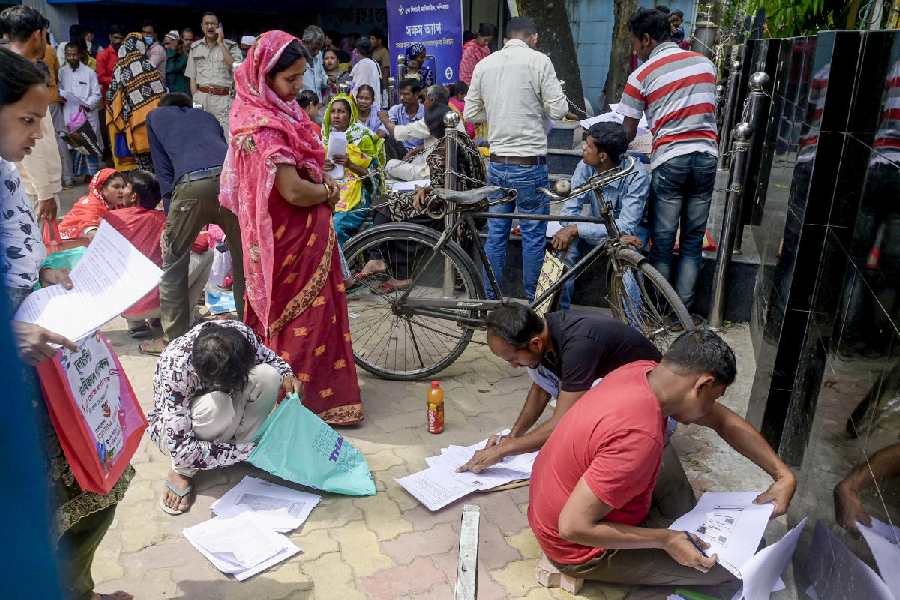
The RBI governor also proposed to hold a two-month campaign starting in January to resolve all grievances pending for more than a month with the RBI Ombudsman and called on the regulated entities to support the endeavour amid the rising number of grievances in the banking industry.