Summary
The Loreto College, Kolkata, organised a National Seminar on Indian Knowledge Systems (IKS).
Hosted by the Departments of BEd and Education, the seminar aligned with the vision of the National Education Policy 2020, which emphasises holistic and value-based education.
The Loreto College, Kolkata, organised a National Seminar on Indian Knowledge Systems (IKS) on February 12, 2026, bringing together eminent scholars, academicians, and students to explore the intersection of traditional wisdom and contemporary learning. Hosted by the Departments of BEd and Education, the seminar aligned with the vision of the National Education Policy 2020, which emphasises holistic and value-based education.
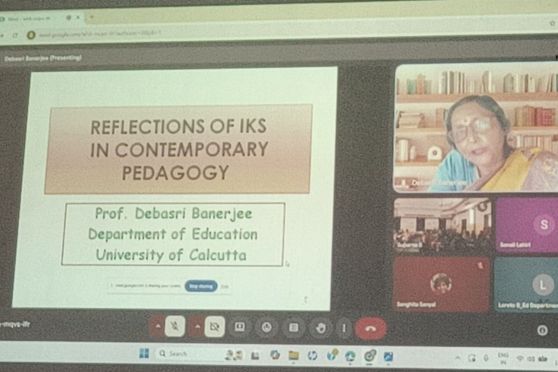
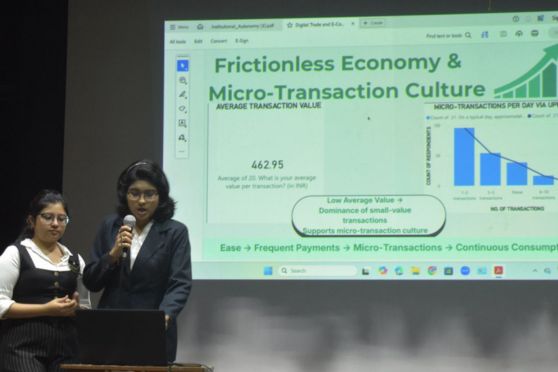
Dr Debasri Banerjee shared her perspective on cultivating indigenous academic structures. Loreto College
The event commenced with an inaugural address by Dr Suparna Ghosh, Head of the Department of BEd, followed by the ceremonial lighting of the lamp by faculty members of both departments. The solemn opening included an intercessory prayer and a dance performance, setting a reflective tone for the academic deliberations ahead. Dr Neeta Dang presented the concept note, highlighting themes of diversity, value-based pedagogy, and the role of IKS in guiding modern education systems at a critical crossroads.
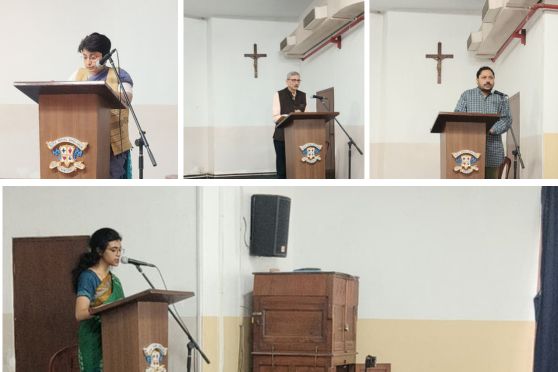
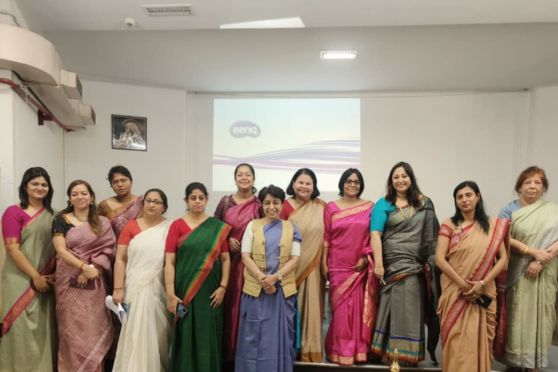
The seminar bringing together eminent scholars and academicians to explore the intersection of traditional wisdom and contemporary learning. Loreto College
The first business session, centred on the linkage between IKS and Traditional Wisdom, was jointly chaired by Dr Ranjita Dawn and Dr Rupa Ghosh. Distinguished speakers included Dr Suchandra Ghosh, Professor of History at the University of Hyderabad, and Dr Kanad Sinha, Professor of Ancient Indian and World History at The Sanskrit College and University, Kolkata.
Dr Suchandra Ghosh underscored the importance of incorporating epigraphical resources as credible academic evidence, emphasising the active transfer of tradition as a strategic educational tool. She also stressed the need to foster cultural identity within the framework of skill development. Dr Kanad Sinha offered an insightful examination of the concept of ‘knowledge’ in the context of India’s colonial past, analysing its relationship with Western historiography. He described IKS as a corrective measure to colonial knowledge systems, resonating with ongoing educational reforms in India.
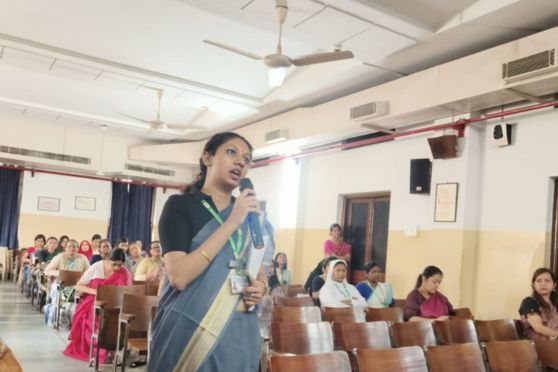
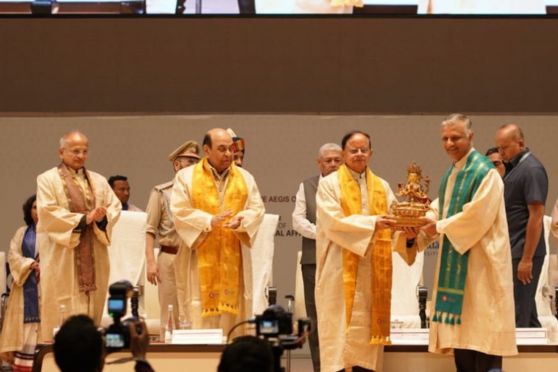
The seminar saw insightful exchanges taking place between the audience and the speakers. Loreto College
Adding further depth to the discourse, eminent historian Professor Dr Ranabir Chakravarti presented a critical inquiry into the scope and structural possibilities of Indian Knowledge Systems. He called for the development of a comprehensive and inclusive curriculum blueprint, grounded in historical evidence from the socio-cultural milieu of the subcontinent. His perspective illuminated the ethos underpinning the evolving IKS framework.
The second session, focusing on Indian Knowledge Systems and Contemporary Learning, explored the integration of traditional knowledge with modern teaching methodologies. Joining the seminar online, Dr Dheeraj Meherotra and Dr Debasri Banerjee shared their perspectives on cultivating indigenous academic structures that encourage critical inquiry and humanitarian values. Dr Meherotra highlighted IKS as a foundation for training-based methodologies rooted in Indian intellectual traditions, while Dr. Banerjee elaborated on its emphasis on agency, ethics, and pedagogical innovation for holistic development.
The final segment of the seminar featured paper presentations by students and teachers from various colleges in Kolkata. Chaired by Dr Neeta Dang, this session encapsulated the seminar’s objectives by framing IKS as a renaissance movement that revives and re-examines previously marginalised discourses of Indian culture and wisdom. Topics ranged from literary analyses of the Manasa Maha Kavya, which interrogates belief and power structures, to discussions on Khanqahs as spaces for understanding minority cultures, and the conceptualisation of IKS as a framework for ethical human capitalisation.
The seminar concluded as a vibrant intellectual exchange, reaffirming Loreto College’s commitment to academic excellence and reflective scholarship. By engaging with Indian Knowledge Systems through diverse historical, cultural, and pedagogical lenses, the institution created a platform for meaningful dialogue on shaping an inclusive and value-oriented future for education in India.
Last updated on 16 Feb 2026