Also Read
You may be using the most expensive hair serums and shampoos, yet still not doing enough for your hair. The reason? You might be misusing your comb — the one tool you use multiple times a day.
While knowing about different types of combs and brushes may seem unnecessary or overly technical — something only hairstylists discuss at length — understanding the basics can make a significant difference. Choosing the right one can help you manage your hair better and even prevent those dreaded bad hair days.
My Kolkata spoke to celebrity hairstylists to highlight the essential things you should know about different types of hair brushes.
Wide-tooth comb
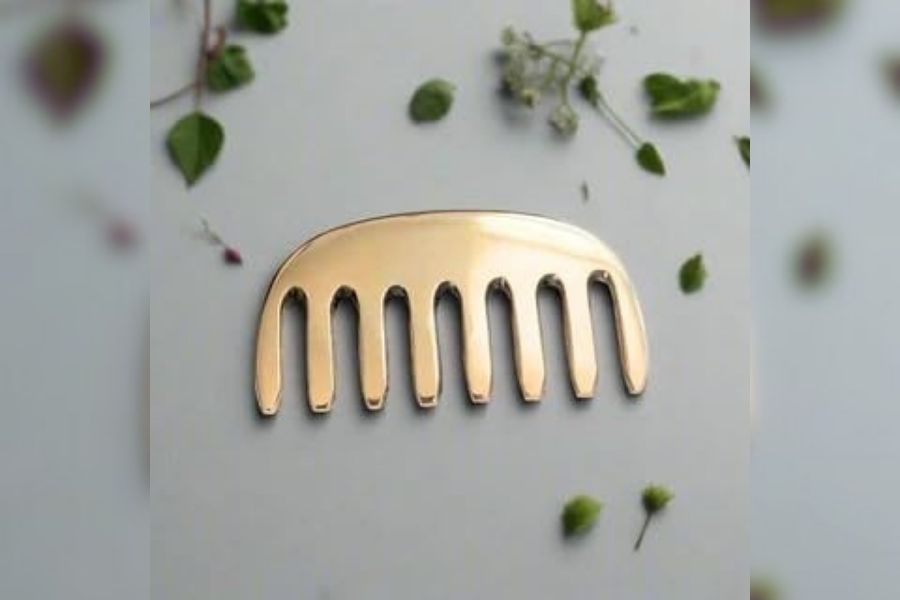
A wide-tooth comb needs little introduction as it is a staple in most Indian households. Designed with widely spaced teeth, this comb is ideal for detangling wet hair. It minimises hair breakage and helps reduce the chances of split ends. “A wide-tooth comb is particularly helpful if you have thick hair. It is a very efficient detangling tool,” said hair stylist Jolly Chanda.
Fine-tooth comb
A fine-tooth comb features closely spaced, narrow teeth that help smooth and align the hair. It works best for people with straight or fine hair, as it brings strands together to create a neat look, explained Chanda. However, those with very thick or voluminous hair may find it less suitable, as the closely spaced teeth can make detangling more difficult.
Wooden comb
Did you know that the natural fibres of a wooden comb can help condition your hair? Wooden combs also glide smoothly through the strands, detangling gently without tugging or pulling.
“You should try to avoid brushes that have cheap plastic bristles. Those brushes are really damaging for the hair. Try to get natural bristles. A wooden comb reduces static. This will minimise breakage, the occurrence of split ends and protect your hair. Flyaways can also be avoided if you reduce static,” explained makeup artist Bridgette Jones.
Tail comb
The tail comb is a versatile styling tool. Its fine teeth and long slender handle make it ideal for sectioning hair and creating intricate hairstyles. The tail end is also useful for drawing neat, precise partings. “It is very helpful for styling hair even at home. Say you tied a pony tail and the hairdo looks too flat. Use the tail to lift a few strands and add volume and bounce,” said Chanda.
Paddle brush
A paddle brush is one of the quickest and most effective tools for detangling hair, whether it is wet or dry. With its broad, flat, rectangular base and evenly spaced bristles, the brush covers a larger section of hair at once, making the detangling process faster and smoother.
Round hair brush
Looking to create soft waves and curls with stunning volume? A round hair brush is your best bet. The larger the barrel of the brush, the more volume it can help you achieve. Simply wrap sections of hair around the bristles while blow-drying to add bounce to your locks. “This hair brush is very helpful when it comes to styling your hair,” noted Jones.
Detangling comb
Detangling combs are specialised hair tools with wide teeth to gently separate knots and minimise breakage, especially if we are brushing wet or textured hair.
Lice comb
A lice comb, specially designed with closely spaced teeth, works its way through the scalp and hair to effectively remove the unwanted intruders.
Parting thoughts
Both Chanda and Jones emphasised the importance of keeping combs clean. Jones recommended soaking combs or brushes in a lukewarm, soapy solution once a week.
However, those dealing with dandruff should sanitise their combs and hairbrushes with Savlon after every use.
“Rinse it thoroughly, dry it, and then use it. Otherwise, you will be recycling your dandruff,” Jones said.
Chanda added that dandruff can spread easily; if combs are not cleaned after each use, residue from the scalp can worsen the condition despite regular use of anti-dandruff shampoos. “That’s why each of us should use personal combs and not share them,” she noted.
To minimise breakage, Jones advised detangling hair from the bottom upwards. “Start with the ends and work your way up. Beginning at the top can leave you with a tangled ball of hair at the end,” she explained.
For very frizzy hair, Jones suggested applying a moisturising or hydrating serum evenly through each section and allowing it to absorb for 30 seconds to a minute before combing. “This will control frizz and reduce breakage,” she said.
Chanda concluded that the choice of comb should depend on individual hair type and purpose. She also cautioned against over-combing, as it increases sebum production and can make hair greasy. “Brush gently. Excessive force can damage the scalp,” she said.
Ideally, brushing once in the morning after a shower and once at night is sufficient. “Before bed, gather your hair loosely at the top of your head and secure it gently, not too tight to avoid strain, and this will protect your hair and scalp,” Jones added.