
WB HS 2026
WB HS Exam 2026 Begins for Over 7.10 Lakh Candidates with Tight Security

Our Web Correspondent
Posted on 12 Feb 2026
10:49 AM
1/6
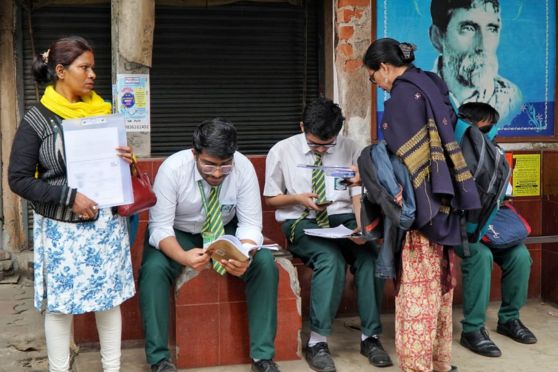
The West Bengal Higher Secondary (HS) examinations 2026 commenced today, February 12, with an estimated 7.10 lakh candidates appearing across the state. The examinations, conducted by the West Bengal Council of Higher Secondary Education (WBCHSE), will continue until February 27. This year’s examination is significant as it marks the first state higher secondary exam being conducted under the newly introduced semesterised system. According to official data, more than 6.35 lakh students are appearing from 6,837 schools spread across 23 districts. The board has put in place extensive arrangements to ensure the smooth and fair conduct of the examinations. All Photos: Soumyajit Dey
ADVERTISEMENT
2/6
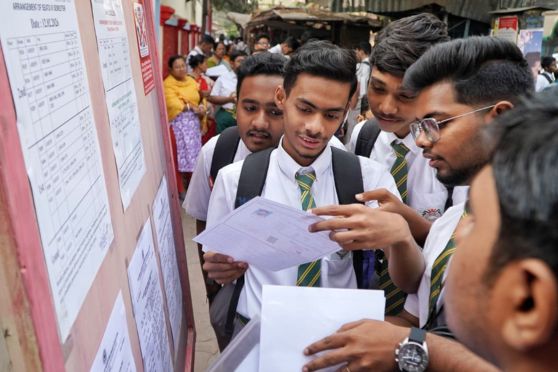
The total number of candidates includes 59,452 students who, after writing their fourth-semester examination, will also appear for their third-semester supplementary papers on the same day. These supplementary examinations are meant for candidates who were unable to clear the third-semester exams held in September 2025. The supplementary papers will be conducted from 1 PM to 2.15 PM. Additionally, around 15,495 candidates will be appearing under the previous annual examination system. These students had not qualified in the Higher Secondary examination conducted last March and are now reappearing. Their examination timing differs from others, as they will write their papers from 10 AM to 1.15 PM.
3/6
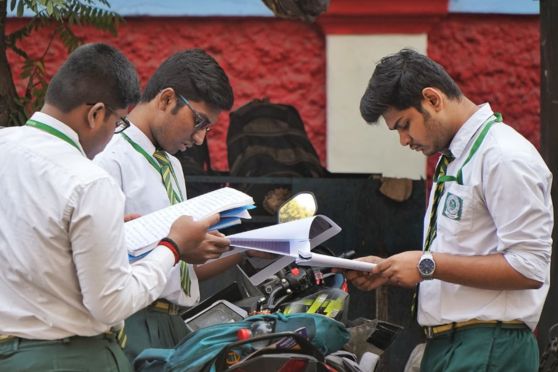
The fourth-semester examination will begin at 10 AM for most students and will be conducted in a two-hour format. However, for administrative clarity, the examinations for both fourth semester and third semester supplementary candidates will take place in a single shift between 10 am and 1.15 PM. The board has confirmed that all examinations will be conducted in offline mode using pen and paper. Students are strictly prohibited from carrying electronic devices such as mobile phones, smartwatches or calculators inside the examination hall.
4/6
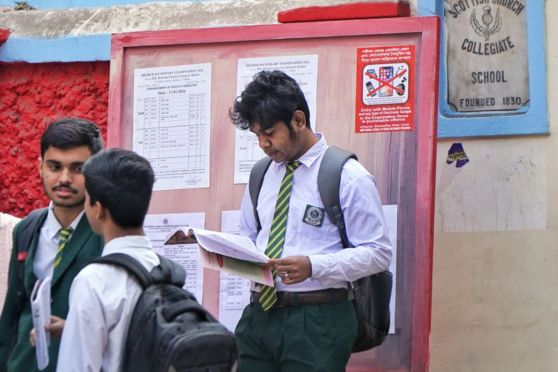
In a bid to maintain transparency and prevent malpractice, enhanced security arrangements have been implemented this year. CCTV cameras have been made mandatory at all entrance gates of examination venues. More than 100 examination centres have been identified as “sensitive” and will be placed under additional monitoring and supervision. Mobile phones and all electronic devices have been strictly prohibited inside examination centres. The council has warned that candidates found carrying banned items or involved in physical assault on examination staff will face cancellation of their board examinations along with their enrolment. Students will be allowed to wear only analogue watches. To prevent confusion among different categories of candidates — semester IV, semester III supplementary, and old annual system examinees — the question paper packets will carry distinct colour codes.
5/6
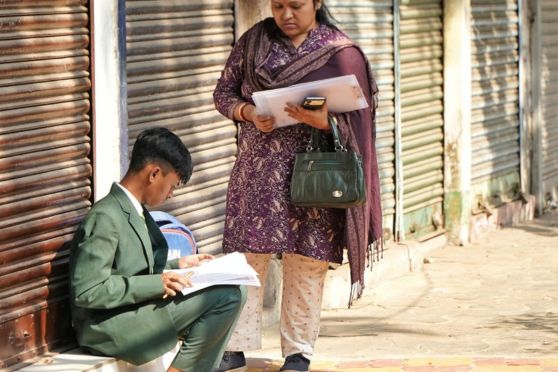
Approximately 2,100 examination centres are being utilised across West Bengal for conducting the semester III and IV examinations. For the first time, nearly 7,000 invigilators have been appointed from primary, upper primary and secondary schools. This decision was taken as many teachers from higher secondary schools are currently engaged in the Special Intensive Revision (SIR) of electoral rolls. The council authorities stated that the additional invigilators will ensure smooth supervision without affecting administrative responsibilities elsewhere.
6/6
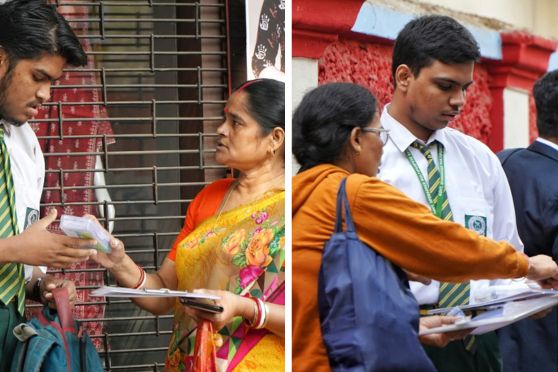
To ensure seamless coordination and timely distribution of question papers and other examination materials, the council has operationalised multiple camp and distribution offices in key districts. These include Bolpur, Rampurhat, Suri, Arambagh and Bankura. The council has expressed confidence that the logistical support system, combined with strengthened surveillance and administrative measures, will help conduct the examinations smoothly across all districts. With over 7.10 lakh candidates appearing this year under different systems and semesters, the West Bengal Higher Secondary examinations 2026 represent a major academic exercise for the state’s education framework.
Last updated on 12 Feb 2026
10:49 AM
ADVERTISEMENT
Similar stories


ADVERTISEMENT