1
6
PTI picture
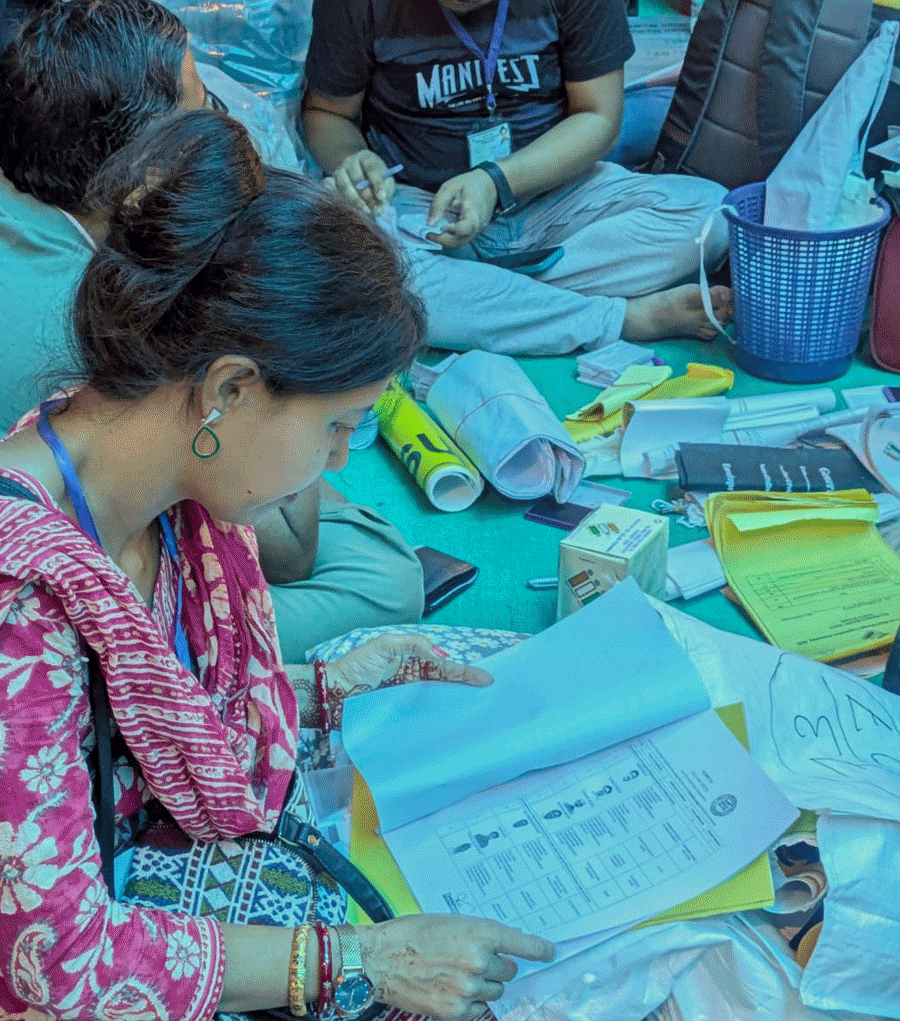
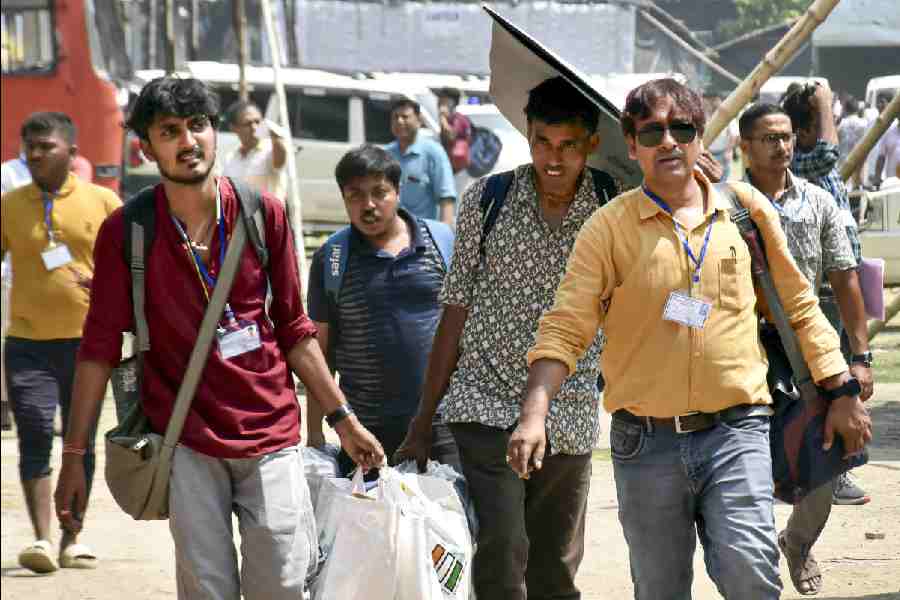
West Bengal is set to vote in the first phase of the assembly elections on Thursday, amid an increasingly polarised battle in which issues such as corruption and jobs have ceded space to identity, citizenship and the controversy over deleted names from electoral rolls.
The opening round of the two-phase election covers 152 of the state's 294 seats – including all 54 in north Bengal’s eight districts and several in Murshidabad, Nadia, Birbhum and Hooghly.
The first phase could determine whether the BJP can still rely on north Bengal as its principal gateway to power or whether the TMC has managed to claw back lost ground.
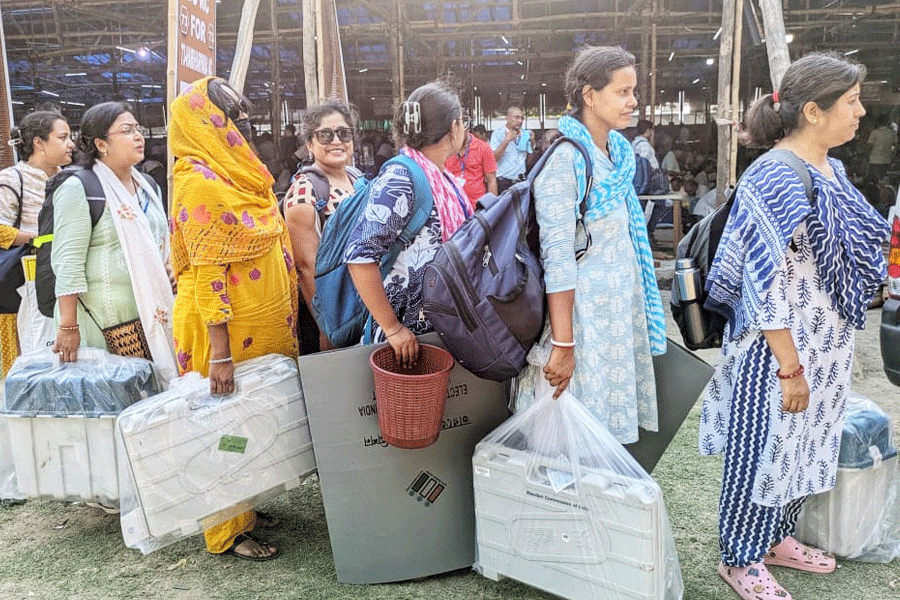
The two big rivals, the Bharatiya Janata Party (BJP) and the Trinamool Congress (TMC), made a bunch of promises to woo the electorate ahead of voting in 152 constituencies across north Bengal and several districts in the southern part of the state on April 23. Nearly 3.60 crore electors are eligible to vote in this phase, including 1.84 crore men, 1.75 crore women and 465 third-gender voters, according to Election Commission (EC) data.
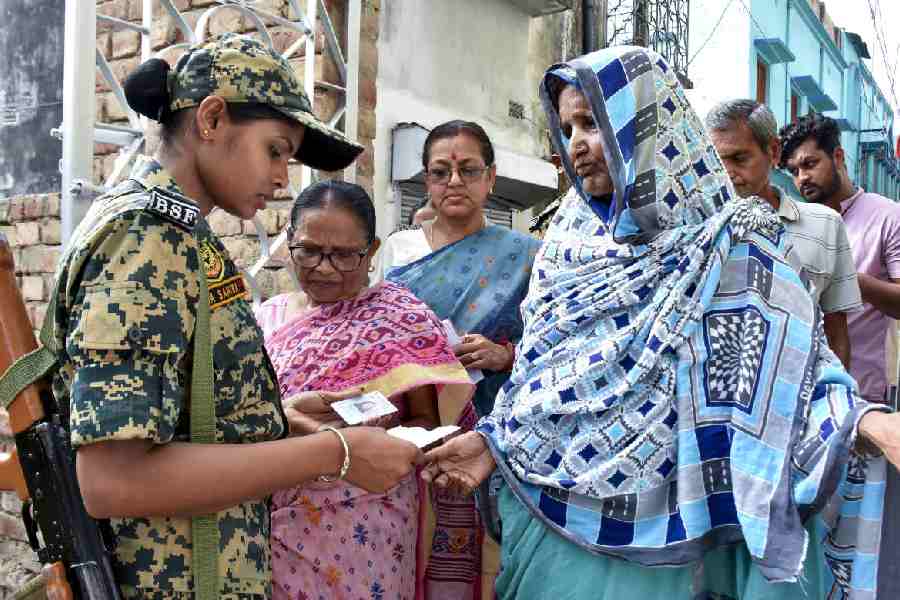
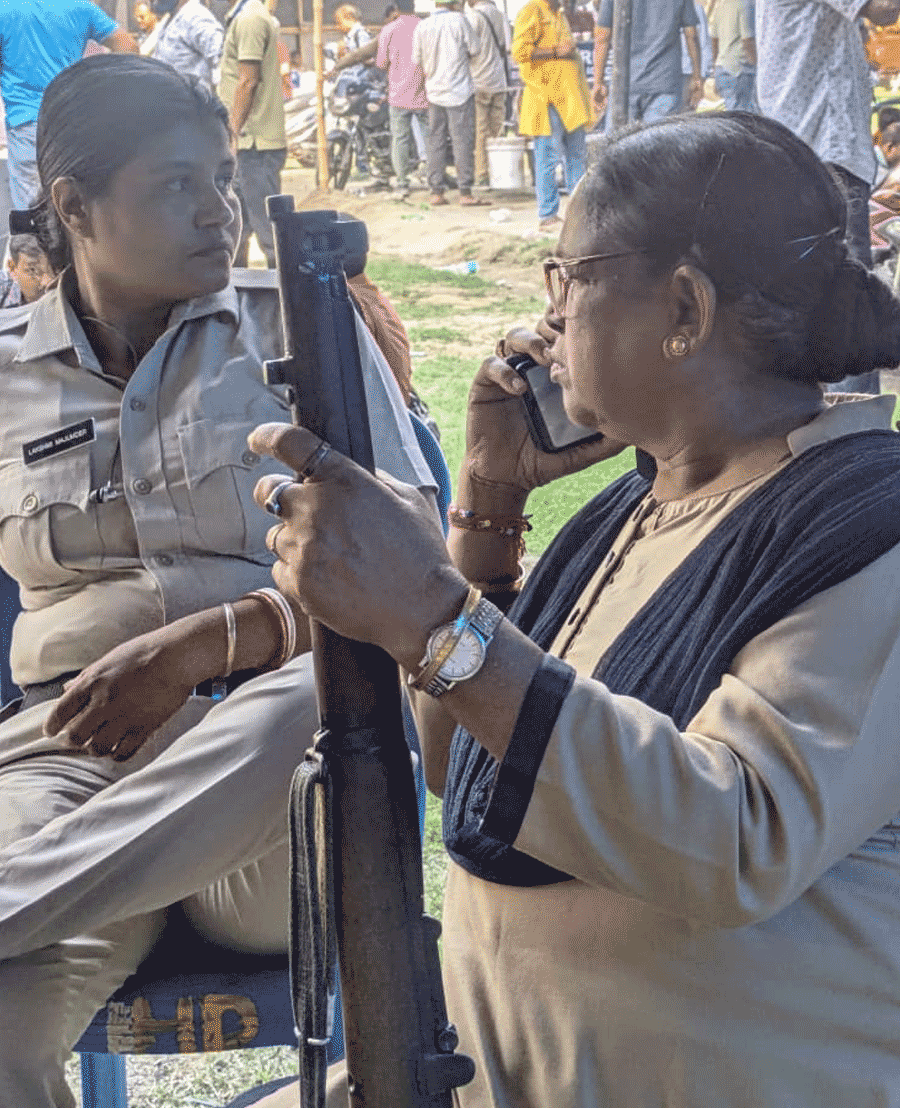
The EC has deployed a record 2,450 companies of central forces, with more than 8,000 polling stations identified as highly sensitive.
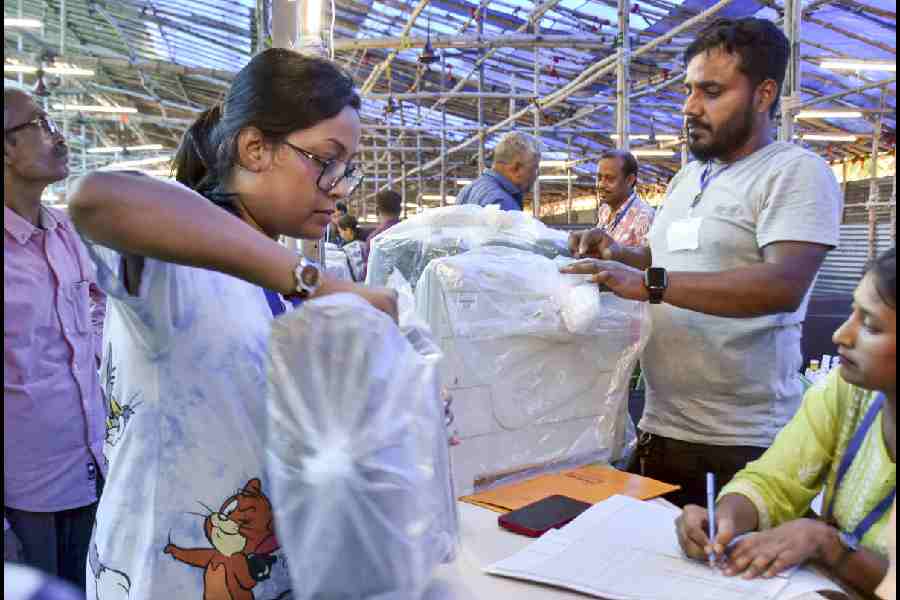
The phase is being fought across sharply different landscapes – the tea gardens of Jalpaiguri and Alipurduar, the hills of Darjeeling and Kalimpong, the Rajbanshi belt of Cooch Behar, the border districts of Malda and Uttar Dinajpur, and the minority-dominated pockets of Murshidabad and Nadia.
More than 91 lakh names were deleted from the state's voter list during the exercise, shrinking Bengal's electorate by nearly 12 per cent. In Murshidabad alone, over 7.48 lakh names were removed. Nadia saw more than 4.85 lakh deletions, Malda 4.59 lakh, Uttar Dinajpur 3.63 lakh and Cooch Behar over 2.42 lakh.
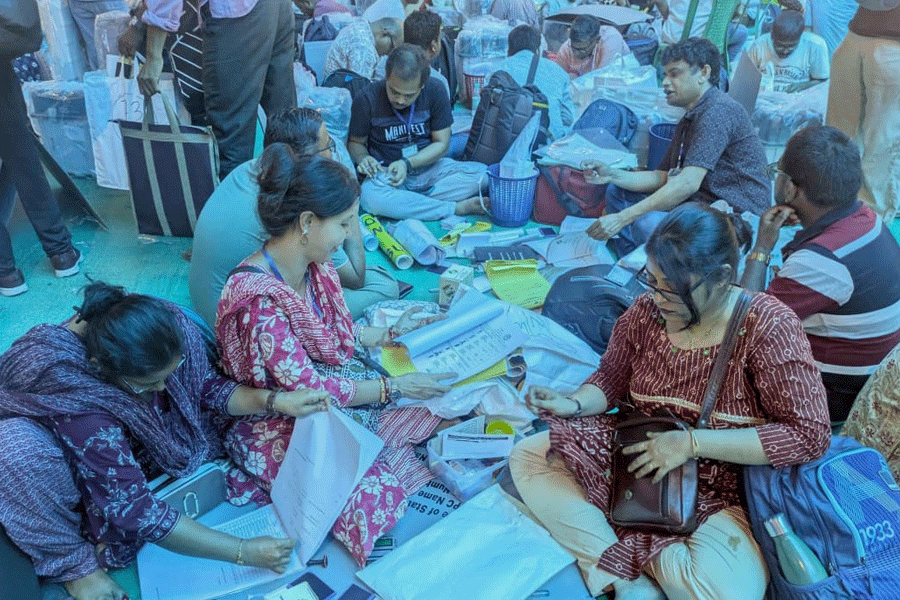
The first phase is also dotted with a number of prestige battles.
Foremost among them is Nandigram, where Leader of Opposition Suvendu Adhikari is seeking to retain the seat that transformed him into the BJP's most important face in Bengal, after his victory over Mamata Banerjee in 2021.
This time, Adhikari faces Prabitra Kar, once his trusted aide and a former BJP loyalist who crossed over to the TMC. The irony is hard to miss – a former protege challenging his former mentor in the constituency that altered Bengal's political history five years ago.
In Baharampur, Congress veteran Adhir Ranjan Chowdhury is returning to assembly politics after more than three decades in a battle against BJP MLA Subrata Maitra, which has come to symbolise the Congress' struggle for relevance in Murshidabad.
North Bengal will also watch closely the contest in Mathabhanga, where former Union minister Nisith Pramanik is seeking to retain the BJP's hold over the Rajbanshi belt, after shifting from Dinhata. In neighbouring Dinhata, state minister Udayan Guha is fighting to hold on to the seat for the TMC.
The first phase covers half the state, and stretches across the BJP's strongest turf and the TMC's most vulnerable flank. If north Bengal once again turns saffron, the BJP stays in the fight. If the TMC can stop that surge, the battle for Bengal could begin to tilt before the campaign moves south.