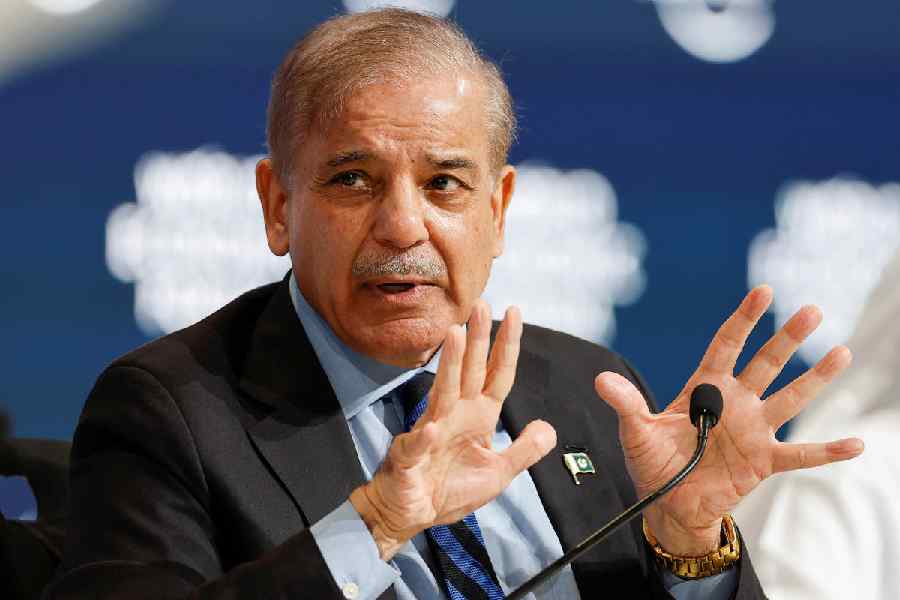
Pakistan's Prime Minister Shehbaz Sharif on Sunday said that Islamabad hopes to host the next round of peace talks between Tehran and Washington very soon.
He praised US President Donald Trump for “his extraordinary efforts to pursue peace” in West Asia, while he committed that Pakistan will continue efforts for peace in the region.
Trump, on Saturday, held a phone call with the leaders of Saudi Arabia, Qatar, Turkiye, Egypt, the United Arab Emirates, Jordan, Bahrain and Pakistan. For Pakistan, it was Army chief Field Marshal Asim Munir who was on the call, said Sharif.
Prasing Munir for his "tireless efforts", the Pakistan PM said in a statement on X: “The discussions provided a useful opportunity to exchange views on the current regional situation and how to move the ongoing peace efforts forward to bring lasting peace in the region. Pakistan will continue its peace efforts with utmost sincerity, and we hope to host the next round of talks very soon.”
Munir was in Tehran till late Saturday evening, holding talks with top Iranian leaders on accelerating efforts to achieve a "conclusive agreement" between the US and Iran to bring peace in West Asia.
As Munir wrapped up his trip, Trump said in a statement on Truth Social: "An agreement has been largely negotiated, subject to finalisation between the United States of America, the Islamic Republic of Iran, and the various other countries." He also had a separate phone call with Israeli Prime Minister Benjamin Netanyahu, “which, likewise, went very well”.
Trump added that the "final aspects and details of the deal are currently being discussed, and will be announced shortly".
With Pakistan's emergence as a key mediator in the US-Iran conflict, several analysts say that Islamabad enjoys the confidence of both Tehran and Washington. Islamabad hosted senior leaders of both sides last month for talks, the first of its kind since 1979, but the parties failed to clinch a peace deal.
Iran’s Ambassador to Pakistan Reza Amiri Moghadam said on Sunday that a “positive stride” was taking place, apparently towards a peace deal between his country and the US, following the latest intervention by Pakistan.
"With conservative optimism, we can hope that, if the other side is adequately committed, a positive stride is taking shape, which is the result of the positions of the Islamic Republic of Iran based on dignity, the steadfastness of the courageous armed forces and the resistance of the brave Iranian nation, as well as the initiative and dedicated endeavours of the Pakistani mediator,” he said on X.
The key sticking points in the US-Iran peace talks are Iran’s nuclear programme and control over the Strait of Hormuz, which hosts roughly one-fifth of the world’s energy supplies in normal times.
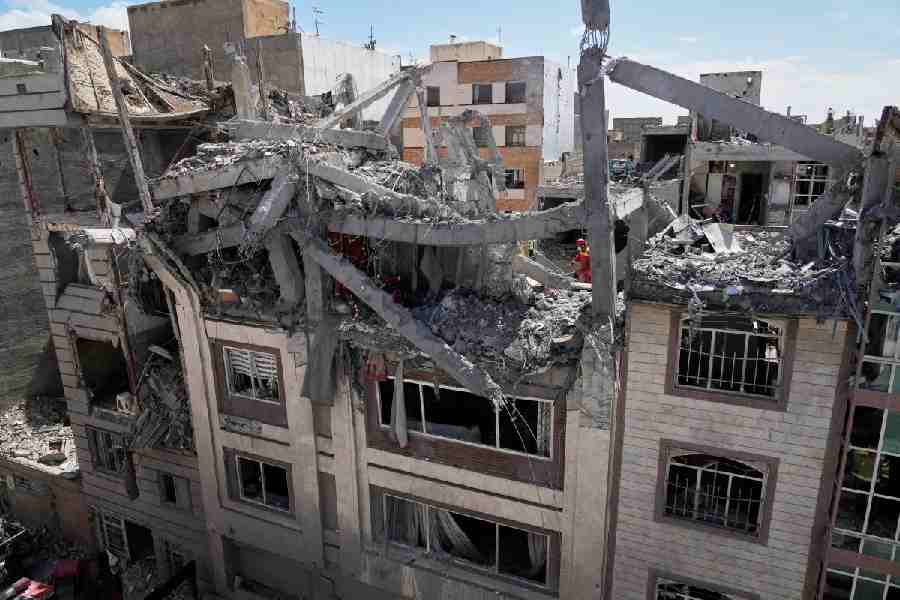
Shippings through the strait have been severely disrupted since February 28, when the US and Israel launched joint attacks on Iran, triggering retaliatory strikes. Shipping disruptions continue even though a fragile ceasefire has been in place since April 8.
Trump reiterated in his Saturday post: “In addition to many other elements of the Agreement, the Strait of Hormuz will be opened.” But Iran and Pakistan have not specifically commented on that.