Beef, long a part of Calcutta’s cosmopolitan culinary fabric, has all but vanished from the city’s plates.
Sellers — from butchers to restaurants known for their signature beef dishes — point to an acute supply shortage following the state government’s push for strict enforcement of a 75-year-old law regulating animal slaughter.
From the lavish Chateau-briand to the humble bhuna, finding a beef dish has become difficult. The shortage has hit restaurants, social clubs and roadside eateries alike.
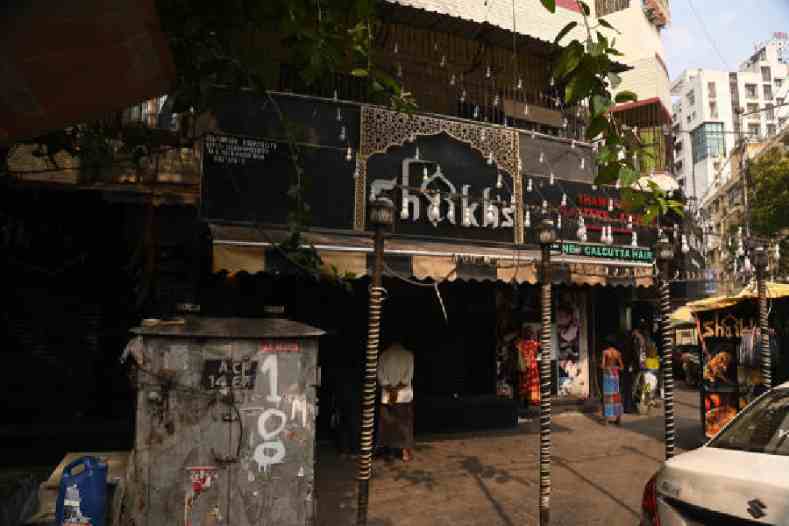
A group of Turkish visitors stopped at Shaikh’s, a Beckbagan restaurant known for its West Asia-inspired beef dishes, on Tuesday night. They were told beef was unavailable.
By Thursday, the restaurant had shut down. At least for now. “Beef was our USP. Most people came here for the beef dishes. For several days, we have not been able to procure any beef. That is why we are shutting down. We will abide by the government’s decision,” said owner Rukhshi Elias.
Zam Zam, another popular restaurant with multiple outlets, had built a loyal fan base around its beef biryani and beef malai. “Beef dishes are currently unavailable. We are serving mutton and chicken,” said Shamsher Alam, one of the owners.
Olypub, the Park Street institution almost synonymous with its beef steak, has also stopped serving the dish. On Thursday, a waiter said the item was unavailable.
The situation was similar at Mocambo. A waiter said the restaurant had continued serving Chateaubriand “until the stock lasted”.
An official of Calcutta Club said the supply chain was hit immediately after the government’s May 13 notice. “A week later, it had dried up completely,” the official said.
An official of the Calcutta Cricket and Football Club said beef was off its menu.
Slaughter curbs
Through a notice issued on May 13, the government made it mandatory to obtain a fit-for-slaughter certificate before slaughtering bulls, bullocks, cows, calves, buffaloes, buffalo calves and castrated buffaloes.
Many of the provisions already existed in the West Bengal Animal Slaughter Control Act, 1950.
Under the rules, the chairman of a municipality or the sabhapati of a panchayat samity, along with a government veterinary surgeon, can jointly certify an animal for slaughter only if “they are both of the opinion, to be recorded in writing, that the animal is over 14 years of age for work or breeding or the animal has become permanently incapacitated due to age, injury, deformity or any incurable disease”.
The supply chain began feeling the impact almost immediately.
The only operational slaughterhouse in Calcutta is in Tangra. In the last few days, only a handful of cows had been slaughtered there, sources said.
Beef sellers said that police moved swiftly after the political change in Bengal. Beef traders require a trade licence. But only some possess licences allowing them to slaughter cows and buffaloes at the Tangra facility. These licences must be renewed annually. “Because of the elections, the renewals were kept pending. After the change of guard, police clearly told us that renewal is mandatory to continue operations,” said a seller who was called to Karaya police station.
Livelihoods hit
In Calcutta, beef seamlessly travelled across diverse culinary traditions — from Anglo-Indian and colonial-era eateries to bustling Mughlai joints. For many, it served as an affordable, high-protein staple woven into the city’s gastronomic identity.
Usually, in the days leading up to Bakrid, beef shops witness a surge in customers. But visits to markets on Friday and Saturday revealed a different picture. Most shops were shut. A row of beef stalls on Beckbagan Row had their shutters down. “I am looking for an alternative source of livelihood. My brother drives an Uber car. He is supporting the family now,” said a man who worked at one of the shops.
At New Market, only a couple of shops among more than a dozen remained open. “We have very little stock and will shut soon,” said one seller.
The price of beef, around ₹400 a kilo a few months ago, has now crossed ₹600.
A meat seller on Ripon Street, who is also trained in silk-screen painting, said he would join a printing press in Sealdah. “Earlier, my shop was my main source of income and I worked part-time at the press. Now I think I will have to focus more on the printing job. Even if the supply improves, the business will remain risky,” he said.
No one interviewed for this report agreed to be named.