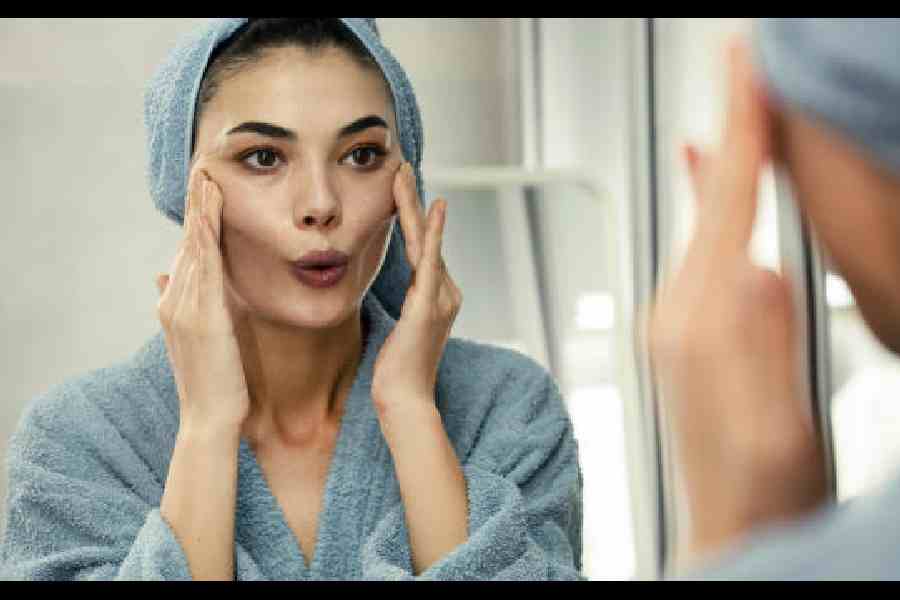
At six in the morning, long before the lights, lenses, and layers of makeup, a leading actor I work with stands in front of her mirror. Barefaced, hair tied back, she gently lifts her cheekbones with practised precision. Ten minutes later, she is sipping a collagen-rich smoothie. By nine, she is camera-ready.
No needles. No filters. No obvious shortcuts.
And yet, just a few yards away from her vanity van, a cosmetic clinic is already filling up.
So the question lingers: can diet and face yoga actually replace Botox, or are we comparing two entirely different things?
The Botox Shift
Botox is no longer a fringe choice. From boardrooms in Mumbai to wedding prep in Delhi, it has quietly moved from taboo to routine. It is quick, predictable and, for many, genuinely effective.
At a biological level, Botox relaxes targeted facial muscles. Reduced movement softens expression lines, particularly the ones formed from years of frowning, squinting, or raising the eyebrows. But here is the thing people often miss: it does not improve skin quality. It temporarily limits movement. That distinction matters more than most realise.
What Diet Actually Does to the Skin
Diet works on a completely different level. It does not freeze wrinkles. It changes the condition of the skin itself.
A nutrient-dense diet influences collagen production, inflammation, hydration, and glycation, the last being the process that stiffens collagen fibres and speeds up ageing. Chronic, low-grade inflammation often shows up on the face well before it appears in any clinical report. Dullness, puffiness, uneven tone, early sagging. These are not cosmetic inconveniences. They are signals.
Irregular eating patterns and excess sugar tend to reflect on the skin faster than people expect. In many cases, the most visible improvements come not from external treatments but from stabilising blood sugar and supporting gut health. It is not dramatic. But it is consistent.
Understanding Face Yoga
Face yoga sits somewhere between wellness practice and passing trend. At its core, it involves controlled facial movements designed to improve muscle tone, circulation, and lymphatic drainage.
With regular practice, it can sharpen facial symmetry, ease fluid retention, and offer a subtle lift over time. But it will not erase deeper wrinkles. Those lines are shaped by structural changes beneath the skin, collagen breakdown, and years of repeated movement.
Botox reduces movement.
Face yoga refines it. They are working on different layers of the same system.
So, Can It Replace Botox?
The honest answer depends on timing and expectations.
In the late 20s to early 30s, diet and face yoga can delay visible signs of ageing significantly. Many people in this window may never feel the need for injectables at all.
By the late 30s and 40s, these practices still improve skin quality and muscle tone, but they will not fully reverse deeper expression lines. For those preparing for high-definition cameras or milestone events, quicker interventions are often layered alongside these habits.
Even among those who do use Botox, diet and routine remain essential for maintaining results. Without that foundation, no injectable holds up for long.
The Shift Toward Prevention
Across urban India, something is changing. There is a growing emphasis on prevention rather than correction. Younger professionals are investing in nutrition, sleep, stress management, and non-invasive practices not because they reject cosmetic procedures, but because they would rather not need them.
This reflects a broader shift in mindset. From reactive decisions made in a moment of insecurity, to long-term care built into daily life.
Moving Past the Extremes
Public conversations about ageing tend to swing between two poles. One side dismisses Botox entirely. The other overstates what natural methods can do. Neither is particularly useful.
Ageing is layered. It involves changes in the skin, fat distribution, muscle activity, and bone structure. No single approach addresses all of this. The people who age well are rarely doing just one thing. They are combining methods thoughtfully, and they are staying consistent.
What a Practical Approach Looks Like
A sustainable strategy begins with the basics.
A balanced diet rich in protein and antioxidants supports skin structure from the inside. Consistent hydration and quality sleep contribute more than most topical products. Sun protection remains non-negotiable, especially in Indian climates where UV exposure is year-round.
Adding 10 minutes of daily face exercises or massage can improve circulation and build muscle awareness over time. Posture plays a role too, particularly through the neck and jaw.
Anything beyond that, if considered at all, should come from informed decisions rather than impulse.
The Better Question
Perhaps the more useful question is not whether diet and face yoga can replace Botox. It is whether you are chasing a quick correction or building a long-term relationship with how you age. One offers speed. The other builds resilience.
Those who age gracefully rarely credit a single treatment or a single product. Their results reflect habits, awareness, and time. The mirror reflects more than your face. It reflects what you have been doing when nobody was watching.
The writer is a clinical nutritionist