Still snobbish
Sir — France consuming more beer than wine marks a cultural shift that goes beyond alcohol preferences. Wine in France has long been tied to ritual, regional identity and class distinction. Younger consumers now favour cheaper and more casual drinking habits shaped by inflation, digital socialisation and changing food culture. Yet the decline of wine snobbery has not produced a more democratic drinking culture. Craft beer has inherited the same obsession with taste, provenance and exclusivity once associated with wine. The language of connoisseurship has simply moved from vineyards to breweries.
Anamika Mitra,
Calcutta
Obscure rule
Sir — The Calcutta High Court’s direction, asking the West Bengal government to decide on exemptions under the West Bengal Animal Slaughter Control Act, 1950, has highlighted the confusion surrounding the present rules. Farmers and cattle traders still do not know how animal age will be determined or how certificates will be issued. Rural areas lack sufficient veterinary infrastructure for such enforcement. The government should first create a practical administrative system before implementing strict restrictions that disrupt livelihoods and create uncertainty during a major religious festival.
Beena Thapa,
Calcutta
Sir — The present restrictions on cattle slaughter in West Bengal raise serious economic concerns. Bengal has a large meat and dairy sector that supports thousands of families. Farmers cannot afford to maintain unproductive cattle for years without financial support. The government should explain how rural households are expected to bear these costs. Policies linked to agriculture must balance religious sensitivities with economic survival. A sudden enforcement drive without proper infrastructure has disrupted markets.
C.M. Nandi,
Calcutta
Sir — The Calcutta High Court has rightly asked the Bengal government to examine whether proper infrastructure exists for issuing slaughter certificates. Laws become meaningless when ordinary people cannot comply with them. The state government should first establish a transparent and accessible certification system before threatening penal action against citizens.
Debu Das,
Calcutta
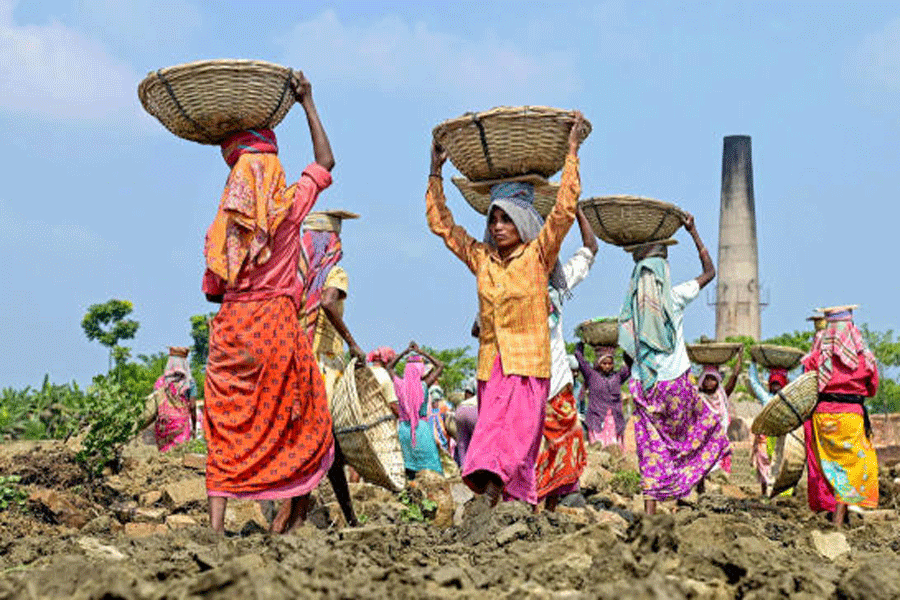
Sir — Public debate on the cattle slaughter issue has ignored the difficulties faced by small livestock traders. Many borrow money before Eid expecting seasonal demand. The new restrictions have reduced activity in cattle markets and pushed several families into financial distress. Such policies affect Hindus and Muslims alike because the rural economy depends on interconnected trades. The government should consult farmers, butchers, transport workers and veterinary professionals before imposing regulations that alter livelihoods overnight. Administrative orders should not deepen economic insecurity in vulnerable communities.
Fateh Najamuddin,
Calcutta
Sir — West Bengal’s political leadership should avoid turning agricultural policy into a cultural dispute. The state has historically allowed beef consumption and cattle trade within a regulated framework. Abruptly enforcing a decades-old law without preparation has caused panic and confusion. The focus should remain on public hygiene, legal slaughterhouses and animal health standards. Farmers today use tractors and mechanised equipment instead of bullocks. Policies designed for the agricultural conditions of 1950 cannot be applied mechanically in 2026 without serious economic consequences. Governments must communicate clearly when introducing sensitive regulations. There should be publicly available guidelines on certification and enforcement procedures.
D. Sinha,
Calcutta