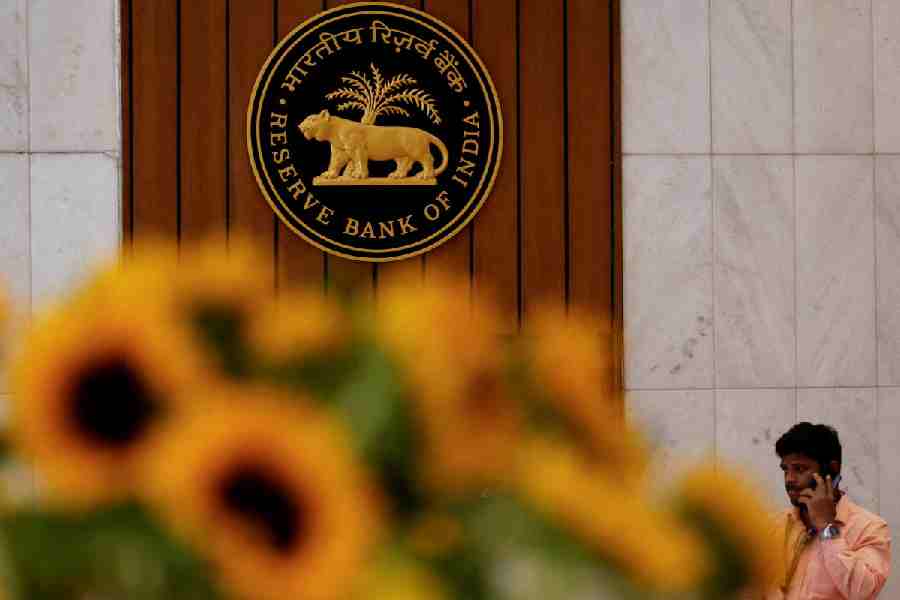
At the latest meeting of the Reserve Bank of India’s Monetary Policy Committee, the central bank expanded foreign access to government securities, eased investment restrictions for non-resident investors in Indian equities, and introduced a concessional forex swap facility to bolster foreign-currency deposits and overseas borrowing. The central bank has also kept policy rates unchanged at 5.25% to support capital inflows. These measures are pragmatic. Faced with heightened geopolitical uncertainty, sustained pressure on the rupee and a slowdown in foreign capital inflows, the RBI has sought to strengthen India’s external financing position without resorting to disruptive policy shifts. The steps address an immediate vulnerability: the need to maintain adequate foreign capital inflows at a time when global liquidity is scarce. The government’s parallel decision to reduce tax frictions for foreign investors reinforces this effort. Together, this coordinated approach is projected to attract up to $50 billion in foreign capital: the response has been positive with global funds buying $469 million worth of index-eligible bonds last Friday, the most since June 30, 2025. This influx would keep the balance of payments manageable and limit excess volatility in the currency market.
These measures, admittedly, can only mitigate, not eliminate, the risks posed by an increasingly hostile external environment. Higher oil prices, persistent geopolitical tensions and tightening global financial conditions continue to threaten capital flows into emerging markets. But the RBI must avoid allowing concerns over external stability to crowd out the imperative of supporting domestic economic activity. While consumer price inflation remains broadly contained, domestic economic activity shows signs of moderation. As such, maintaining an overly restrictive monetary stance could weigh unnecessarily on investment and consumption, both of which remain important drivers of domestic demand. Attempts to support the rupee through excessively high interest rates are unlikely to overcome global forces shaping capital flows while risking unnecessary costs for domestic growth. Should there then not be a case for the RBI to consider a calibrated reduction in policy rates? Monetary policy cannot lower oil prices or reverse global risk aversion. It can, however, cushion domestic demand. Recent measures provide valuable breathing space. That space should be used to ensure that monetary policy remains responsive to weakening demand as well as evolving external risks.