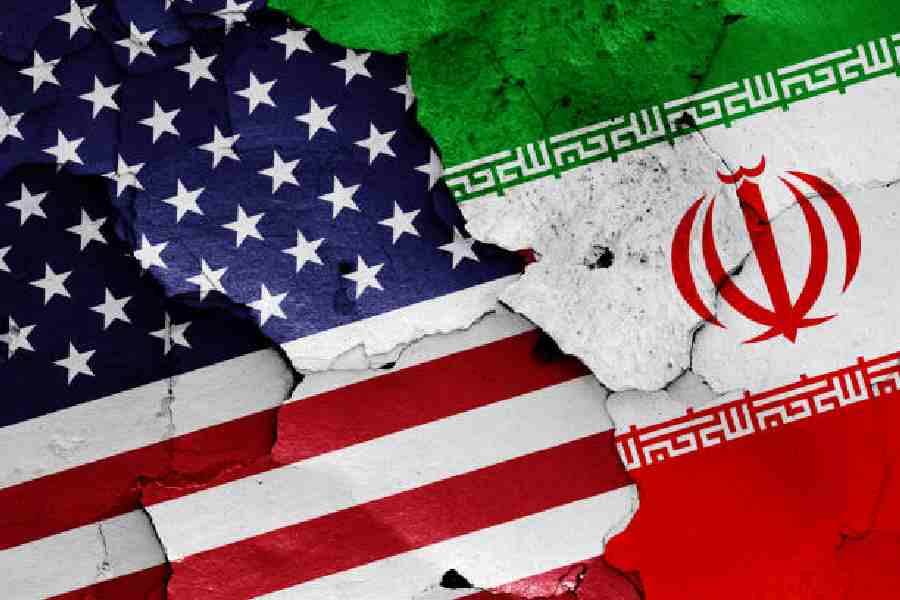
As the 100-day mark of the war launched on February 28 by Israel and the United States of America against Iran passed over the weekend, hopes for a peace deal were battered by escalating attacks. Despite a ceasefire supposedly in place in Lebanon, Israel has continued to bomb the country: on Sunday, it struck the suburbs of Beirut, a neighbourhood known to be a stronghold of Iran's ally, Hezbollah. Iran, which has insisted that its own ceasefire with the US includes peace in Lebanon, responded by launching ballistic missiles at northern Israel. Israel, in turn, retaliated by bombing Tehran, Isfahan and other Iranian cities early on Monday. The fire, unsurprisingly, spread. Saudi Arabia reported incoming projectiles; the US warned of missiles over Jordanian airspace; and Yemen's Houthis, also allies of Iran, fired missiles at Israel. By afternoon, the US president, Donald Trump, had called on both Iran and Israel to step back from the latest round of fighting. He insisted that a peace deal was close to being finalised and made clear that he did not want missiles to blow that up. But the events of the past two days have only underscored the fragility of any agreement that the warring parties sign on.
At the heart of this brittleness are two facts that no spin can obfuscate. The issues cited by the US and Iran in launching the war remain unresolved. Tehran's nuclear capabilities, though limited, largely remain what they were over three months ago. While its arsenal of missiles and launchers has been depleted, Iran, as per US intelligence agencies, retains a significant number of projectiles to fire at Israel, US bases in the region, and at America's Gulf allies. The Strait of Hormuz has since become a fresh point of friction, with Iran demonstrating both the willingness and the ability to choke one of the world's most important transit routes, thereby inflicting pain on countries far removed from the conflict. At the same time, Israel has shown that contrary to perceptions that the US can get it to bend to its will, it can and will treat ceasefires as paper promises that it can set alight when it chooses no matter what Mr Trump asks of it. Even if a deal is announced, the prospects of that leading to lasting peace are dim. Iran, the US and Israel all want to claim they are the winners in this war. In that impossible pursuit, they are making sure the world loses.