1
6
IMDb
US President Donald Trump said in a Truth Social post early Sunday that a US fighter pilot, whose aircraft had been shot down over Iranian territory, had been successfully brought back by American forces.
The mission has once again drawn attention to combat search and rescue ops. Over the decades, war films have depicted the mechanics of such operations: how soldiers locate, reach, and attempt to retrieve assets in hostile regions. Here’s a closer look at how some films portray the anatomy of a military rescue:
Saving Private Ryan (1998)
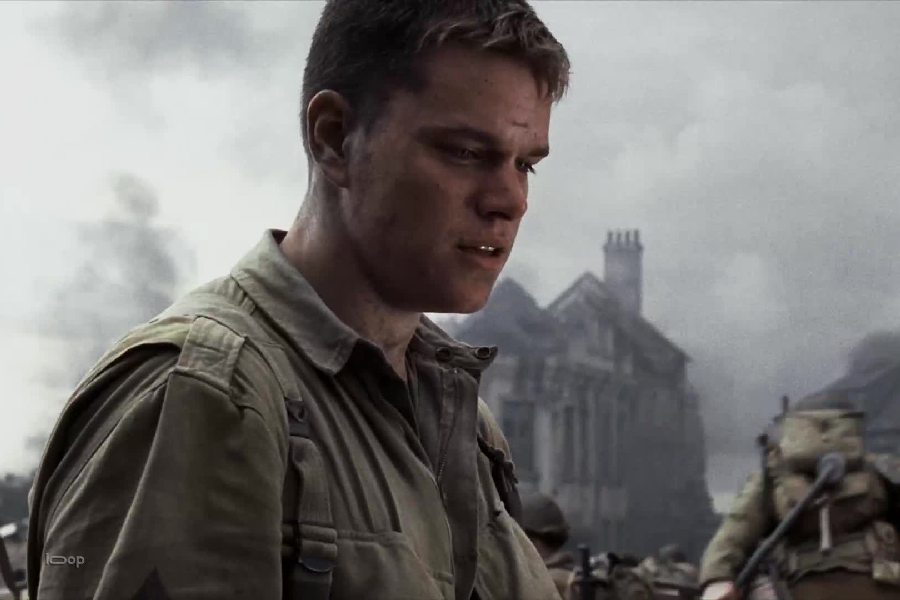
Steven Spielberg’s Saving Private Ryan takes a different approach: the rescue itself is the entire mission. A small squad, led by Tom Hanks, is sent deep into Nazi-occupied territory to locate and extract a single soldier. The team moves through landscapes, relying on scattered intelligence and word-of-mouth from other units. Each step of the mission is uncertain. When they finally locate Private Ryan, he refuses to leave his post, forcing the squad to defend a strategic position instead. Rather than evacuating the target, the rescuers integrate into a defensive battle, holding ground until reinforcements arrive. The mission succeeds, but at a devastating human cost.
Black Hawk Down (2001)
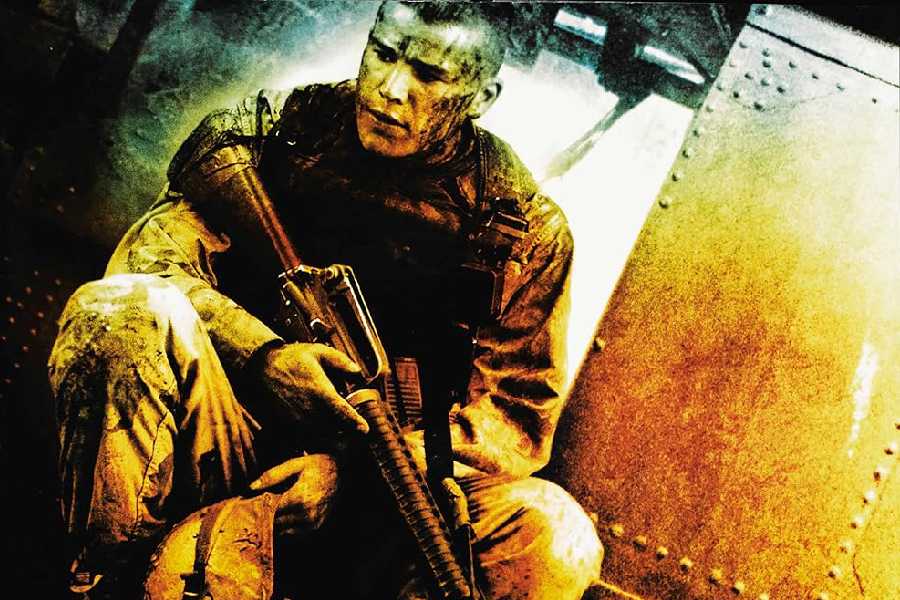
Few films capture the cascading complexity of rescue operations like Ridley Scott’s Black Hawk Down. A targeted raid in Mogadishu turns into a rescue mission when two US Black Hawk helicopters are shot down. Ground convoys are rerouted to crash sites, but urban warfare conditions — narrow streets, hostile crowds, limited visibility — slow their movement. Meanwhile, troops already on the ground must secure the crash zones, protect injured crew members, and establish defensive perimeters. By the time relief forces break through, the mission has transformed into a prolonged survival operation. The film reminds viewers that once assets go down in hostile territory, rescue can escalate into a battle for control of the entire environment.
Tears of the Sun (2003)
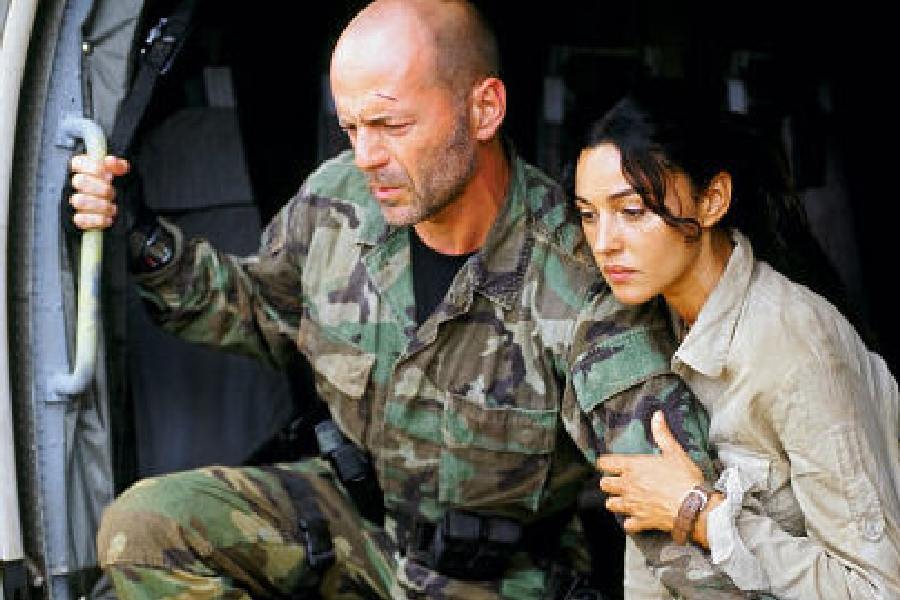
In Antoine Fuqua’s war drama, the mission begins as a textbook special operations extraction: infiltrate deep into hostile territory, secure the asset — a doctor — and airlift her out before enemy forces can react. The SEAL team, led by Bruce Willis, executes the insertion cleanly, establishing control over the target location with minimal visibility. But the operation quickly unravels. The doctor refuses evacuation unless civilians under threat are also taken along. The team abandons the idea of a quick helicopter extraction and instead forms a defensive convoy on foot. With militia forces in hot pursuit, a quick extraction turns into a prolonged escort operation through the jungles.
Lone Survivor (2014)
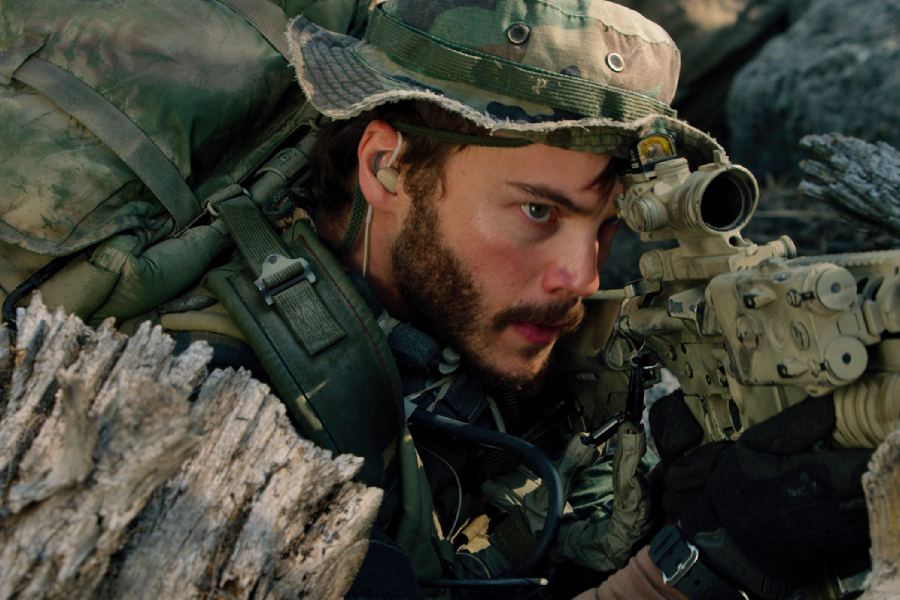
Peter Berg’s Lone Survivor presents one of the starkest portrayals of how rescue missions can fail even before they begin. After a reconnaissance team is compromised in mountainous Afghan terrain, command authorises a Quick Reaction Force (QRF) to extract the trapped soldiers. A helicopter carrying reinforcements approaches the hot zone without the benefit of surprise and is struck by enemy fire mid-insertion, leading to devastating losses. The extraction effort collapses in seconds, leaving the lone surviving SEAL, based on Marcus Luttrell, to fend for himself. What follows is a battle for survival. Instead of a coordinated military pickup, survival becomes a test of endurance.
Land of Bad (2024)
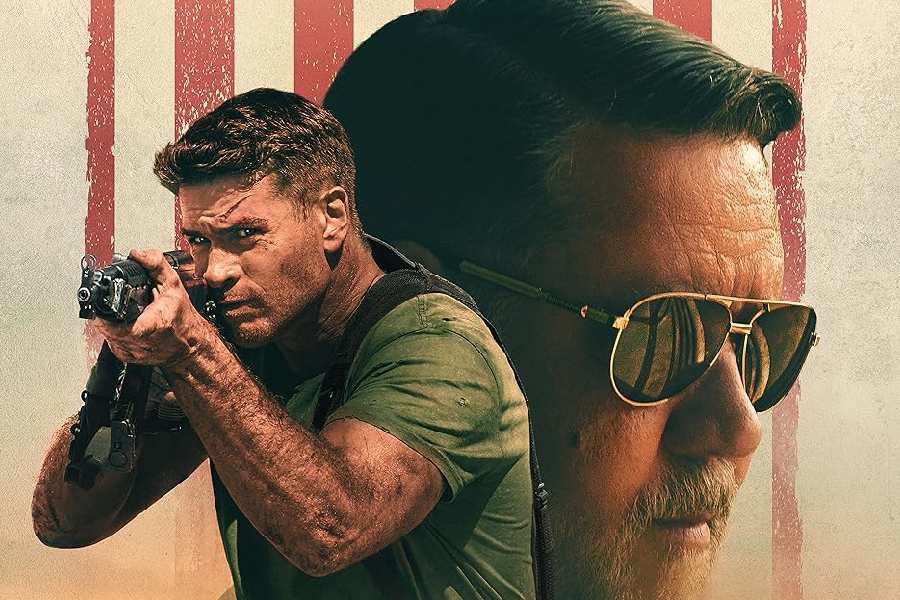
William Eubank’s Land of Bad depicts modern warfare’s shift toward remote coordination in critical missions. When a special forces team is ambushed, the extraction effort hinges not just on soldiers in the field but on a drone operator monitoring events from afar. The rescue is conducted as a tightly coordinated interplay between surveillance and strike capability. The drone provides persistent aerial coverage, tracking enemy movement and guiding the stranded team through safe routes. Airstrikes are deployed with precision to neutralise threats. Communication becomes the lifeline here.
Warfare (2025)
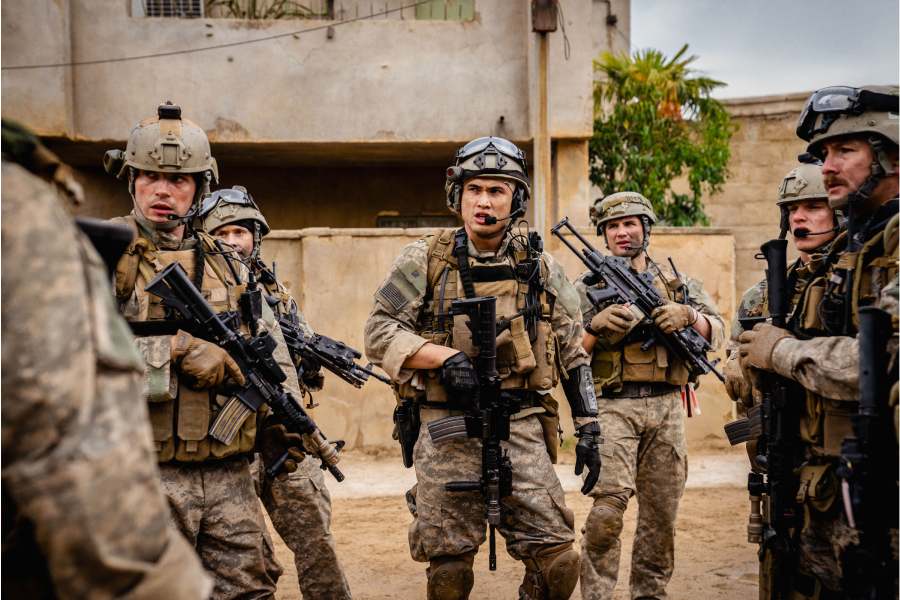
In Ray Mendoza and Alex Garland’s war drama, based on Mendoza's real-life experience of serving as US Navy SEAL during the Iraq War, a platoon is trapped inside a hostile zone as a routine watch mission spirals into a desperate extraction operation. After a grenade attack critically injures a sniper, the team initiates a high-risk CASEVAC under relentless insurgent fire. Their first evacuation attempt fails when an IED strikes the rescue vehicle, causing further casualties. With air support limited and reinforcements delayed, the stakes rise further.