TT Epaper
The Telegraph
 
IN TODAY'S PAPER
WEEKLY FEATURES
CITIES AND REGIONS
ARCHIVES
Since 1st March, 1999
 
THE TELEGRAPH
 
 
CIMA Gallary

INDIA HAS HAD ENOUGH

An unending string of bandhs, boycotts and fasts, disruption of Parliament proceedings, protests on the streets, violence in the public domain and more — with prominent leaders guiding them — cannot be the socio-political tools that will help to solve the crises that have crippled the energy and enterprise of India. Those leading the disruptions have begun to symbolize an inadequate leadership, failure of purpose and stagnation of thinking.

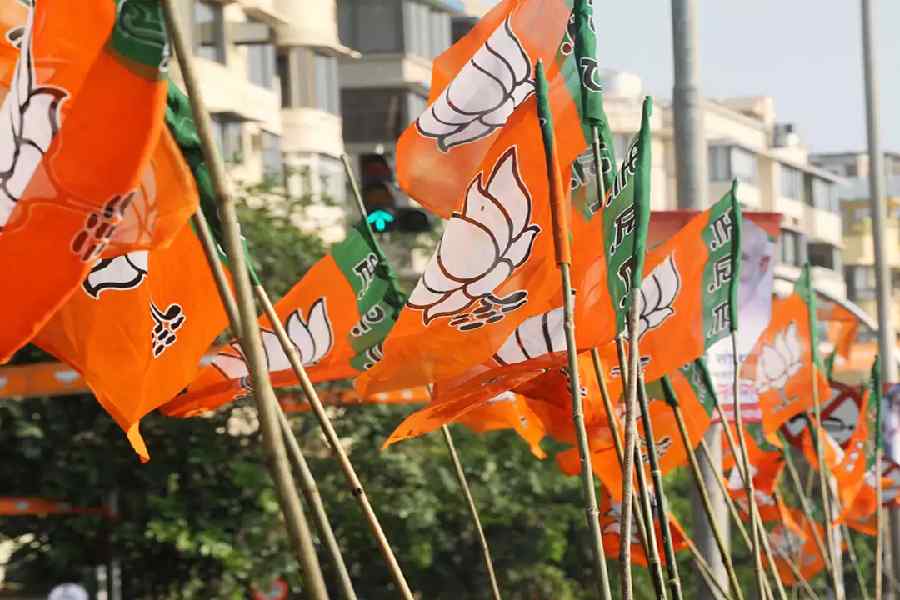
If the men and women at the forefront were truly committed to forcing correctives, they would have never descended to such base levels. They would have worked to ensure a civilized dialogue, leading to an acceptable consensus, in the national interest. Even if the Bharatiya Janata Party was appalled by the comment the home minister, Sushil Kumar Shinde, made about “saffron terror”, Rajnath Singh should have stopped at demanding a public apology instead of indulging in such high-pitched rhetoric at Jantar Mantar.

Who is going to change the narrative of everyday politics in this benighted nation? Who is going to bring a sense of dignity into political protest and opposition to failures of the government in power? When will Indian parliamentarians raise the bar of the tenor and content of their dissent, as well as of the processes they use to counter the establishment’s alleged misdeeds? When will our elected representatives feel the need to set new standards to meet the aspirations of a new India? This political natak that is enacted day after day is the easy option for the ‘actors’. Their rabble-rousing and seeming anger are in fact a superficial veneer. The protests are not serious, and dissipate very quickly into silly, abusive barbs, because the politicians of all parties and dispensations know full well that they have to stay together in the final act and secure the system of quid pro quo.

Scary truth

This grand drama — with its many supporting scenes that merge into one another seamlessly — is fast becoming a predictable and boring charade. The political ‘tribe’ is losing its aura, and the people of this country are losing respect for their leaders. India has had enough. We no longer need to turn on the television to know whether Parliament has been adjourned on the first day because it is bound to be. This truth is humiliating and debilitating, since it defines India in 2013 as a fast-disintegrating democracy.

In this budget session, the food security bill and other legislations need to be passed along with the budget. Will the Opposition allow them to be debated and then passed? Is the BJP encouraging its partners in the National Democratic Alliance to push for early elections? More important, will the Congress use the issue of disruptions in Parliament — which have stalled the passing of important bills that might have become game-changers for India — to lead the millions of stakeholders and constituents into a larger and substantive political engagement on all national concerns?

Once again, there is a great opportunity for the political class, cutting across party lines, to reorder and reconstruct their narrative and action. We need our leaders to perform in Parliament and not on the small screen. The frequent stalling of the political ‘discourse and debate’ in Parliament — if what we witness each day can be called that — and the incessant abuses that political opponents hurl at each other, are now shown on television. The sense that is conveyed from this is that the politician expects to get greater mileage from being on television than from debating a serious national issue in Parliament. This is frightening for democracy, for personal freedoms, for plurality and diversity, and for the Constitution of a democratic India.


" "