TT Epaper
The Telegraph
 
IN TODAY'S PAPER
WEEKLY FEATURES
CITIES AND REGIONS
ARCHIVES
Since 1st March, 1999
 
THE TELEGRAPH
 
Calcutta Weather
WeatherTemperature
Min : 15.20°C (-3)
Max : 26.70°C (-3)
Rainfall : 0.00 mm
Relative Humidity:
Max : 93.00% Min : 41.00%
Sunrise : 6:5 AM
Sunset : 5:37 PM
Today
Mainly clear sky. Minimum temperature likely to be around 15°C.
 
CIMA Gallary

Madan’s transport mission (im)possible

Mamata Banerjee may have asked Trinamul’s foot soldiers to stay off the streets on Wednesday to avoid clashes but transport minister Madan Mitra’s mission is to ensure every bus, auto and taxi stays on the road.

The government’s desperation was visible in the state secretariat throughout Tuesday with minister Mitra holding one meeting after another to try and keep the wheels rolling.

To those who said they feared damage to their vehicles if they defied the strike called by the central trade unions, the government promised quick settlement of insurance claims. To transport operators who said their drivers and conductors would refuse to work for fear of being attacked, the government assured foolproof security.

Few appeared convinced.

Sadhan Das, general secretary of the Joint Council of Bus Syndicates, gave voice to the dilemma of transport operators in plying buses on the strength of Mitra’s assurance.

“The minister has made a promise but the government won’t be paying compensation (in the event of damage). It is for the insurance companies to settle claims. Till date, whenever there has been a pre-declared strike like this one, insurance companies have not paid a paisa in damages,” Das told Metro.

In Bengal, the primary indicator of a strike’s so-called success is the availability of public transport.

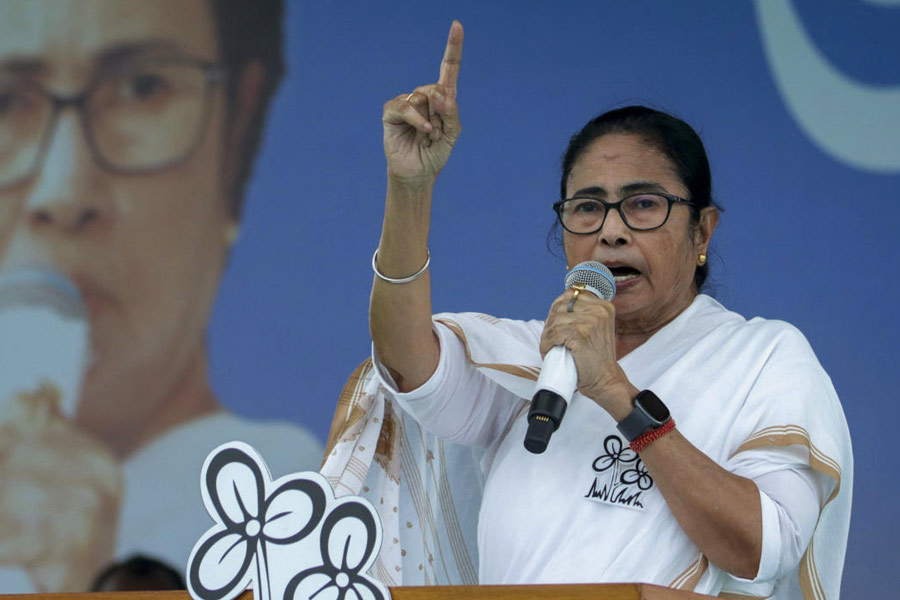
Mamata helmed a meeting with the task force set up to monitor prices of essential commodities and asked trade representatives to keep their shops and other commercial establishments open without fear. But as the day progressed, she would have realised that transport is the hardest to organise in defiance of a strike.

A highlight of the discussions on transport was some of the associations trying to link their demands — mostly about fares that the government is reluctant to raise — with their staying on the roads on Wednesday.

Sources said minister Mitra had separately met owners of buses, taxis, luxury taxis, autorickshaws and pool cars, requesting all of them not to succumb to the pressure of a general strike or the temptation of taking a day off. When someone questioned how the government would ensure compensation to the owner of a vehicle damaged for defying the strike, he said: “Vehicles that ply will be doing so on the government’s orders. If they suffer damage, government-run insurance companies must pay.”

In a hurriedly convened meeting with insurance officials in the evening, the minister was told that vehicles with “comprehensive insurance cover” were eligible for compensation in case of damage by strike enforcers. Most private transport operators have comprehensive insurance for their vehicles but state-run buses don’t.

Under insurance law, riot, strike and malicious damage are covered in a packaged policy. Any bandh is considered a strike in the legal sense of the term.

“Owners of buses and other commercial vehicles covered under the packaged policy can easily claim insurance for damage suffered during a strike. But people usually don’t want to be in a situation where they might be physically assaulted. So the first instinct is to stay away,” said B. Naik, a chief manager with National Insurance who attended the meeting.


" "