Sunday, 12 May 2024
Sunday, 12 May 2024
Sunday, 12 May 2024









Satyajit Ray’s birthday ignites a sense of community among admirers
Sohini’s recent IG post will make you sing ‘Starry, Starry Night’
‘The Commandant’s Shadow’ is sure to send chills down your spine
Make yourself a fancy summer tipple at home with this iced tea recipe
The Big Family blues band to take centre stage at Skinny Mo’s Jazz Club
My voting life began in a republic deformed by the Emergency and Mrs Gandhi’s experiments in communalism. Her party’s complicity in the pogrom of Sikhs created precedents that changed the republic forever
MUKUL KESAVAN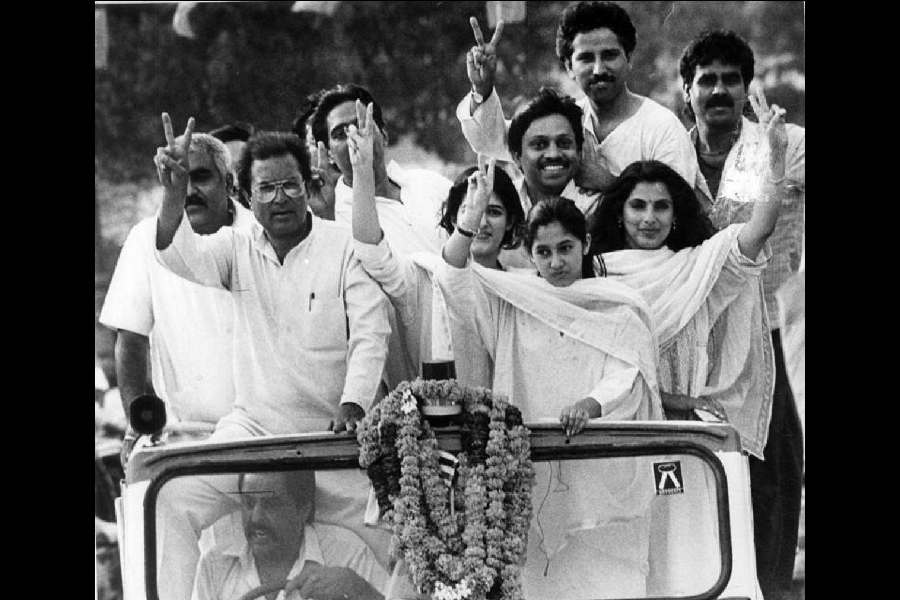
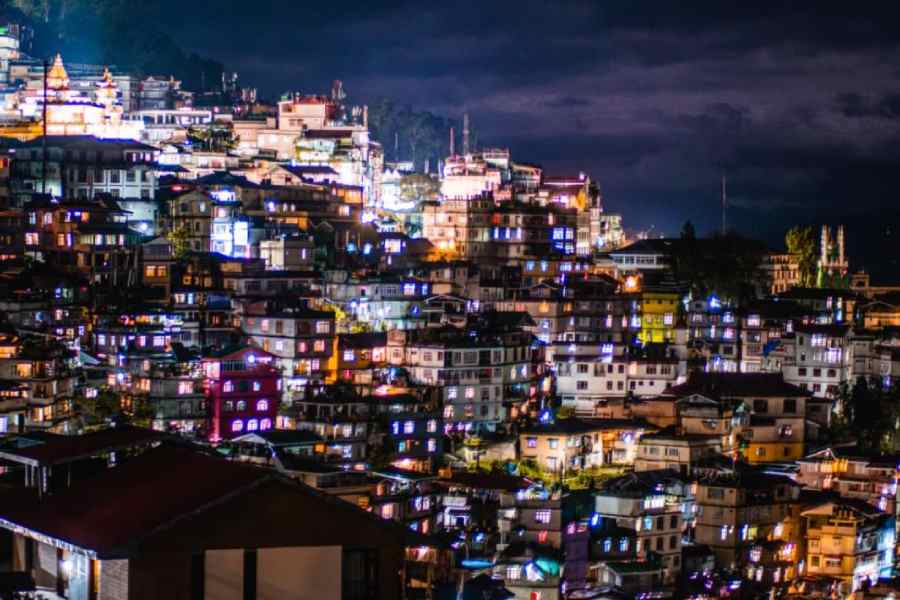
Things are often aggravated in the hills. The seven-phase Lok Sabha election heightens the drama with ominous warnings that Sikkim might one day acquire a Bihari or Marwari chief minister
SUNANDA K. DATTA-RAY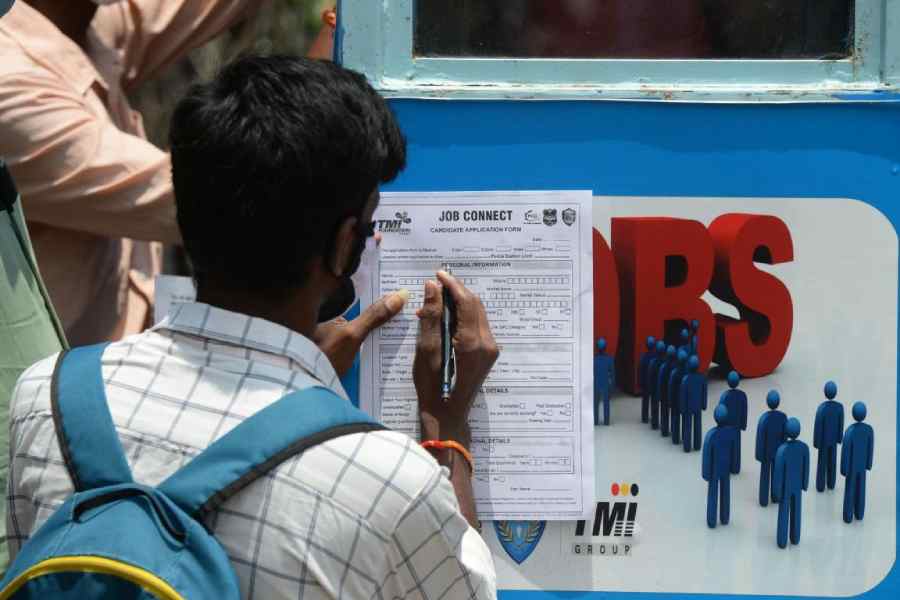
When the Babri Masjid was demolished, the response in Kerala was driven by secular values. But now I find that some people are openly supporting such indefensible acts
R. RAJAGOPAL
FRA seems to be a crucial issue in many constituencies — most acutely in states like Jharkhand, Madhya Pradesh and Odisha — that are going to the polls in the remaining phases of the elections
JAIDEEP HARDIKAR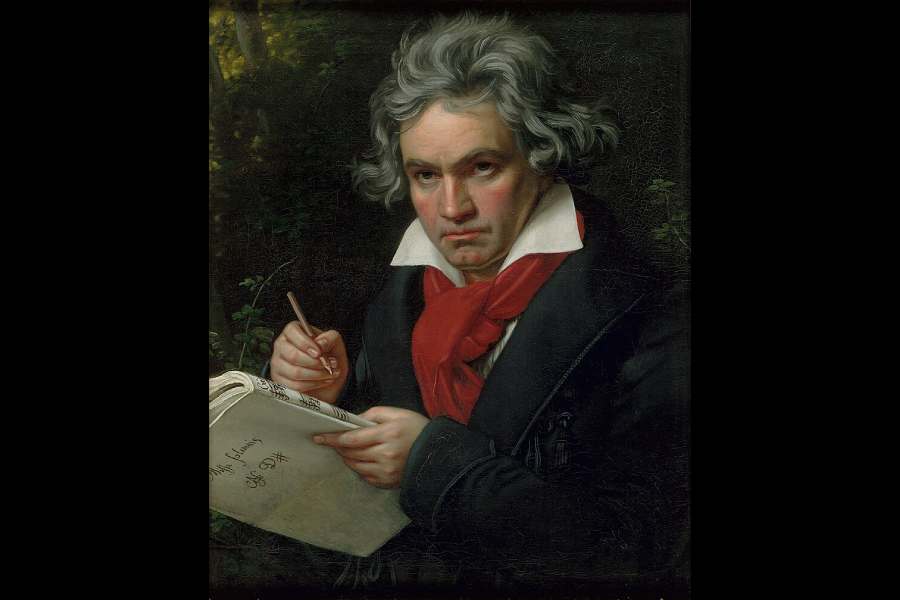
Illness is not a condition for art, but affliction seems to push artists to a kind of superhuman efflorescence of creativity to defeat it. Art may be beautiful or terrible, but it is always pitiless
THE EDITORIAL BOARD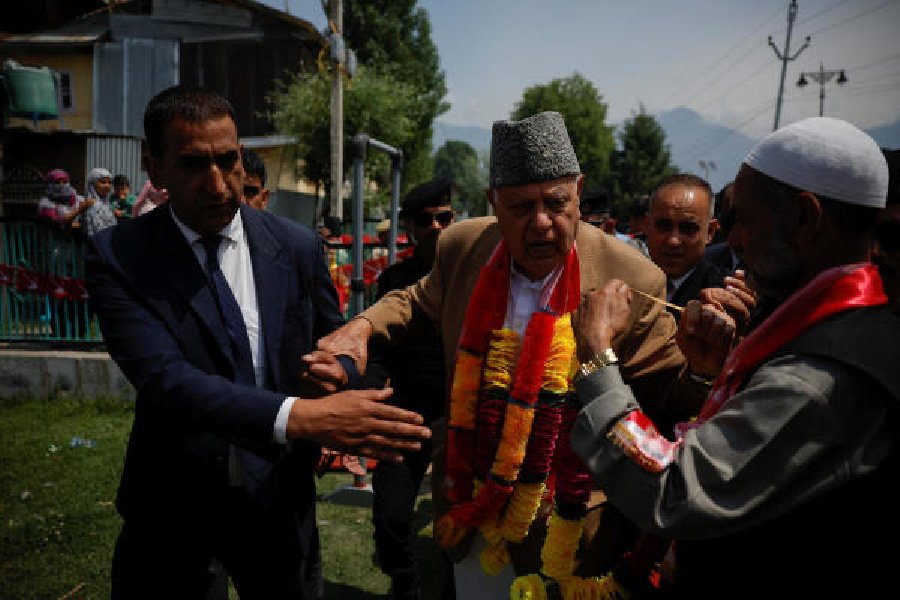








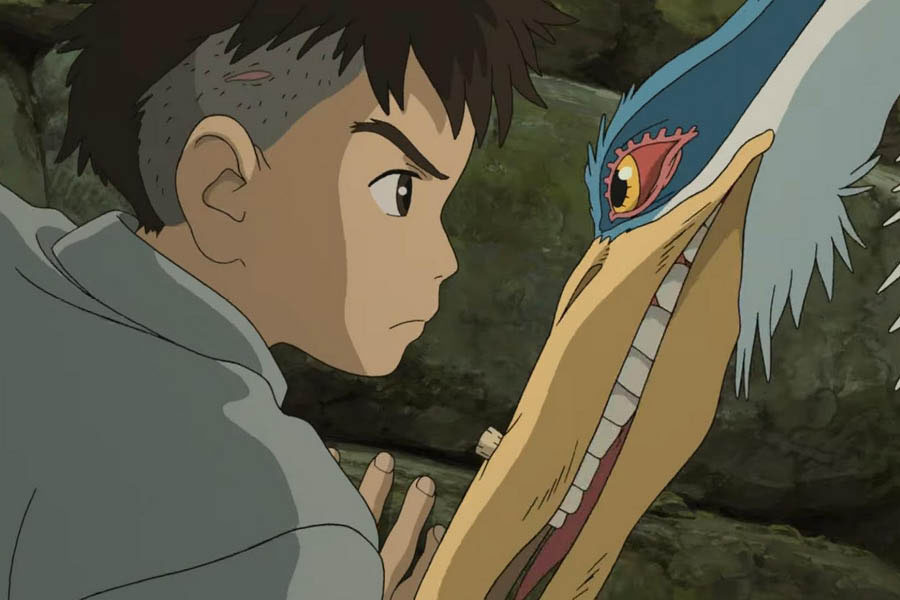
Touted as the veteran Japanese filmmaker’s final Studio Ghibli project, The Boy and the Heron bagged the Best Animated Feature award at the 96th Oscars