TT Epaper
The Telegraph
 
IN TODAY'S PAPER
WEEKLY FEATURES
CITIES AND REGIONS
ARCHIVES
Since 1st March, 1999
 
THE TELEGRAPH
 
 
CIMA Gallary

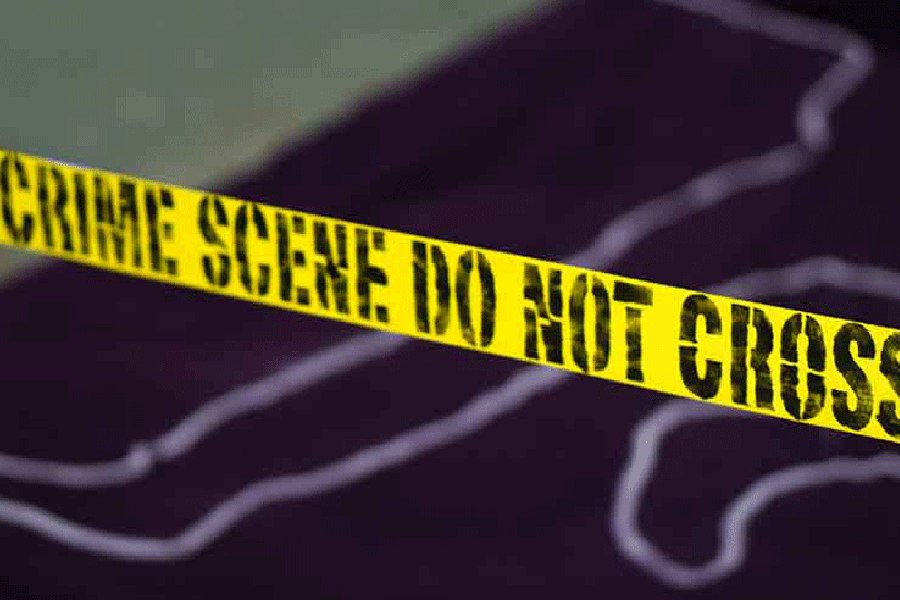
Cops on prowl at fake crime scene

Evidence, strewn around in various forms in a crime scene, is of crucial importance in nailing a culprit.

Hence, collecting such evidences in a systematic manner, following proper procedure, is of utmost importance in building a watertight case against the criminal.

Thursday, the third day of the ongoing Jharkhand State Police Duty Meet, was, therefore, dedicated to this: as many as 38 policemen from various parts of the state spent their day scouring a fake crime scene at Tikku Hall on JAP-1 premises and collecting evidences using methods prescribed in the police mannual.

They were to wrap up the entire task, which included collecting, packing and labelling the items, in one hour after which the 38 boxes were handed over to officials of the forensic science laboratory (FSL).

Syed Bashir Ahmed, a forensic expert associated with the state forensic laboratory, was the judge.

The crime investigation department, which is organising the event, gave the policemen gloves, tongs, spoon, envelopes, filter paper, cotton and candles for the test. Evidences that are generally found at a crime scene like bloodstain, semen, throat swab, pistols, splinters of explosives, bangles, medicines and other items were strewn around the spot and the policemen had to pick up each of them carefully and put them in separate envelopes. Thereafter, they had to place all the items in a plastic box and attach proper documents mentioning their names.

“The skill of lifting, packing and forwarding evidence collected from a crime scene is crucial in detecting crime and ensuring conviction. An evidence that is collected without disturbing its originality and kept in safe condition gives correct result. Hence, the fake crime scene had evidences related to murder, rape, blast and poisoning,” Ahmed said.

He added that as the evidences were handed over to FSL, which accepts samples only sent by the court, the men had to prepare a forwarding letter.

For the policemen, the task was both challenging and exciting.

“I collected vomit of blood, medicines and broken bangles. Such evidences are usually found in a suicide case. I have done well in the test,” said inspector V.P. Choudhary of Latehar.

A separate “police portrait” test was also held, which examined the participants’ ability to observe the face of a criminal so that a sketch could be prepared. A total of 24 policemen, including constables and assistant sub-inspectors, participated in this category.

They were given five minutes to observe a constable of the crime investigation department, who is not much known, and then asked questions on the man’s appearance for about 45 minutes.

“I had the idea that one should start observing a suspect from his hair style and gradually focus on his face, forehead, eyes, nose, ear and chin. I applied the same trick,” said assistant sub-inspector Arvind Kumar.

The Jharkhand State Police Duty Meet is organised every year to promote scientific investigation among policemen dealing with various types of crime. The best three from each event will make it to the All India Police Duty Meet.