|
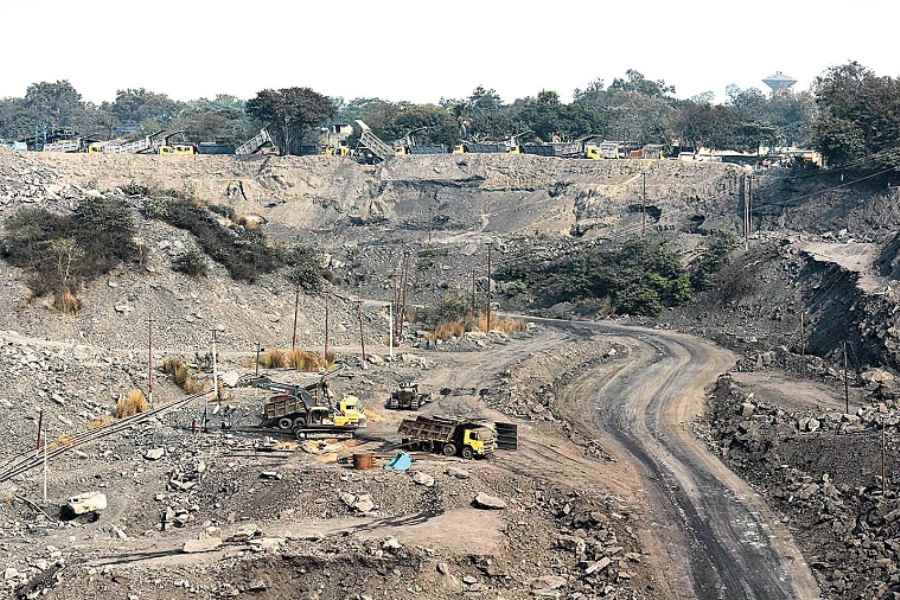
Kohima, Sept. 26: The Nagaland government has decided to establish a Naga Petroleum Academy to train youths in skilled and unskilled, technical and non-technical jobs and other work related to the petroleum and natural gas industry.
The government is trying to resume oil and natural gas exploration and extraction in the state, which had stopped way back in 1994 after opposition from the Naga organisations and militants over royalty issues.
The Assembly recently passed the Nagaland Petroleum and Natural Gas Regulations Act, 2012.
According to the regulation, the individual who owns the land beneath which petroleum and natural gas resources are found would be the owners in whatever form they are extracted.
Moreover, no owner of similar natural resources in Nagaland, whether an individual or a village body or the state government, would alienate land or such wells in favour of a non-Naga or a company.
However, they may give consent to a non-Naga or a company to access the land, oil and gas well for pre-production, production and post-production operations in a zone, which would be reverted to the owner at the end of operations.
To resume oil exploration, the government would soon commence the process of awarding the zones to suitable companies according to the cabinet sub-committee on petroleum and natural gas.
“An organisation shall commence work in the respective zone within a year of issue of the permit, failing which the permit shall automatically cease to operate, and thereof it shall not be given to the errant company, but to a new company,” the draft stated.
The draft also said, “No part of the crude oil or natural gas extracted here would be transported out of the state without being refined or bottled or converted into marketable products and by-products within Nagaland. This will be done as part of post-production operations, subject to the production limits required for setting of such refinery.”
The company operating would name the petroleum and natural gas products and by-products by prefixing to the brand name “Naga”, failing which it would be deemed as violation of regulations.
The company would compulsorily reserve 33 per cent jobs for unskilled category and 10 per cent of the non-technical white collar jobs for Naga youths from the respective of oil and gas-bearing districts in all pre-production, production and post-production operations. Interestingly, the oil companies would also operate according to the Naga customary laws as mentioned in Article 371A of the Constitution, where the land and its resources and customary practices belong to the people.
The companies would have to give an undertaking to the state government that it would bind itself to the Naga customary laws of the respective tribes. A high-powered committee headed by the chief minister comprising ministers and chief secretary would monitor the regulations.
The committee would also be set up in the district-level, which would include deputy commissioner as the head and representatives from indigenous hohos and landowners.
|