|
The government has woken up. After an inordinately long time, the government has finally mustered enough courage to announce a slew of reforms, all of them politically unpopular. It set the ball rolling by raising the price of diesel by Rs 5 per litre and capping the subsidized use of liquefied petroleum gas to six cylinders a year for each household. It took perhaps even more courage to announce the relaxation of rules governing foreign direct investment in multi-brand retail and aviation. Foreign supermarket chains such as Tesco and Walmart can now set up shop in India in partnership with a local firm, while foreign airlines such as Lufthansa and Emirates — both of whom have a large presence here — can now buy up to 49 per cent stake in domestic airlines. Finally, the Central government has also announced plans to sell part of its shares in some profitable public sector enterprises.
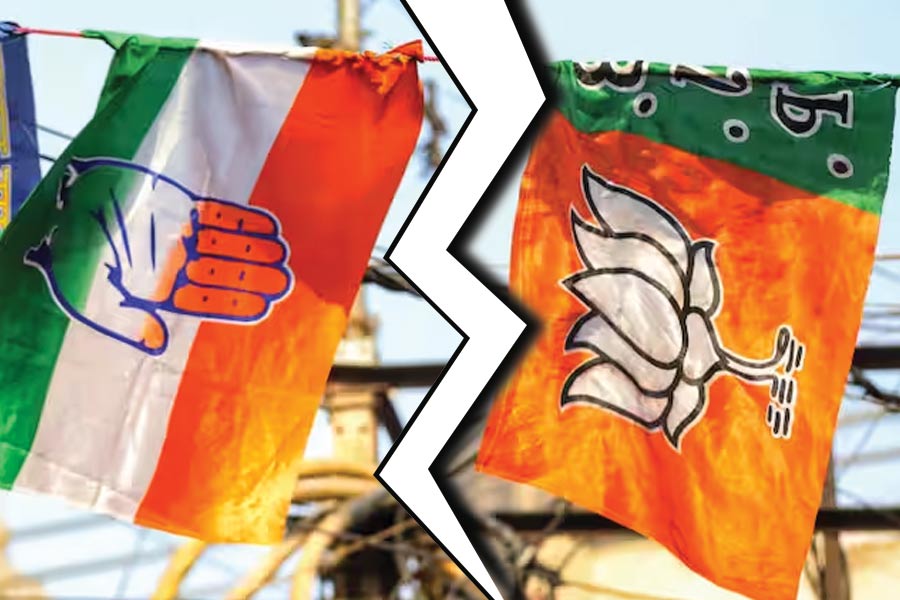
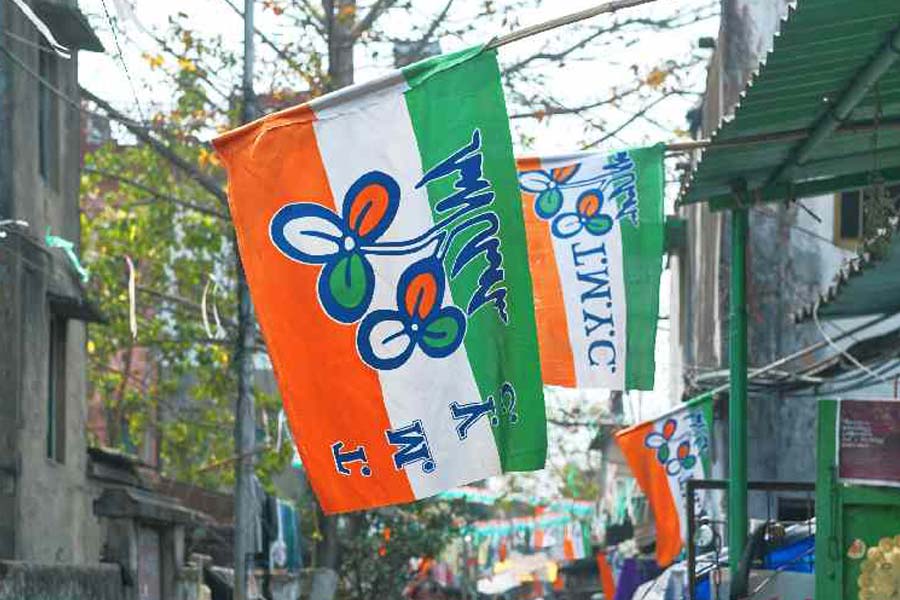
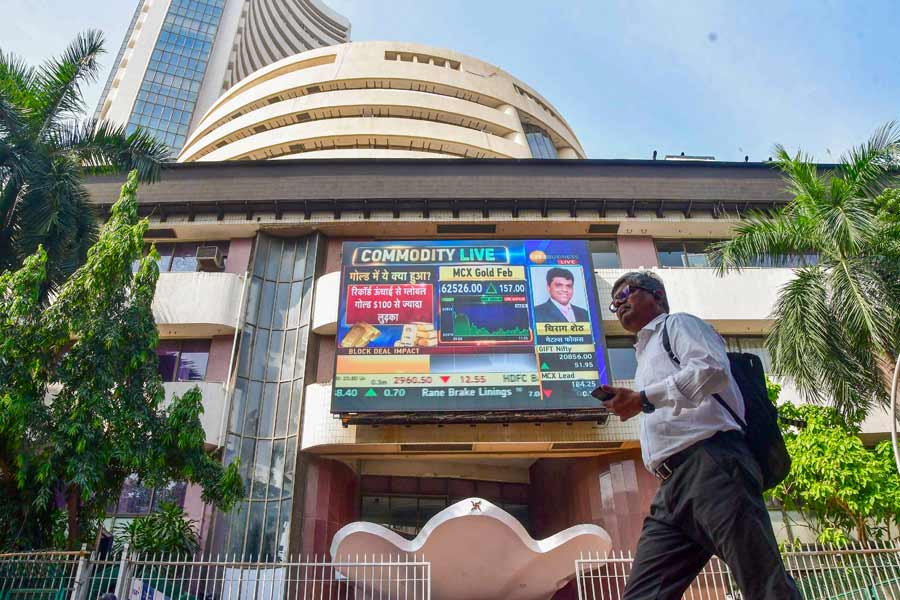
The reaction has been along predicted lines. The corporate sector has welcomed these reform measures wholeheartedly. In fact, the sensex shot up quite dramatically in response to the news about the diesel price hike. In stark contrast, all non-Congress parties, including members of the ruling United Progressive Alliance, have protested vehemently. The Bharatiya Janata Party and Left parties have called for day-long agitations throughout India. The Trinamul Congress gave the Congress a 72-hour deadline to withdraw these measures, and has announced its own withdrawal from the coalition since this has not been done so far.
The government may be able to withstand pressure to withdraw the measures relating to relaxation of FDI. First, no party really cares very deeply about FDI in aviation — parties protest partly because FDI resembles a red rag to a raging bull, and partly because they believe that it is the right of Opposition parties to oppose anything the government proposes. Second, the government has been rather clever about the significantly more contentious issue of FDI in multi-brand retail. It has declared that it has decided to take only “enabling” action since the actual implementation of the decision depends on each individual state. So, for instance, Mamata Banerjee can decide not to allow the entry of foreign supermarkets in West Bengal. Indeed, the Kerala chief minister has already announced that Kerala will not implement this measure in his state, and this in spite of belonging to the Congress. This seems the right decision to take in a federal structure — letting each state decide whether to go ahead with the change or stay with the status quo.
Of course, the fact that these measures are economically sound — indeed, ones that should have taken place long ago — is completely irrelevant in the current political scenario. Consider, for instance, the following figures. The combined fiscal deficit of the state and Central governments is projected to be 9 per cent of the gross domestic product. The Central government’s share alone is likely to be 6 per cent. Compare this with the budget estimate for the current year of 5.1 per cent and one gets some idea of the severity of the fiscal crisis engulfing the Indian economy. The slowdown in the Indian economy persists. One implication of this is that the growth in the government’s tax revenues will also be sluggish. After all, if companies do not produce in sufficient volumes, then their incomes and correspondingly the amount of tax they pay on their incomes will not be very high. Low volumes of production are typically associated with low levels of consumer spending. But, if not much is bought and sold, then the corresponding amount of indirect taxes is also small.
With government revenues likely to stagnate or, at best, creep up in baby steps, the only way to restore the fiscal health of the Central government is to slash non-plan expenditure. There is no hope of being able to achieve this unless it slashes expenditure on various subsidies. Since very few will advocate any reduction in the food subsidy bill, the only candidates for a reduction in the overall subsidy bill are petroleum products. Again, no government will increase the price of kerosene since this is perceived to be the ‘poor’ woman’s fuel. But, what about LPG, the subsidy on which is a whopping Rs 370 a cylinder? Or diesel, which is subsidized to the extent of Rs 12-13 a litre?
In a country where a sizeable fraction of the population lives below the poverty line, it stretches the imagination quite a bit to think of an increase in the price of LPG cylinders having any effect on the lives of the ‘common’ man. The price of diesel, on the other hand, does affect virtually everyone. Any increase in diesel prices will increase the cost of transportation and ultimately the price of food items. But, those who use this as an argument to maintain the subsidy on diesel completely ignore the fact that all citizens, including the vast numbers of the rural poor who consume locally grown food, have to bear the cost of the subsidy. Effectively, they are subsidizing the urban rich gallivanting about in diesel- guzzling SUVs. The money saved on the diesel subsidy bill can obviously be spent in a targeted manner for the poor.
One of the more contentious policy options in recent years has been the issue of opening up the retail sector to foreign multinational companies. The entry of the Tescos and Walmarts will transform the entire retail sector, bringing large benefits. The presence of multiple layers of middlemen results in very inefficient supply chains — it takes a long time for rural produce to reach urban consumers. The lack of proper refrigeration means that huge amounts of fruits and vegetables have to be thrown away simply because they rot. These middlemen also capture a large part of the profits, so the rural producers typically get only a small fraction of the price paid by the final consumers. Large supermarket chains reap the benefits of economies of scale. They invest in properly refrigerated warehouses, eliminate middlemen and so improve the supply chain.
Evidence from abroad suggests that fresh food prices are lower in supermarkets than they are in the local corner stores. So consumers are almost certain to benefit if supermarkets do come up. Nor do farmers lose out. The real losers are the middlemen, and, far more important, the owners and employees of the local stores. To a large extent, this is a short-term problem since supermarkets would also have to employ large numbers of workers. Governments which allow supermarket chains in their states should ensure that supermarkets hire employees of those local shops which are forced to close down.
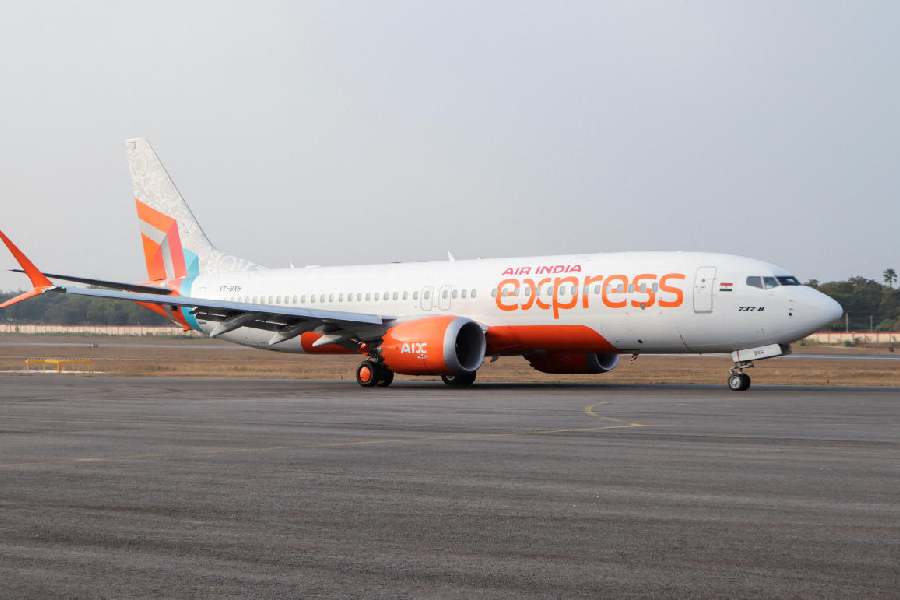
The relaxation of rules regarding FDI in aviation will help cash-starved airlines like Kingfisher. There is also the possibility that foreign airline partners could bring in some managerial expertise. But, this is not going to be a game-changer for the Indian aviation sector since its main problems lie elsewhere, the high cost of aviation fuel being one of them. So, there is a fair bit of froth and less of substance in this move. Or perhaps the government is using this measure as a low-cost way of signalling that it is serious about pursuing reforms.
As I write this, it seems to be a case of the Congress versus the rest. But surely, no one will take the Congress seriously if it capitulates completely. What concessions is it willing to make and what concessions will be acceptable to the rest? Much will depend on who blinks first. |