TT Epaper
The Telegraph
 
IN TODAY'S PAPER
WEEKLY FEATURES
CITIES AND REGIONS
ARCHIVES
Since 1st March, 1999
 
THE TELEGRAPH
 
 
CIMA Gallary

Rahul versus Modi? Congress split on duel

Rahul Gandhi

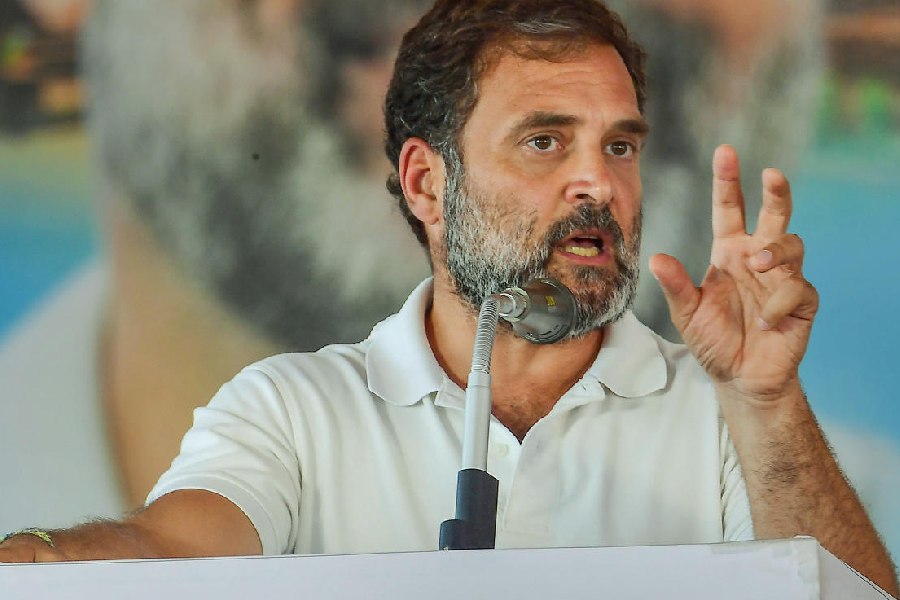
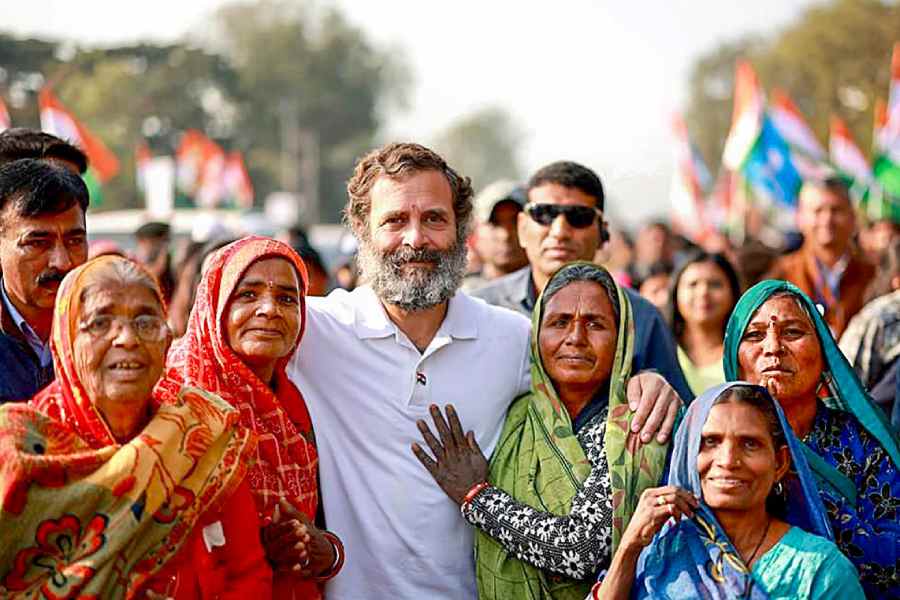
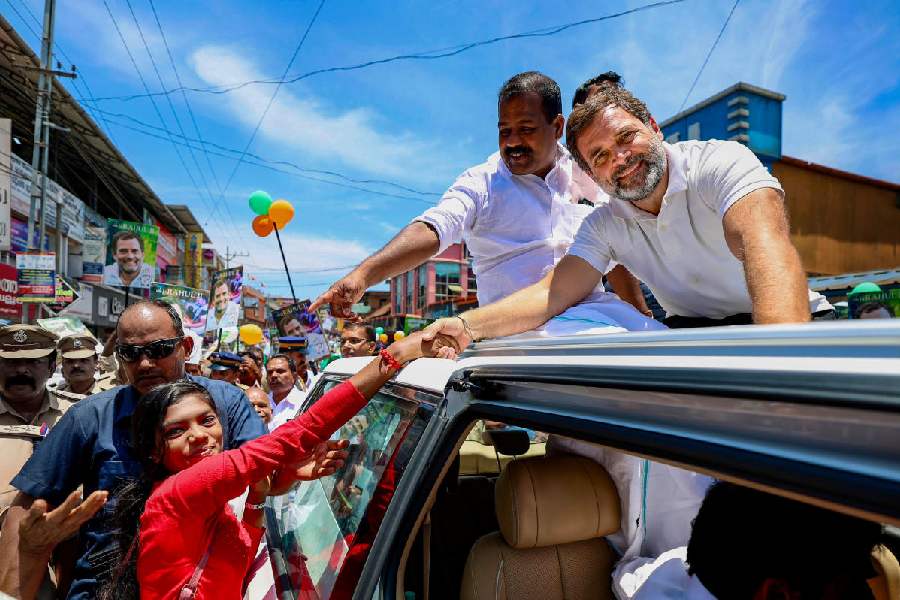
New Delhi, Sept. 13: Question marks over the political skills of Rahul Gandhi that gained credence after the electoral debacle in Uttar Pradesh have created widespread unease among the Congress rank and file but many leaders believe the sole suitable response was sustained and deeper involvement in the process.

The immediate trigger for the debate is the growing perception that Rahul was reluctant to assume a larger role and still not ready to join the government.

Another matter that has worried the party is an attempt by a section of the high command to convince Rahul that he should restrict his involvement in the coming Gujarat election on the premise that locking horns with Narendra Modi at this stage would not be politically prudent.

This section is arguing that the Gujarat election should be fought on bread-and-butter issues like agrarian distress and water crisis and no room should be given to the BJP to turn the poll into a Rahul-versus-Modi personality clash.

Questions about a Modi-Rahul duel draw bland replies from spokespersons, mostly woven around the Congress leader’s national responsibilities as compared to Modi’s Gujarat-centric political existence.

These leaders feel the BJP would like the Modi-versus-Rahul discourse to peak now as the Gujarat battle is going to be easier compared to the national election and a Congress defeat now will severely dent the younger leader’s image.

Congress spokesperson Manish Tewari said: “The Gujarat leadership of our party is competent enough to fight Modi.” But this attitude has riled many in the party, both senior as well as the younger lot, and they see this strategy as a ploy to strengthen the negative perception about Rahul’s abilities. They feel that Gujarat should be taken up as an opportunity and a strong campaign by Rahul would send a positive message to the secular citizens and minorities of the entire country, irrespective of the outcome of the election.

One young party MP told The Telegraph: “It is bound to be Rahul-versus-Modi sooner or later. Why run away from it? Nobody will buy the logic that Rahul is a national leader and hence did not confront Modi head-on in Gujarat. This is a silly argument. People will say and believe Rahul got scared. Whoever is asking Rahul to restrain himself is acting against his interest and the party’s interest.”

One AICC secretary said: “Are we going to make this Modi-versus-Modhwadia, Modi-versus-Mohan Prakash and win? The issues of public concern like water and power crises, farmers’ woes and corruption will have impact if Rahul raises them. It is not for the party to believe that Rahul failed in Uttar Pradesh. He did not. His powerful campaign prepared the ground for Mayawati’s ouster though Mulayam reaped the benefit because the Congress organisation was weak. Even Mayawati acknowledged this.”

Some leaders are so angry that they feel Rahul is being deliberately fettered and given wrong advice.

A young minister said: “Whatever chance the Congress has in Gujarat will be lost if Modi exploits this message that Rahul has escaped from the battlefield. The Congress would have been destroyed had Indira Gandhi not fought like she did after 1977. Rahul can redeem himself only by relentless struggle, not by showing withdrawal syndrome.”

Some leaders reveal in private conversations that a part of the central leadership has already conceded that the Congress will be out of power soon and hence does not want to antagonise someone like Modi. If there is any truth in this self-defeatist plan, the party will face a conflict within as there are still a large number of leaders, particularly the young, who are determined to fight.

So far, the plan is to restrict Rahul’s role, though he will address a few rallies in the state. Even state leaders have been advised not to indulge in secular-communal rhetoric, despite the horrors confirmed by the recent Naroda Patia verdict, and focus on issues like favours to industrialists, agrarian distress, water and power crisis, law and order problems, housing for the poor and corruption.