TT Epaper
The Telegraph
 
  This website is ACAP-enabled
IN TODAY'S PAPER
WEEKLY FEATURES
CITIES AND REGIONS
ARCHIVES
Since 1st March, 1999
 
THE TELEGRAPH
 
Calcutta Weather
WeatherTemperature
Min : 27.40°C (+1)
Max : 33.20°C (+1)
Rainfall : 11.40 mm
Relative Humidity:
Max : 97.00% Min : 68.00%
Sunrise : 5:21 AM
Sunset : 5:55 PM
Today
Rain or thundershower may occur in some areas. Maximum temperature likely to be around 33°C.
 
CIMA Gallary
Advertisement

On your marks... for marks

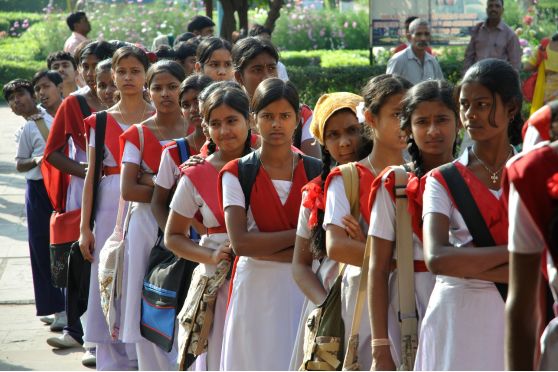
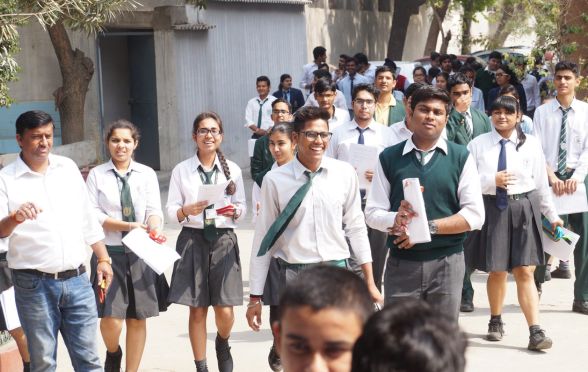
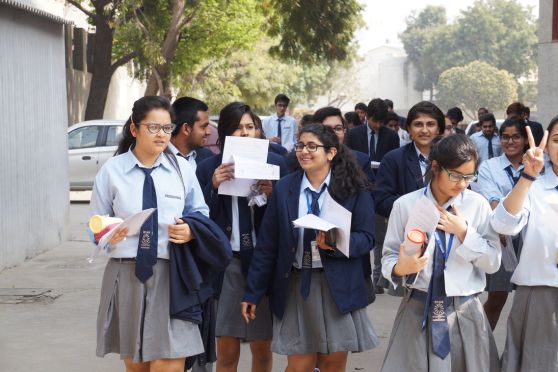
New Delhi, Aug. 30: The Union sports ministry has put up for public discussion a proposal to grant up to 3 per cent marks to school students for physical fitness.

The plan to add the marks to the academic scores has been drawn up with the twin objectives of hunting future sports talent and making Indians healthier.

Union sports minister Ajay Maken today released a draft document proposing a National Physical Fitness Programme that would test children’s physical fitness from Class V onwards and link their performance with academic achievement.

According the plan – which the minister said would be motivational rather than coercive-- students will be assessed for their body mass index values, cardio-respiratory endurance, muscular strength and endurance, flexibility and explosive strength. The performers in both genders would earn marks that may be converted into academic grades. (See chart)

Some doctors who treat lifestyle diseases welcomed the plan but others, including some parents, appeared uncomfortable at mixing academic scores and fitness.

The draft proposal is available on the website www. http://yas.nic.in. The general public and the stakeholders can submit suggestions and comments for the next 30 days (email address in chart).

The fitness assessment scores will be linked to a student’s age and gender. A 12-year old boy who performs 56 “curl-ups” or modified sit-ups -- testing muscular strength and endurance -- in 60 seconds would be graded “very good”, a 10-year old girl who performs 47 curl-ups would also be rated “very good”, but a 15-year old boy who manages only 28 curl-ups would be graded “very poor”, according to a document released by the sports ministry today.

In another example, a 15-year old boy completing a mile-long run in 6.01 minutes would be rated “very good” while a 10.37-minute run would be dubbed “very poor”. A 13-year old girl will have to run a mile in 7.01 minutes to be graded “very good”.

“This is an excellent idea -- fitness should be part of the academic programme,” said Anoop Misra, director of the department of diabetes and metabolic diseases at Fortis Hospitals, New Delhi, who has monitored obesity levels in Indian adolescents. “Our schools have largely forgotten athletics and fitness,” Misra said.

But a senior sports doctor cautioned that students would need medical examinations before being asked to engage in strenuous exercises. “Ideally, there has to be a medical exam before such tests,” said Ashok Ahuja, former head of sports medicine at the National Institute of Sports, Patiala.

The students’ performance would be graded through assessment forms designed by the Lakshmibai National University for Physical Education, Gwalior. Maken said he would like the programme to serve as a “talent hunt for youngsters” who could be groomed into India's “future sporting stars”.

“This programme will motivate our young people to try and stay fit,” said a senior faculty member at the Lakshmibai National University, Gwalior. “And that will help India through a healthier population,” the faculty member said, requesting anonymity.

But the move to add fitness scores to academics is “a bit odd”, the Gwalior faculty member said. In most educational institutions in several countries, including India, sports achievements add weightage in the overall assessment but academic scores remain distinct component of the assessment process.

Sections of parents appear uncomfortable with the proposal. “Fitness is determined by many factors, extra marks for students who perform well in fitness tests would be tantamount to discriminating against children unable to display similar fitness,” said Sudhir Sapra, managing trustee with Sajag, a non-government agency in Gwalior, campaigning for lighter school bags for children.

“Motivating students towards fitness is a great idea -- but those found promising should be screened, and encouraged through better training, coaching and other facilities to groom them as sports stars,” Sapra said.

But diabetologist Misra says the benefits of the programme would far exceed any implications that emerge from poor-performing students not earning extra marks of 3 per cent.

“There are many other reasons why students will lose marks in academics,” he said. “Over time, such a policy could lead to healthier population, which would have economic benefits for individuals and for the nation,” Misra said.

Some sports medicine veterans, however, point out that earlier sports talent search initiatives had failed to yield stars. “We had a national sports talent contest scheme that spent a lot of money, and ran for about a decade,” said Ahuja. “But it failed to deliver stars -- mainly because of lack of follow-up (sports training) initiatives.