|
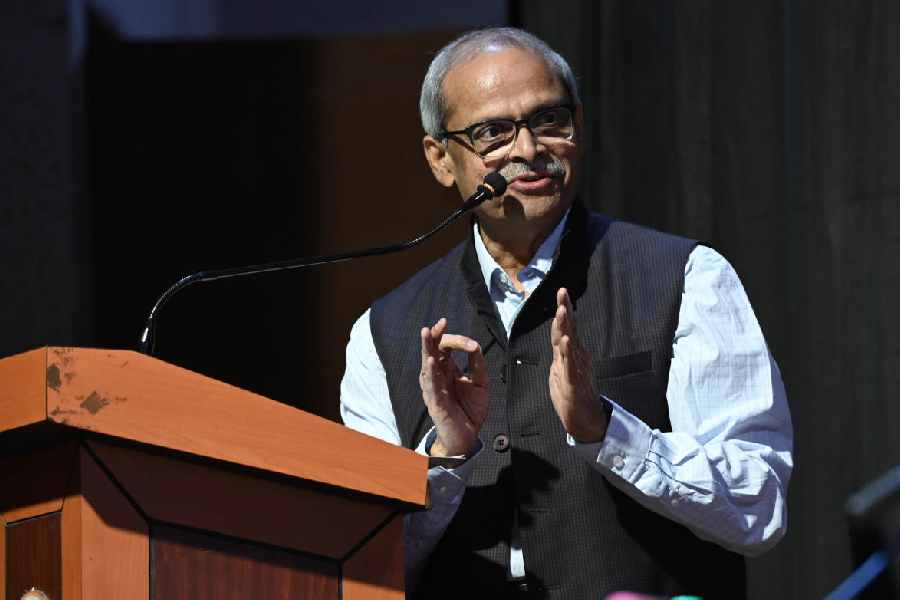
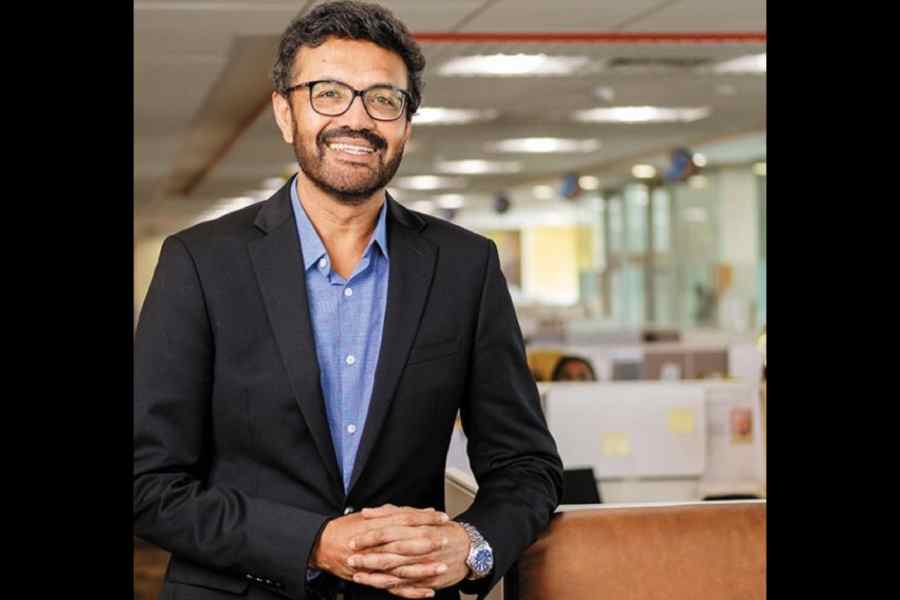
The stock markets are likely to remain range-bound till the end of this calendar year as investors await more measures from the Union government while the Reserve Bank stays put on interest rates, believes Dinesh Thakkar, chairman and managing director of Angel Broking. Speaking to Vivek Nair of The Telegraph, Thakkar, however, adds that stocks will regain their upward trajectory after December and the Sensex can hit the 19500-mark by the end of March 2013.
Q: What is your take on our equity markets right now?
A: At present, the markets are facing lots of hurdles in terms of growth rate not being to the tune of what India can actually achieve. It is also in the midst of other concerns such as inflation, interest rates and corporate results which are expected to be lacklustre. Hence, the market is taking its own time to decide on which direction to move.
Q: What is your outlook for the months ahead?
A: The outlook is slowly and progressively improving. At the global level, the primary concern was the euro. I think the issue is, for the time being, behind us. The US appears to be slowly getting back to its growth trajectory. Thus, for the time being global issues are behind us and it cannot go bad from here.
Coming to domestic issues, big hurdles for our economy to grow were high interest rates and commodity prices. With global consumption being lower, I expect commodity prices to remain low. As far as interest rates are concerned, I feel the RBI will have an elbow room to reduce rates by December or January.
Until that time, the markets (Nifty) will remain sideways, between 5000 and 5500 being the resistance. But, if you look at the outlook, after one or two quarters from here, it appears that the market will start its rising trend and can give a return of not less than 14-15 per cent on a year-on-year basis.
Q: So one can only expect a rally after December this year?
A: I expect companies which are affected by high interest rates and high commodity prices such as automobiles, real estate and capital goods will see a decent business growth and improvement in margins in the last quarter of this fiscal. So, if we look at 2013-14, it appears it will be far better than 2012-13. By December, we can see lots of interest from foreign investors in our market and this will bring it to the 5800-5900 level by March-end. The Sensex can then be in the range of 19000-19500.
Q: In such a case what should the investor be doing now?
A: The investor should stagger his investments from here to December and till March. He will then reap its benefit over the next three to five years.
Q: What are the sectors that investors should look at?
A: The past two-three years have seen investors getting good returns from defensive sectors such as IT, FMCG and pharma. Right now, if we look at the valuations of FMCG or the defensive sector, they appear to be rich. Investors should be over-weight on rate-sensitive sectors such as banking, capital goods, auto and infrastructure. It’s not that defensive will not give returns, but as interest rates come down by December, one can get a better return in rate-sensitive sectors.
Q: What about Reliance Industries Ltd?
A: For the time being, investors should avoid companies such as RIL.
Q: Is it company- specific or an industry issue?
A: It is more company-specific. RIL has been unable to work out a plan to deploy its cash. At the same time, they have not come out clearly what they are going to do with this cash. Either they deploy it in a business that can give a return of 14-15 per cent to investors or they give it back to investors in the way of dividend. In the absence of this policy, we would like to stay under-weight on this company.
Q: Speaking of valuations, few such as HDFC Bank look expensive and yet the stock is not showing any major signs of tiring.
A: Private banks have performed better in terms of the way they have managed NPAs. So, they will deserve better valuations. If we look at their growth and return on equity, its better than the Sensex companies. That means this sector will always command a premium to the Sensex.
HDFC Bank has a better loan book and has a successful model in retail lending, which is a high margin business. It has maintained low level of NPAs. So, it’s an entry barrier business which is difficult to replicate and scale up. HDFC Bank will always command a better premium than other private banks.
|