TT Epaper
The Telegraph
 
IN TODAY'S PAPER
WEEKLY FEATURES
CITIES AND REGIONS
ARCHIVES
Since 1st March, 1999
 
THE TELEGRAPH
 
 
CIMA Gallary

Mulayam effect on Gilani

New Delhi, June 25: When India’s Supreme Court overturned a ruling by an Uttar Pradesh Speaker, it would not have known that its verdict would help unseat a Pakistan Prime Minister five years on.

Last week, the February 2007 judgment passed in New Delhi provided the Supreme Court in Islamabad with the ammunition to disqualify Yousuf Raza Gilani as MP, thus compelling him to resign as Premier.

Pakistan’s top court had needed to overturn a ruling in Gilani’s favour by National Assembly Speaker Fehmida Mirza: it did so citing as precedent eight past judicial verdicts that it said showed the apex court had the authority to review Speakers’ rulings.

Of the eight, two had been delivered by India’s top court. The Pakistani court’s brief order of June 19 merely named the cases — Rajendra Singh Rana vs Swami Prasad Maurya, and Jagjit Singh versus the State of Haryana —without mentioning details, which The Telegraph can now provide.

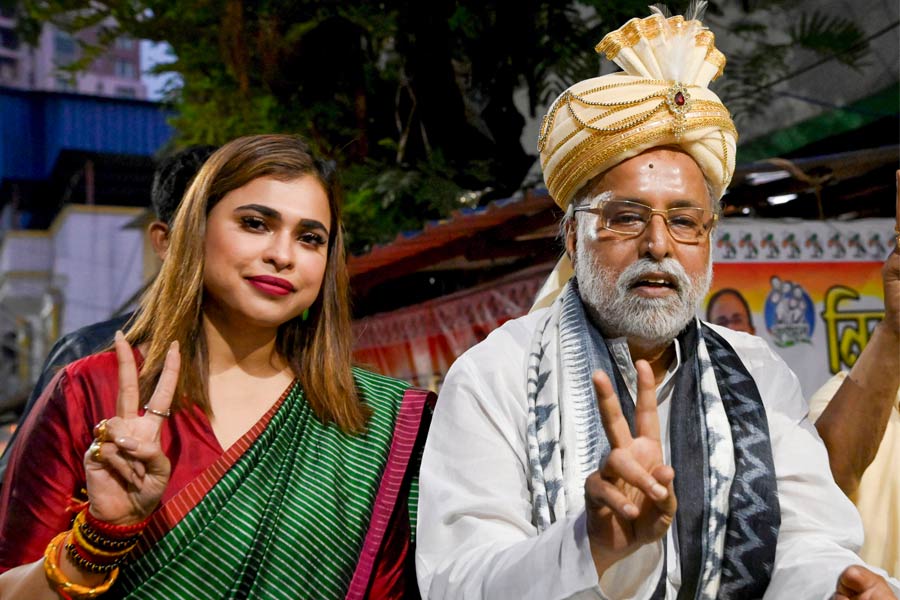
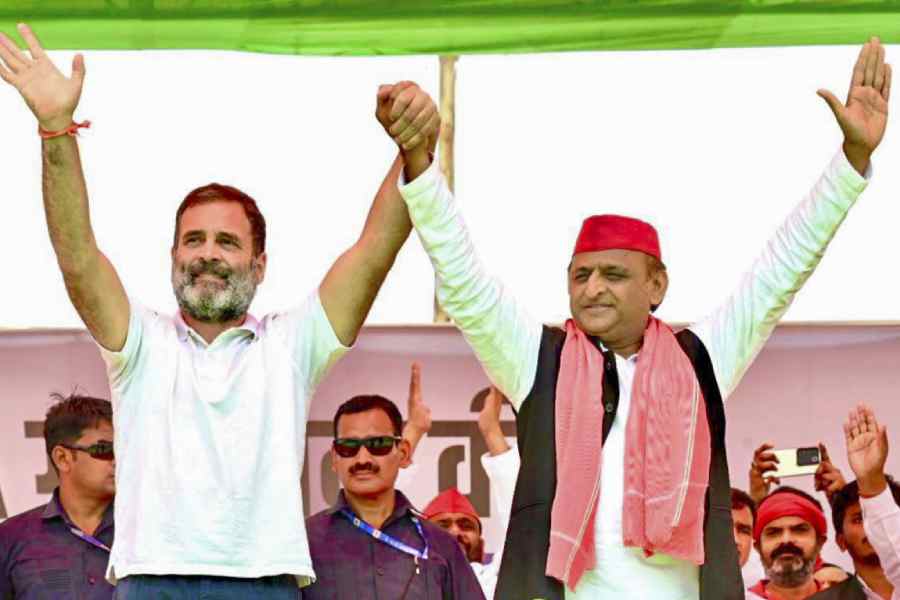
Mulayam (left), Gilani

Rana was one of 13 Bahujan Samaj Party members of the Uttar Pradesh Assembly whom the Supreme Court unseated under the anti-defection law after Speaker Kesri Nath Tripathi had refused to disqualify them.

These lawmakers had gone over to the ruling Samajwadi Party’s camp in August-September 2003, prompting BSP leader Maurya to seek their disqualification. The Supreme Court described Tripathi’s ruling as “blatantly illegal”.

Ironically, though the verdict has played a role in Gilani’s ouster, it did not cost Mulayam Singh Yadav his chief minister’s chair in February 2007. By then, Mulayam had already garnered enough numbers from Independents and outside supporters. Fresh state elections were just three months away, anyway.

The Jagjit Singh verdict came in December 2006. It upheld the Haryana Speaker’s June 2004 decision to disqualify Nationalist Congress Party member Jagjit who had walked out to form a new party, the Democratic Dal of Haryana.

However, the key point for the Pakistani apex court was that its Indian counterpart had claimed the authority to review the Speaker’s ruling, although it eventually agreed with him.

“The proceedings before the Speaker, which is also a tribunal albeit of a different nature, have to be conducted in a fair manner and by complying with the principles of natural justice,” the Indian Supreme Court had said.

In the Jagjit case, the Supreme Court had also sought to get Parliament to curb the Speaker’s powers.

It referred to the House a recommendation, made by the national commission to review the working of the Constitution, that the Election Commission and not the Speaker should have the power to disqualify a lawmaker. Parliament has not accepted the recommendation as of now.

By citing these verdicts, the three-judge Pakistan Supreme Court bench, headed by Chief Justice Iftikhar Chaudhry, wasn’t setting a trend. It is common practice for lawyers and judges to refer to judgments by top courts of other countries to support their arguments.

The Pakistan Supreme Court had on April 26 convicted Gilani of contempt of court and sentenced him to token imprisonment. However, on May 25, the Speaker ruled that Gilani need not resign.

Overruling the Speaker’s decision, the court cited these eight precedents last week to say: “This court, in exercising its power of judicial review, is not debarred from inquiring into the ruling given by the Speaker of the National Assembly.”


" "