|
 |
|
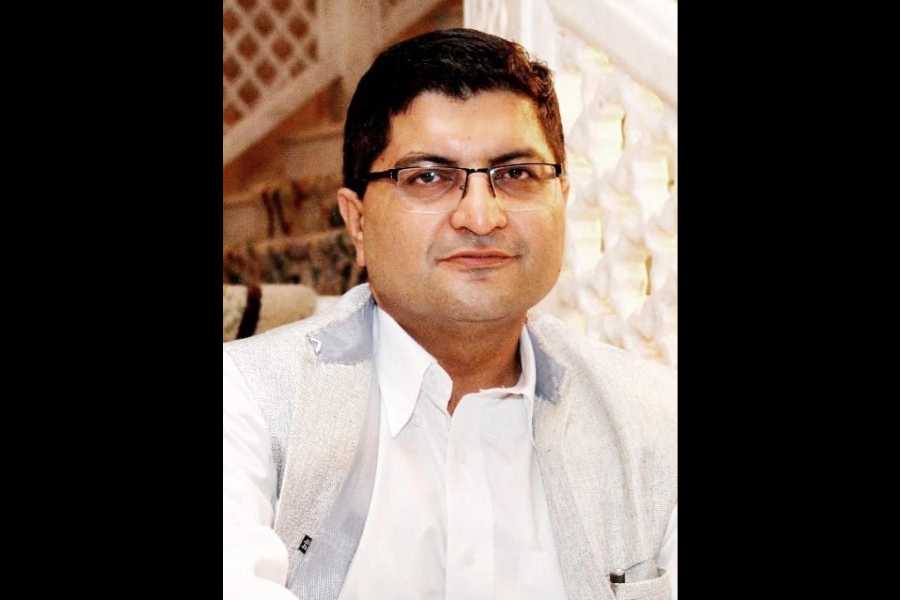
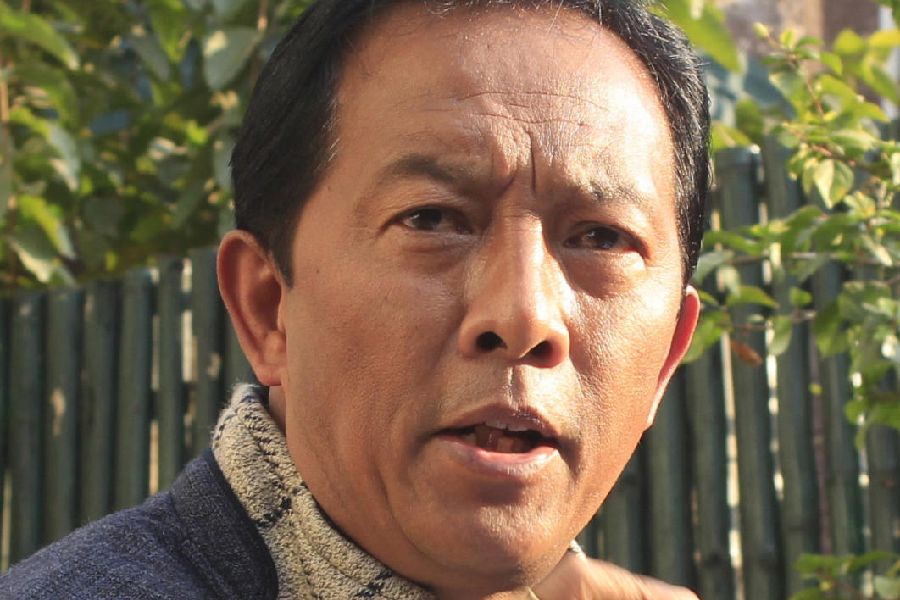
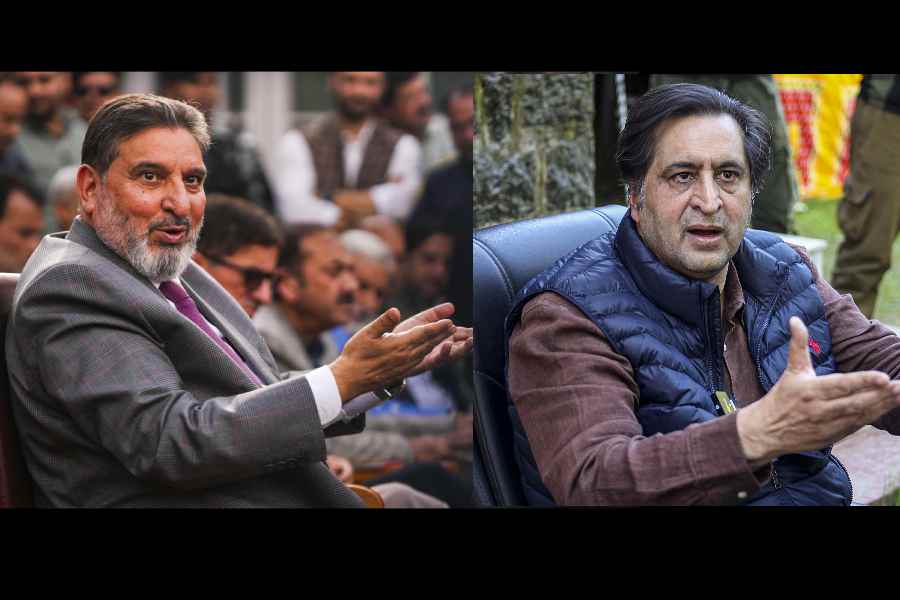
Madhavan Nair, (below) Isro chairperson
K Radhakrishnan |
New Delhi, Feb. 6: One of the two government probes into the cancelled satellite deal between Indias space agency and the private company Devas Multimedia has raised suspicions that former space officials had engaged in collusive behaviour to load the deal in favour of Devas.
Both government panels that investigated the deal have noted changes in the shareholding patterns of Devas that allowed some of its early shareholders to make significant profits by divesting part of their shares after signing the agreement.
The Union government had last year cited national interest and cancelled the deal under which the Indian Space Research Organisations (Isros) commercial arm, Antrix Corporation, was to provide transponders aboard Isro-satellites to Devas for multimedia and video services via satellite to mobile ground users.
The government also last month ordered that former Isro chairperson G. Madhavan Nair and three other retired space officials be removed from all government assignments.
Nair told The Telegraph today that he and the three officials had always acted in the interests of the nation and had viewed the Antrix-Devas deal as a venture into an area of new technology that was not widely available at the time — during 2004-05.
The panels have noted that Devas was established in December 2004 by US-based Forge Advisors with a share capital of Rs 1 lakh, and two shareholders — Venugopal D, a former Isro scientist, who had 9,000 shares and Umesh M, who had 1,000 shares, indicating a face value of Rs 10 per share.
The Antrix-Devas agreement was signed in January 2005, and by December of that year the ordinary share capital had increased to over Rs 5 lakh, with 12 shareholders, including three members of the team that had made presentations to Isro and two Mauritius-based entities.
By March 2010, Devas had 17 shareholders, including Deutsche Telecom, holding 20 per cent, the two Mauritius-based entities, holding 17 per cent each, and M.G. Chandrasekhar, another ex-Isro scientist, holding 19 per cent, with the largest holdings among other shareholders.
In 2007-08, Venugopal and the team divested part of their original shareholdings to the Mauritius-based entities and stood to earn a profit ranging from Rs 2 crore to Rs 7.4 crore each on the shares divested.
For Devas, a company with no asset base and no intellectual property or patent in the relevant technology, and making losses since its inception, to collect Rs 578 crore as share premium from foreign investors appears to be unusual and can only be attributed to the agreement that it had with Antrix, the panel chaired by former chief vigilance commissioner Pratyush Sinha observed in the report released by Isro on Saturday.
The other panel, with aerospace scientist Roddam Narasimha and former cabinet secretary B.K. Chaturvedi as members, has remarked that the original proposal envisaging development and innovation by former Isro scientists seems to have been diluted through these changes.
The entry of the foreign telecom companies with huge premiums indicated that they had used this as an opportunity to enter the Indian telecom market, the Chaturvedi-Narasimha panel said. This was not an intended purpose of the original agreement.
There have been not only serious administrative and procedural lapses, but also (a) suggestion of collusive behaviour on the part of certain individuals, the panel chaired by Sinha noted in its report.
The panel had recommended that an appropriate investigative agency should look into the extent to which the increase in share value has been encashed by the individuals, the shareholding pattern of the company and of the Mauritius-based entities.
|