|
 |
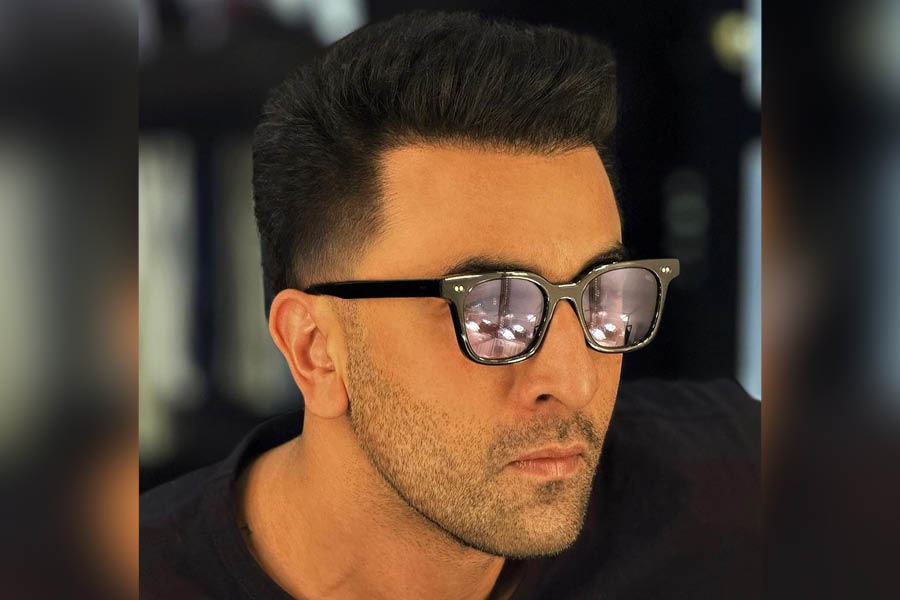
| Ranjan Mathai |
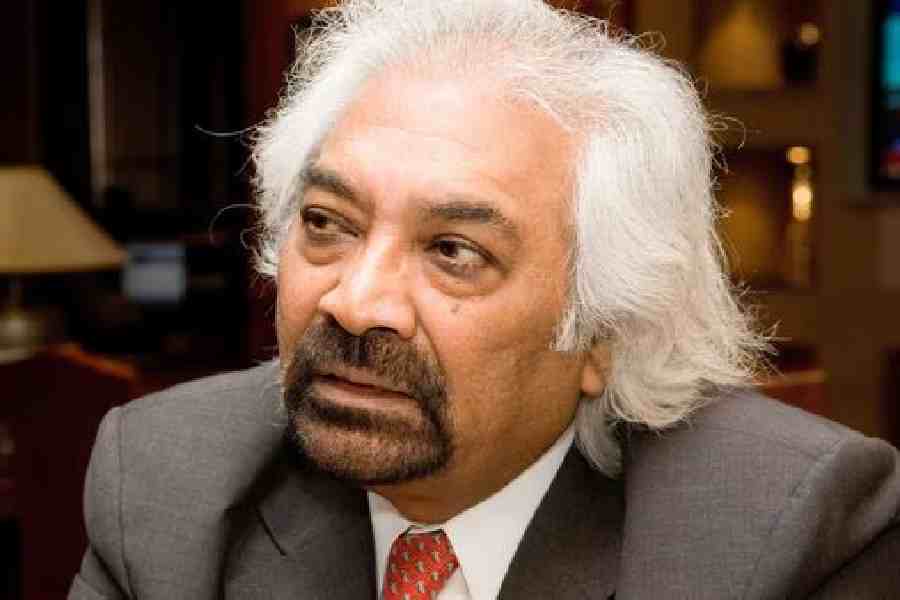
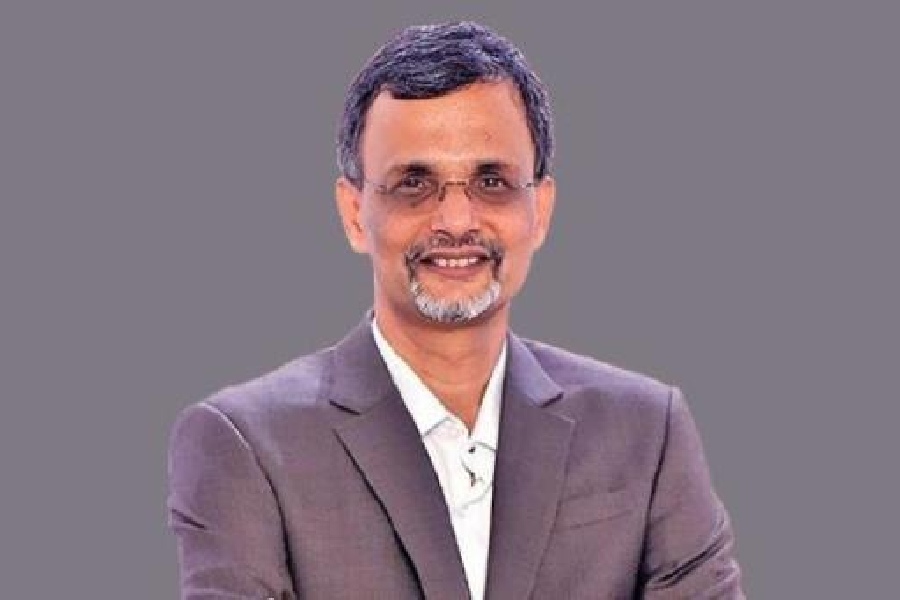
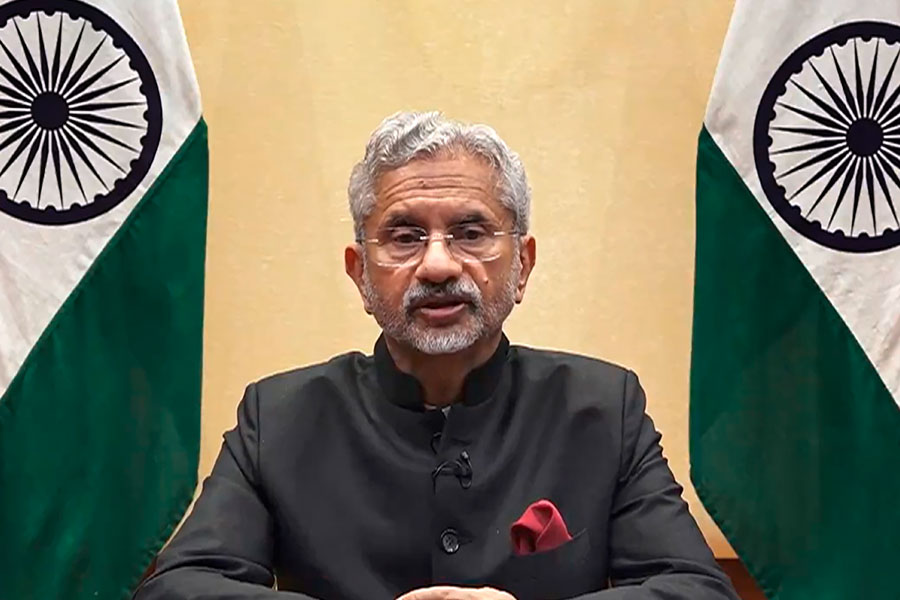
Washington, July 31: When Ranjan Mathai assumes charge on Monday as Indias new foreign secretary, it will be the first time that an ambassador to the second smallest country on the globe has been catapulted to the post of top diplomat anywhere in the world.
Very few people are aware that Mathai was appointed Indias first ambassador to the tiny principality of Monaco with an area of less than 2sqkm exactly three years ago.
But in our contemporary world of Page 3 celebrities, his choice as foreign secretary is mercifully not owed to reflected glory as having been a specially invited guest at one of the most talked about weddings in the new millennium.
Mathai was chosen to head the Indian Foreign Service a week before he became a celebrity in Francophone Europe as the sole Indian representative at the high-profile and controversial wedding of Prince Albert II of Monaco and South African Olympic swimmer Charlene Wittstock on July 1.
On the contrary, Mathai owes his elevation in the immediate context to four and a half years of persevering work to make Indias relations with France equal to New Delhis enduring strategic ties with Moscow.
In addition to his hat as envoy to minuscule Monaco, the incoming foreign secretary has been ambassador to France, one of the Big Five at the UN, since January 2007.
In the longer-term context, what went in favour of Mathai as successor to Nirupama Rao, who retired today, was his role as the architect of the Ganga river waters accord with Bangladesh in 1996, still held up as a model of co-operation in South Asia.
As joint secretary in charge of critical neighbours Bangladesh, Sri Lanka, Myanmar and Maldives 15 years ago, Mathai and his Bangladeshi interlocutor, Tariq Karim, then Dhakas additional foreign secretary for South Asia, steered the accord through political and technical minefields to a successful conclusion.
Together, they created an agreement which substantially allayed the decades-long suspicions in Bangladesh that India was conspiring to divert the Ganga waters and ironed out the problems associated with the construction of the Farakka Barrage. It was a feat that even a veteran like P.V. Narasimha Rao had given up on.
Karim is now Bangladeshs high commissioner in New Delhi and will be an insurance against unexpected turbulence in bilateral relations of the kind seen recently, given his deep personal rapport with the incoming foreign secretary.
Prime Minister Manmohan Singh, who is determined to repair the recent freak damage to ties with Dhaka, will no longer have to lose sleep over this problem. Mathai will see to it.
It is a sad reflection of the tyranny of seniority in civil services that when Mathai completed his tenure as joint secretary, his name was put up by the bureaucracy as ambassador to a very inconsequential country.
But I.K. Gujral, who was then running Indias foreign policy, was determined that Mathais role in crafting the Ganga waters accord should be rewarded. In one of the few good things that Gujral ever did for Indian diplomacy, he changed the nominations with his own pen and slotted Mathai as ambassador to Israel. The guardians of status quo in South Block were alarmed.
Gujral told this correspondent then that he decided to send Mathai to Tel Aviv even though it was his first posting as an ambassador because the IFS needed to break new ground and recognise those who could think outside the box.
In Tel Aviv, Mathai changed the substance of the bilateral relationship between India and Israel. His predecessor, Shivshankar Menon, now national security adviser, had painstakingly built a strategic and defence relationship with Israel which was to prove its worth in 1999 by turning the tide of the Kargil war when Tel Aviv secretly raced to New Delhis aid with critical military supplies.
It was Mathai who helped add an economic dimension to Indo-Israeli relations. He put his best foot forward in pushing the Israelis to accept Indian bids for big contracts.
When India won a contract for the construction of a new international airport against stiff global competition during Mathais tenure in Tel Aviv, multinationals which had put in their bids were stunned. He also pushed hard for information technology firms from back home to gain a foothold in Israel.
When 1,500 Indian farmers in dhotis and white caps that are common in rural Maharashtra descended on Israel one fine day for an agro-tech fair, Mathai, who grew up in Pune, ensured that they felt at home, mobilising Marathi-speaking Jews, mostly from Mumbai, to be with them.
Maharashtra, Uttar Pradesh and Punjab discovered the worth of Israeli drip irrigation methods which were used for greening their desert as a result of such farmer visits. Israeli collaboration with these states has radically altered the face of farm irrigation on their land.
For as far as one can remember, incoming foreign secretaries in South Block make their first visits either to Bhutan or to Maldives. Most of them go to Thimphu, in part because nothing can go wrong in Bhutan. It is always an auspicious start to an unpredictable tenure.
Mathai chose to accompany external affairs minister S.M. Krishna to Male on Thursday even though he was still foreign secretary-designate. The Maldivians saw in this gesture the sensitivities Mathai had developed as ambassador to the second smallest country in the world.
Maldives is in immediate need of not only Indian goodwill, but also assistance. This small nation made up of tiny atolls and reefs is to hold this years summit of the South Asian Association for Regional Cooperation, a huge challenge for Male.
Besides, Krishnas visit was the first by an Indian foreign minister in five years, the first since the landmark multi-party elections in Maldives. When Manmohan Singh attends the Saarc summit, he will be visiting Male for the first time as Prime Minister.
This correspondent spoke to sources in Male who attended Thursdays meetings and were struck by the comfort level between the external affairs minister and his new foreign secretary. They see in it signals of smooth co-ordination between the minister, the foreign secretary, and hopefully, the Prime Ministers Office.
But Mathai's strengths go beyond creating comfort levels with his immediate political bosses. He may turn out to be a sobering and healthy influence on the fractious politics of the day at least in relation to the ministry he heads.
The BJPs senior leader, Jaswant Singh, for instance, will be more patient and accommodating of Mathai than of any of his predecessors since Singhs foray into external affairs many years ago.
That is because Mathais father taught science to Jaswant Singh at the National Defence Academy in Khadakvasla. I know Ranjan since he was a boy, the BJP member of Parliament from Darjeeling said of the incoming foreign secretary with great affection.
Outside the world of diplomacy, Mathais passion is military history, something which equally endears him to men like Singh. Instead of chasing overseas postings, as IFS officers do, this passion took Mathai to the National Defence College on a longer-than-usual deputation when he was a deputy secretary.
But he returned to the external affairs ministry, where his colleagues say, the loss for the defence establishment was diplomacys gain.
|