|
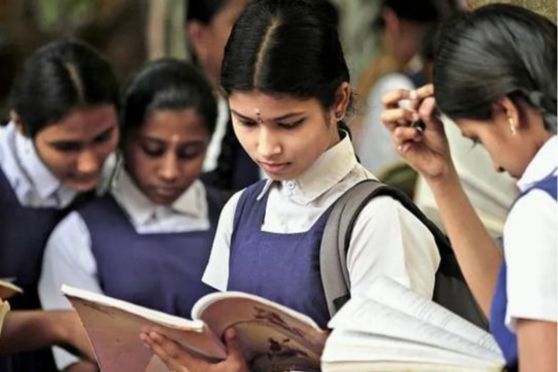
New Delhi, March 8: Indian students are spending abroad Rs 27,000 crore a year or more than twice the amount set aside in the Union budget for higher education, according to an estimate by the human resource development ministry.
The specific figure was cited in a note submitted by the ministry to a parliamentary standing committee that is vetting a bill to allow foreign universities into the country.
The ministry has put the expenditure incurred by Indian students for overseas education at $5.5 billion (Rs 27,000 crore) a year. The figure is more than double the Rs 13,100 crore the Union government proposes to spend on higher education in 2011-12.
At todays exchange rate of Rs 45 to a dollar, $5.5 billion converts to Rs 24,750 crore. To reach the ministrys figure of Rs 27,000 crore, the exchange rate needs to be Rs 49 to a dollar. The last time the rupee dipped to that level was in early 2009.
Weighed against the current total of 2.64 lakh Indian students studying abroad, the expenses per person on the basis of the ministrys estimate come to around Rs 10. 22 lakh. The figure — the per capita count is only an indicator as fees vary widely from college to college and country to country — is on the lower side, compared with the annual bill in many well-regarded universities in the West.
The ministry note does not say so explicitly but the suggestion behind the estimate appears to be a reminder that the country can keep back a part of the huge amount if foreign universities are allowed to operate here. The ministry has suggested several qualitative reasons for doing so.
But some academics have pointed out that not all students go abroad in pursuit of studies. M. Anandakrishnan, an educationist, cited the example of Australia which hosts nearly 90,000 Indian students.
He said many students were pursuing courses like hairdressing and cookery — some in substandard institutions — with the objective of settling down there. Most students going to Australia aim at permanent residency status. They want to migrate to that country as it provides better job opportunities, he said.
An HRD ministry official said the US remained the most favoured destination for Indian students. Nearly 1 lakh Indian students are pursuing higher studies in the US, followed by Australia and the UK (around 20,000). Some other destinations are Germany, France, New Zealand and Singapore.
There is another group of students who turn to foreign institutions after failing to get admission in good institutes in India. There may be very few students who want to go abroad for pursuing quality education in good institutions, Anandakrishnan said.
He said this trend of mobility could not be checked even after the entry of foreign universities into India.
According to the provisions of the Foreign Educational Institutions (Regulations of Entry and Operations) Bill, institutions with 20 years of standing in their home countries will be able to set up campuses in India.
The bill has been referred to the HRD parliamentary standing committee that met today. UGC chairman Ved Prakash and ministry officials deposed before the panel.
The committee wanted to take the views of the UGC on the regulatory framework. The committee will meet again to finalise its recommendation, Prakash Javadekar, a member, said.
The ministry cited two key reasons to justify the entry of foreign institutions.
It has told the committee that public expenditure on education stands at 3.78 per cent of the GDP. The government wants to increase the expenditure to six per cent of the GDP. It is expected that foreign education providers will be able to contribute towards enhancing the non-public investments in education.
The ministry drew the committees attention to the fact that research has been lagging behind in India. The government has to facilitate the entry of quality foreign institutions in the country in order to enhance innovation and research in emerging areas. The government feels that many researchers who want to migrate to foreign countries will stay back if world-class research facilities are made available in India.
The ministry has said a number of foreign institutions have already approached the government for setting up of campuses in India or collaborating with Indian institutions.
The US-based Virginia Institute of Technology has expressed a desire to set up a branch in India. It wants to set up research facilities in critical technology, bio-informatics and transportation studies.
|