|
 |
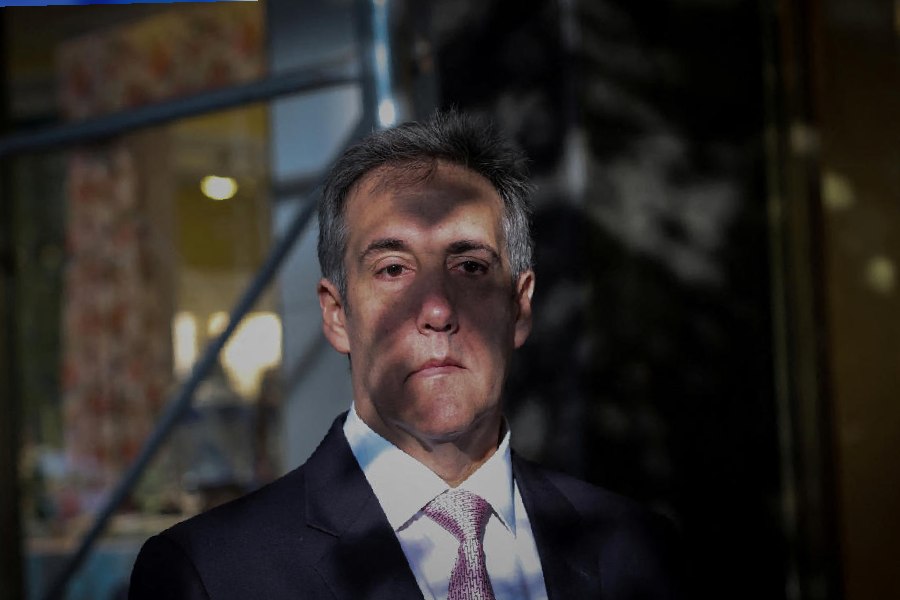
| Pandit Bhimsen Joshi (top), Gangubai Hangal |
Mumbai, July 18: Music has bridged a chasm that language created and nurtured.
Amid the inflamed passions over a 50-year-old Maharashtra-Karnataka border dispute, the Hubli-based family of legendary singer Gangubai Hangal has decided to confer the first lifetime achievement award in her memory to Pandit Bhimsen Joshi, who lives in Pune.
Joshi, 88, and Gangubai, who passed away a year ago aged 96, had, of course, learnt music together under Sawai Gandharvas tutelage and were like brother and sister, their family members said. Still, to many, the award may take on a symbolic significance at a time politicians are stoking emotions over Maharashtra being denied the Marathi-speaking areas of Karnataka.
Joshi represents, as Gangubai did, the Kirana gharana of the Belgaum-Dharwad-Hubli region, parts of which fall within the disputed area. The vocalist is now the sole living torchbearer of the musical legacy of the region that also produced Pandit Mallikarjun Mansur, Pandit Kumar Gandharva and Basavraj Rajguru.
The Pune-based Joshi was born in a Brahmin family in Dharwad, but Maharashtra has long claimed him as its own.
He speaks both Kannada and Marathi at home and accepted awards from both state governments — the Maharashtra Bhushan in 2002 and the Karnataka Ratna in 2005 — before the Bharat Ratna in 2009 stamped his status as a treasure belonging to the nation.
Gangubais grandson Manoj Hangal, reminded that the honour to Joshi comes amid an inter-state political controversy, said: We wanted to show that music is above these political considerations.
He added: When we asked her about the border dispute, Gangubai would say there are no boundaries of nationality, caste, colour or language for a musician. She herself always considered Mumbai her maher (mothers home).
Joshis son Shrinivas Joshi said: Panditji is very happy and honoured to receive this award. Gangubai always treated him as her younger brother, and they shared a wonderful bond.
Language, the fulcrum of the border dispute, had never been a barrier for Joshi or Gangubai. Joshi is as well known for his Kannada renditions of Purandara Dasas kirtanas in the album Dasavani as for his Marathi abhangs.
We speak Kannada as well as Marathi, Manoj Hangal said. Gangubai not only spoke fluent Marathi, she would visit the Mumbai All India Radio office once every month since 1936. Some members of my family have married Maharashtrians and live in Maharashtra.
To many, the Gangubai Hangal Music Foundations move to honour Joshi — and the maestros acceptance — has set an example at a time artistes have often failed to rise above ethnic strife.
Tamil and Kannada film stars had demonstrated in support of their states during the Hogenakkal water dispute in March 2008, some even supporting the boycott of films and TV channels from the rival state. Rajanikanth was accused of making anti-Kannadiga comments after criticising Karnataka politicians.
The foundations — and Joshis — decision also shows courage because celebrities can face a backlash if they are perceived as ignoring emotional issues, or as tilting towards one of the sides, even if unwittingly. A week ago, Hollywood star Jennifer Lopez had to call off her birthday show in Cypruss breakaway Turkish north following a campaign by incensed Greek Cypriots.
Manoj Hangal had announced the award in the run-up to the first death anniversary of Gangubai on July 21. The first Padmabhushan Gangubai Hangal Memorial National Award for Lifetime Achievement, consisting of Rs 50,000 in cash, a citation and a certificate, will be presented to the ailing vocalist in October.
Joshi would visit the Hangal home every time he passed through Hubli during his whirlwind concert tours, son Shrinivas said.
When they studied under Sawai Gandharva in Dharwad, Gangubai had to travel from Hubli. Panditji would take a lantern and drop her at the railway station at night. Panditjis first public performance was organised by Gangubais husband in Hubli in 1941, Shrinivas said.
If Joshi took Dharwads legacy to Pune, Marathi culture too exerted its influence on Hubli-Dharwad, political commentator Arvind Kulkarni said. Dharwad has a huge Marathi library, and leading Marathi writer G.A. Kulkarni lived in Dharwad, he said.
|