TT Epaper
The Telegraph
 
IN TODAY'S PAPER
WEEKLY FEATURES
CITIES AND REGIONS
ARCHIVES
Since 1st March, 1999
 
THE TELEGRAPH
 
 
CIMA Gallary
Email This Page
Fugitive life: Golf & luxury homes
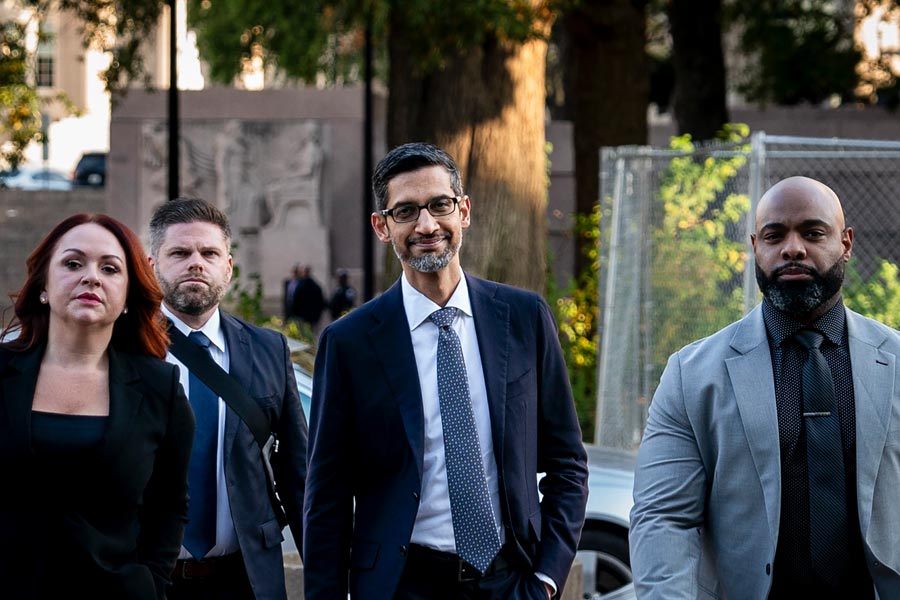
Vijay Gokhale, the former managing director of Union Carbide (top); Keshub Mahindra, a former non-executive chairman, outside the court.
Pictures by Prakash Hatvalne

Washington, June 7: Warren Anderson, a fugitive from Indian justice who was chairman of Union Carbide at the time of the Bhopal gas tragedy, is living up to his name.

Anderson was named after Warren Harding, one of the most scandal-tainted Presidents in US history and regarded as among the worst men to lead America, surrounded by alleged criminals within his inner circle and acts of criminality that would have made it impossible for him to sustain his presidency in today’s open society.

Of course, Anderson’s parents, first-generation Swedish immigrants, had no idea of what was to become Harding’s legacy when they named their son after the 29th President who was sworn into office following the largest victory in a US election in popular votes.

Harding became President in 1921, the year of Anderson’s birth.

It is a cruel twist of history that today Anderson lives in the shadows, leading a life of deception and denial, a fate which would have probably awaited his namesake had President Harding not died of a heart attack only two years into office, well before the scandals surrounding his presidency came into the open.

Anderson was last seen in public in August 2002 when the environment activist group, Greenpeace, along with Britain’s Daily Mirror tracked him down to one of his luxury homes in Long Island, New York.

According to published accounts in the US, Anderson and his wife Lillian also own similar houses in Vero Beach, Florida, and Greenwich, Connecticut, both playgrounds for America’s rich.

He is said to shuttle among his three homes, playing golf at exclusive clubs, but carefully shielded against another accidental encounter with the likes of Greenpeace activists.

There have been indications here that after the Bhopal court, which delivered a judgment today in the gas case, issued a warrant for Anderson’s arrest last July, he has gone into deeper seclusion, moving to Hampton Roads, Virginia, where the super rich have vacation homes on the picturesque Chesapeake Bay waters edge.

Greenpeace pointed out after tracking Anderson down nearly eight years ago that “life as a corporate criminal in the (United) States is hardly difficult — Anderson’s yearly golf club membership alone is three or four times the average compensation for a Bhopal survivor”.

Greenpeace and Daily Mirror found Anderson at his Long Island home even as the US government had been insisting that he was untraceable and India was pussyfooting on his extradition.

When he was tricked into an encounter by environmental activists and journalists, Greenpeace handed Anderson a copy of a warrant for his arrest, which had been issued earlier by the Indian government.

That encounter may have prompted India to formally file an extradition request for the former Union Carbide chairman with America. However, the impression here is that New Delhi will not press hard for the extradition lest it came in the way of future US investments in India.

According to Greenpeace, its campaigner Casey Harrell, who delivered the warrant to Anderson, said later of the encounter that “if a team of journalists and Greenpeace managed to track down India’s most wanted man in a matter of days, how seriously have the US authorities tried to find him all these years?

“The US has reacted swiftly on curbing the financial corporate crimes of Enron and WorldCom but has clearly not made much of an effort to find Anderson, responsible for the deaths of 20,000 people in India.”

According to Harrell, Anderson declined to discuss the Bhopal tragedy altogether during that meeting.

Top
Email This Page