TT Epaper
The Telegraph
 
  This website is ACAP-enabled
IN TODAY'S PAPER
WEEKLY FEATURES
CITIES AND REGIONS
SEARCH
 
ARCHIVES
Since 1st March, 1999
 
THE TELEGRAPH
 
Calcutta Weather
WeatherTemperature
Min : 25.9°C (-1)
Max : 36.9°C (+2)
Relative Humidity:
Max : 94% Min : 59%
Sunrise : 4:54 AM
Sunset : 6:16 PM
Today
Sultry and uncomfortable weather. Maximum temperature likely to be around 37°C.
 
CIMA Gallary
Email This Page
GAS TRAGEDY 2
- Benign sentence for worst disaster

Bhopal, June 7: Guilt— the death of at least 15,000. Punishment — two years in jail but bail for now.

Seven ageing Indian men walked out of a Bhopal court with a sense of relief today, convicted of negligence that caused the world’s worst industrial disaster 26 years ago but spared jail till their appeals are disposed of — a process that could take years.

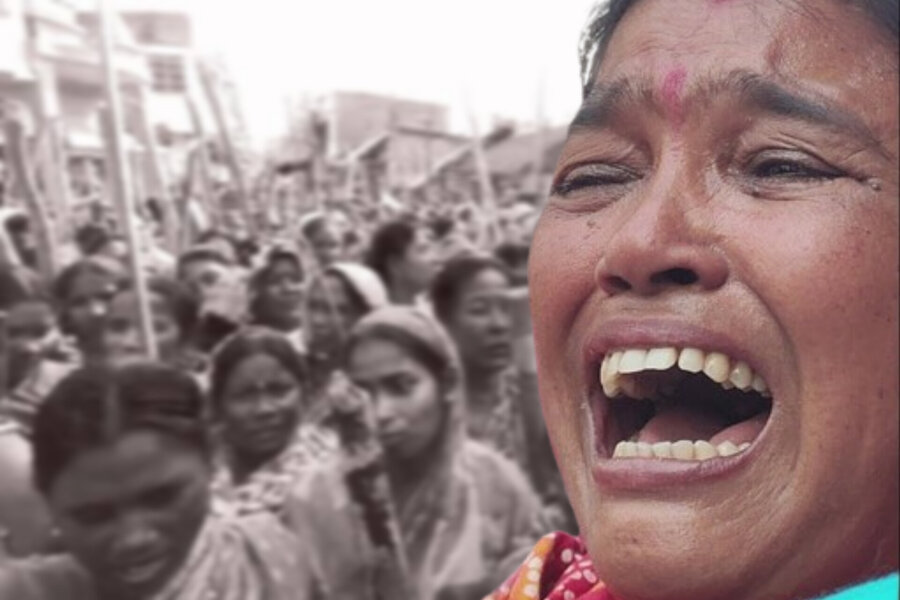
Outside, thousands of gas victims wept in disappointment, calling the sentence of two years’ jail and Rs 1.01 lakh in fines a “joke” after a 23-year trial that moved at a snail’s pace.

“This punishment is not enough. I lost my son, younger brother and father and I still have nightmares,” said villager Ram Prasad, 75. To law minister Veerappa Moily, the delay in judgment symbolised “justice buried”.

To many, the worst blow was the 93-page judgment’s silence on Warren Anderson, 89, who was chairman of the US-based Union Carbide Corporation when its Bhopal factory spewed the killer methyl isocyanate gas on the night of December 2-3, 1984.

The American is still in hiding with no serious effort having been made for his extradition.

Insult was added to injury with the survivors and the activists who championed their cause being barred from the courtroom and then being beaten up by police in riot gear when they demanded to be let in.

Inside the court, chief judicial magistrate Mohan P. Tiwari dealt with the day’s business quickly, convicting all the seven Indian accused who were officials of Union Carbide’s Indian arm.

The original charge had been culpable homicide, which can carry a life term, but it was changed under Supreme Court orders in 1996 to “causing death by negligence”.

The section is generally invoked against rash drivers and carries a maximum punishment of two years.

Tiwari, however, claimed he had not convicted the accused of culpable homicide because they were aged and suffered from serious ailments. All the convicts were granted bail against a surety of Rs 25,000 each.

The eighth convict, Union Carbide India Limited, has been fined Rs 5.01 lakh. Like Anderson, the remaining two accused, Union Carbide (US) and Union Carbide Eastern (Hong Kong), went scot-free.

The victims accused the CBI of half-hearted prosecution and alleged the government’s eagerness for foreign investment had prevented it from pursuing Anderson’s extradition in earnest or challenging the apex court ruling watering down the charges.

Activists said the case underscored the challenges of ensuring that safety regulations kept pace with India’s fast-growing economy. The issue looms over a stalled nuclear liability bill in Parliament that limits foreign firms’ responsibility in giving compensation to victims of nuclear disasters.

Dow Chemicals, which has bought Union Carbide, reacted to the judgment by saying neither it nor its officials were subject to the Indian court’s jurisdiction.

The government says the gas leak killed 15,274 people and maimed 50,000. International rights bodies say the toll was 25,000 dead and one lakh ill, with the after-effects including the birth of deformed children and environmental pollution that still endangers the health of at least 20,000 Bhopal residents.

The gas victims’ illnesses include cancer, blindness, and diseases of the respiratory, immune, neurological and female reproductive systems.


Top
Email This Page