|
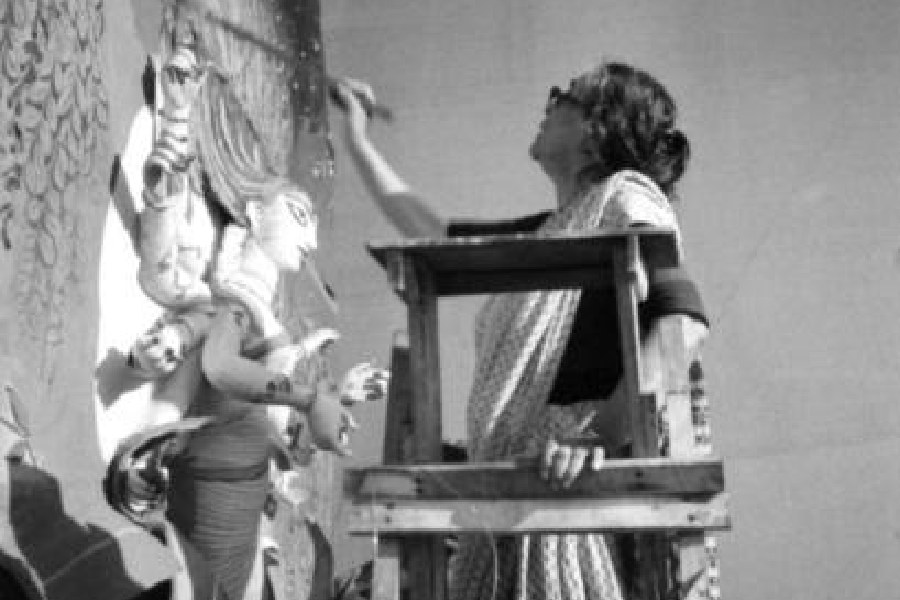
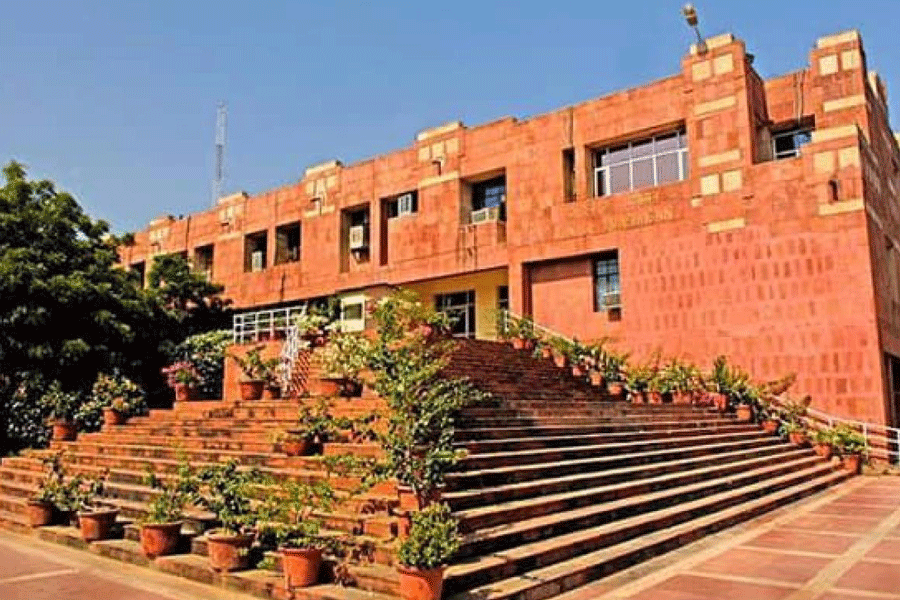
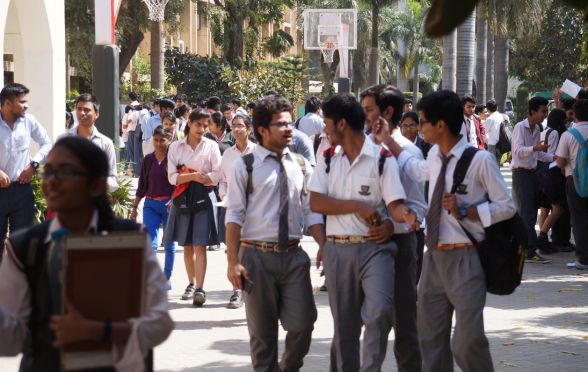
| Catching up on lost time? Picture by Amit Datta |
Calcutta, Dec. 1: Chief minister Buddhadeb Bhattacharjee has taken the most decisive step yet to free Presidency College from state control, getting the preliminary approval of the governor for a draft bill that will be placed in the current session of the Assembly.
The renewed drive comes more than three decades after the first attempts were made during the time of Siddhartha Shankar Ray and less than a month after Mamata Banerjee questioned at The Telegraph-Calcutta Club Debate why the college was not being given autonomy.
The bill on granting unitary university status to the 192-year-old institution will be placed in the Assembly during the winter session, a senior state government official announced this afternoon.
The proposal to upgrade Presidency College to a full-fledged university has been approved by governor Gopalkrishna Gandhi. Chief minister Buddhadeb Bhattacharjee, too, has given his consent, said the official.
The proposal for autonomy was first tossed in an unsigned article — everybody knew that Dipak Banerjee, an iconic professor in the economics department, had penned it — in the college magazine in 1972. But bureaucratic opposition came in the way of its freedom during Rays tenure as chief minister.
Although the proposal kept coming back to successive chief ministers — Jyoti Basu and Bhattacharjee — the education czars in the CPM fiercely opposed academic, financial and administrative freedom for the college in the name of democratising education.
This (unitary university status) should have been done a long tome ago. I am very happy that it has finally been done, said scientist Bikash Sinha, an alumnus of the college.
In the first week of November, the governing body of the college had submitted a proposal to the state government seeking unitary university status for the college. In the same week, Mamata asked at the Calcutta Club: Its been 32 years…. Why has the college not been able to get autonomy and become a university?
On November 17, the chief minister announced that a bill would be tabled in the winter session.
Now the matter will be discussed in the House. If necessary, the provisions in the bill may be amended and then it will be sent to the governor again for his assent, an official said.
The draft bill was sent to the Raj Bhavan recently in line with rules that require money bills — the Presidency proposal involves some financial changes — to be shown to the governor before being tabled.
However, the legislation alone cannot turn the one-time centre of excellence into a world-class university, alumni pointed out. A lot is left to be done, said Sinha.
As years of state control have resulted in a decline in standards and facilities — Sinha pointed out how the Baker Laboratory in the college had deteriorated — at Presidency College, the advocates of autonomy want sweeping changes before celebrating the promise of freedom.
Sukanta Chaudhuri, the renowned English professor who switched from Presidency to Jadavpur University, said he would reserve his elation till he knew what the follow-up decisions would be.
The biggest challenge will be staff changeover. Presidency has no staff of its own and its faculty forms part of the West Bengal Education Service. A university will require a new staff set-up. The present teachers by virtue of being in service there at the moment cannot be expected to continue. They can, if they so wish, apply again for selection, said Chaudhuri.
Teachers of good calibre were also on the mind of Nobel laureate Amartya Sen, an alumnus with whom the government is likely to hold discussions, when The Telegraph called him this evening.
Looking back at my own years at Presidency, I can say seeing people of the calibre of Sukhomoy Chakraborty teach there again would be fantastic, Sen said.
From recruiting a new set of teachers to augmenting physical and academic infrastructure, the distinguished alumni of the college have started drawing up a long wish list.
Sinha said Presidencys transformation would require the involvement of experts. A committee has to be set up to plan the course for the transition to an university of excellence. Without this it will be very difficult to get there, he said.
|