TT Epaper LHS
The Telegraph
TT Mobile
 
IN TODAY'S PAPER
WEEKLY FEATURES
CITY NEWSLINES
FEEDS
  RSS
  My Yahoo!
SEARCH
 
Archives Web
 
ARCHIVES
Since 1st March, 1999
 
THE TELEGRAPH
 
 
CIMA Gallary
 
Email This Page
Amnesty heat on Zardari

Islamabad, Nov. 21: Pakistan's government today released names of up to 8,000 beneficiaries including President Asif Ali Zardari, who got themselves cleared from graft cases under National Reconciliation Ordinace, promulgated by former military dictator Pervez Musharraf in 2007.

According to the list, released by law minister, Afzal Sindhu at a press conference in Islamabad, 8,041 people took advantage from the NRO; of them, 7,793 people including chief of Mutahida Qaumi Movement Altaf Hussain belong to Sindh.

Hussain, who formed the party in the early 1980s to represent Urdu speaking people, went into self-imposed exile in 1992 fearing his arrest in a number of criminal cases registered against him.

Altaf Hussein comes under trial for 72 cases while other top leaders of his party including Babar Ghauri (sitting minister), Sindh governor Ishratul Ibad, Dr. Imran Farooq, Nouman Sehgul, Dr. Farooq Sattar (sitting minister), Saleem Shehzad, Kanwar Khalid Younis, and Safdar Baqari were also booked in dozens of criminal cases.

Others who got indemnity under the infamous NRO include Asif Ali Zardari, interior minister Rehman Malik, Pakistani ambssadors, Hussain Haqqani, A R Siddidqui and Wajid Shamsul Hasan, defence minister, Chaudhry Ahmed Mukhtar, Benazir Bhutto's mother, Bagum Nusrat Bhutto, and several sitting and ex-minsters and former chief of civilian intelligence agency, retired Brigadier Imtiaz Ahmad.

Former President Pervez Musharraf had promulgated the ordinance in the late 2007 as part of a deal with slain opposition leader Benazir Bhutto.

The deal also paved way for Bhutto to return home from an eight-year self-exile in October 2007. But she was killed in a gun and suicide attack during an election rally in Rawalpindi on December 27,2007, clearing the way for Zardari to be nominated for office of the President by his Pakistan Peoples Party in August 2008.

The NRO, cleared these 8,041 politicians charged with graft between January 1, 1985 and October 12,1999, closing cases against them.

When asked about cases against Prime Minister Yousuf Raza Gilani, Sindhu said There were two cases against Gilani. However, he was acquitted in both the cases.

The government had early this month decided not to bring NRO in the parliament, which expires on November 28.

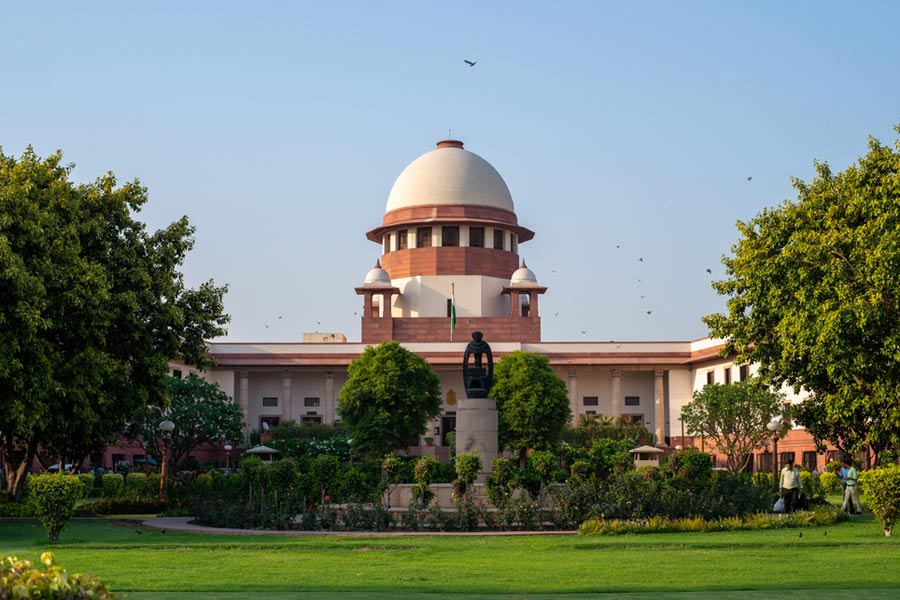
Analysts and jurists believe that the beneficiaries would have to face a difficult situation as and when Supreme Court decided to re-open the cases.

"These cases can be re-opened under ruling of the chief justice that he gave two years ago just days before imposition of emergency rule by then military dictator Pervez Musharraf, a senior lawyer Athar Minullah said.

Top judge Iftikhar Mohammad Chaudhry had declared while hearing five petitions challenging the NRO just days ahead of the imposition of emergency that "Any benefit drawn or intended to be drawn by any of the public office holders shall be subject to the decision on these petitions."

He said that those receiving an amnesty would "not be entitled to claim any protection (from prosecution) if this court concludes that the ordinance and its provisions are beyond the constitution."

A top Pakistan jurist Akram Sheikh had told The Telegraph that all cases of corruption (against Zardari and other beneficiaries) stood revived with the judgement of the Supreme Court, which declared Provisional Constitutional Order (PCO) and imposition of 2007 emergency as illegal and unconsitional on July 31 this year.

"Former President Musharraf had promulgated NRO in a bid to prolong his stay in the presidency," one of his close confidants and former minister Sheikh Rashid Ahmad said.

Top
Email This Page