Monday, 29 April 2024
Monday, 29 April 2024
Monday, 29 April 2024






Nusrat Jahan dazzles in a flowery summer dress
Piya Chakraborty’s new friend is a heartstopper
Juhi Parmar teaches chef Anna Polyviou how to make Aamras
Apple TV unveils trailer of biographical miniseries on Huey P. Newton
This Mother’s Day, add some cool jewellery pieces to her collection
Never has a Lok Sabha election in Kerala been so critical for all three national parties — the Bharatiya Janata Party, the Congress and the Communist Party of India (Marxist)
M.G. RADHAKRISHNAN
Information plays a critical role in a democracy. For people to take part in the democratic process & make an informed decision, it is essential they have access to correct information
NIRUPAM HAZRA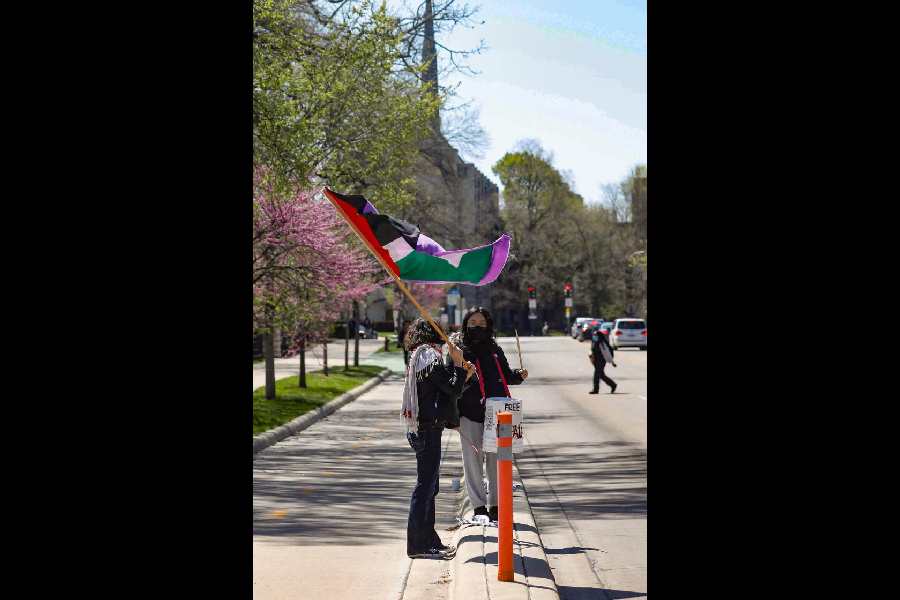
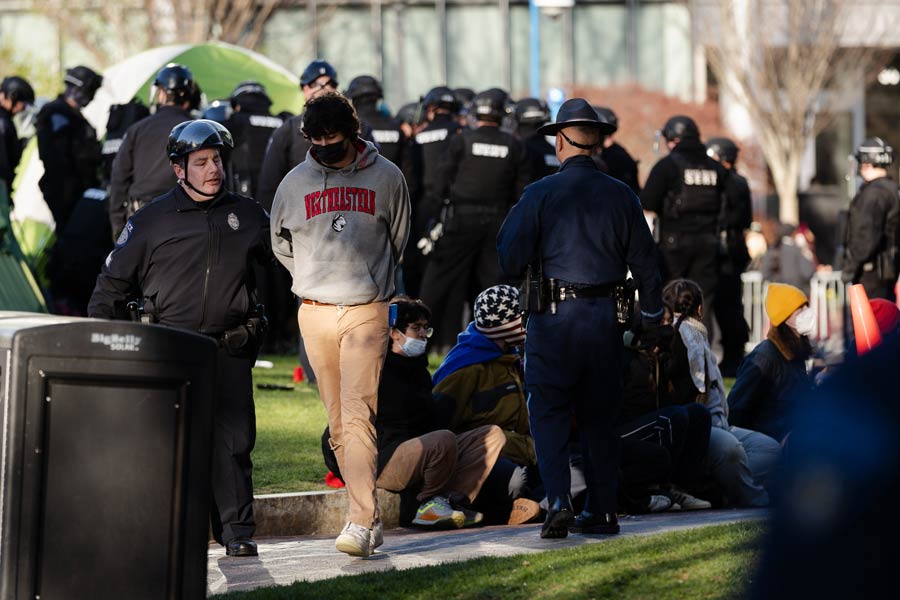
As politicians send riot police to try to smother a new protest movement, we’d do well to keep in mind why we’ve forgotten the ugliest aspects of the Vietnam protests
LYDIA POLGREEN
The scapegoating of Sri Lankan Tamils has broadly followed similar patterns as in India, even if the axis of persecution took place more on ethnic/linguistic rather than religious lines
ASIM ALI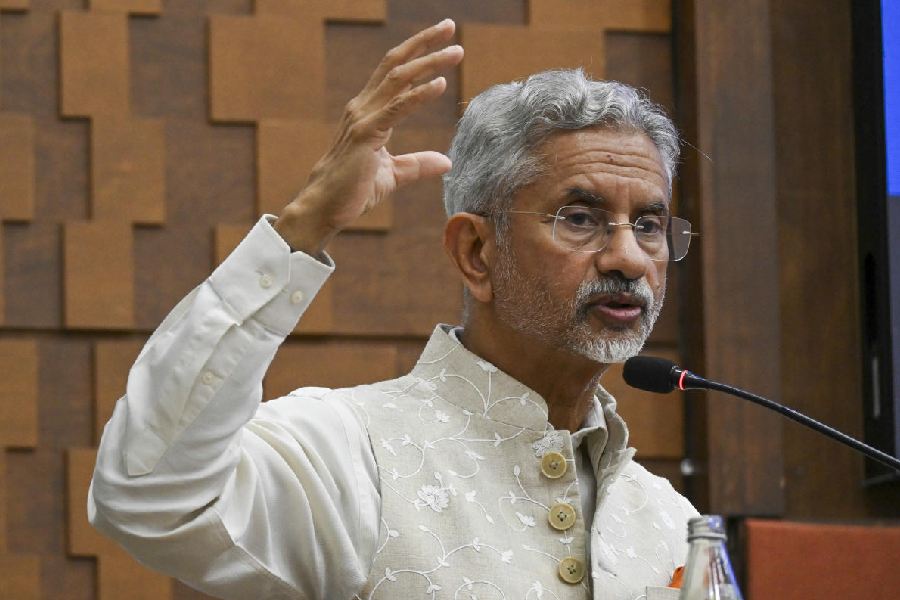
The early 1990s, with the end of the Cold War and arrival of Oslo Accords, changed those equations for Arab nations, China & India. Jaishankar knows this. India deserves better from him
THE EDITORIAL BOARD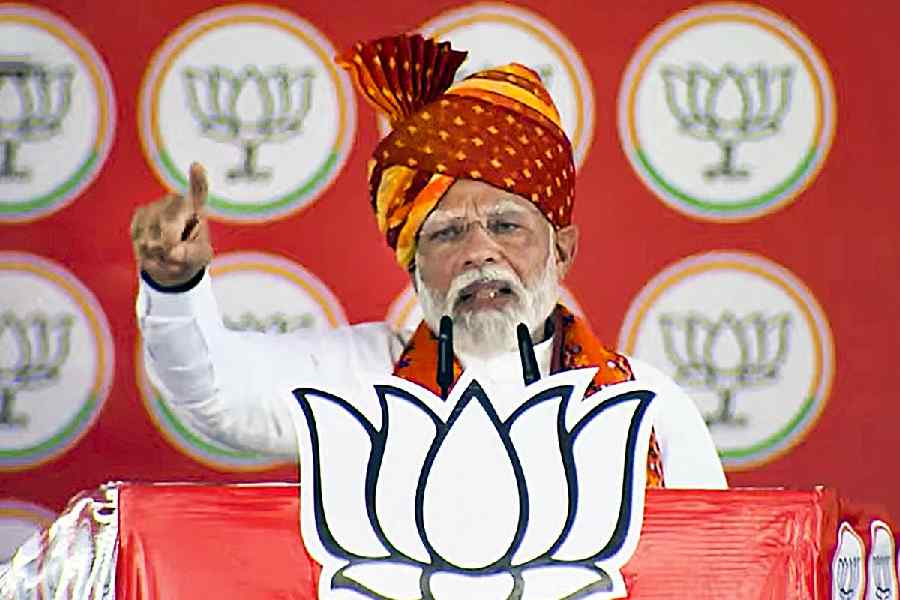
















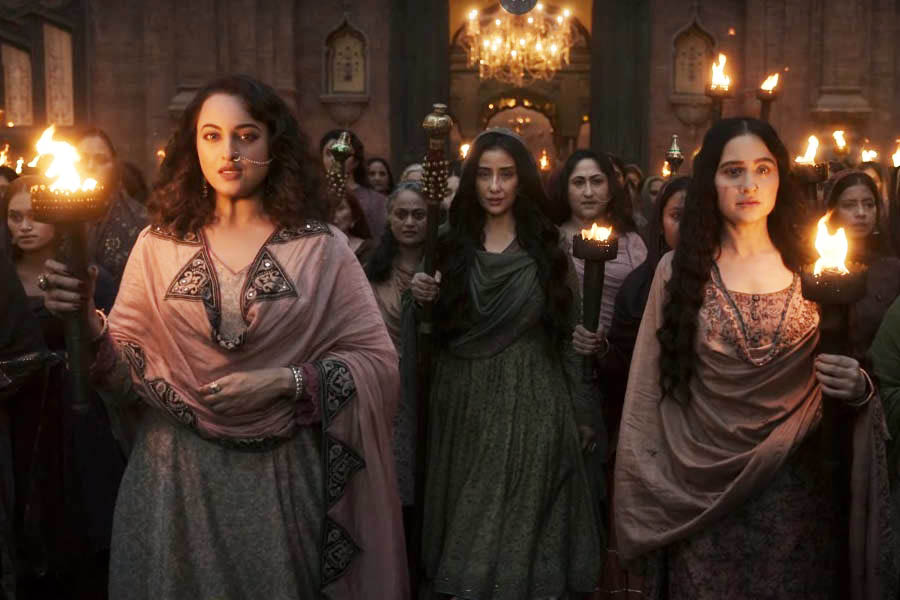
Marking Sanjay Leela Bhansali’s OTT debut, the Heeramandi: The Diamond Bazaar is slated to premiere on Netflix on May 1