|
 |
|
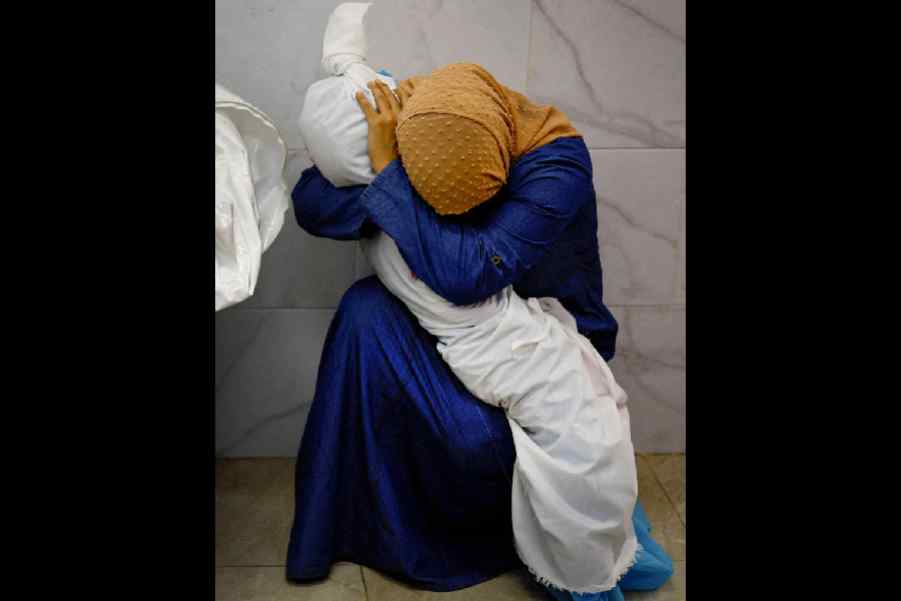
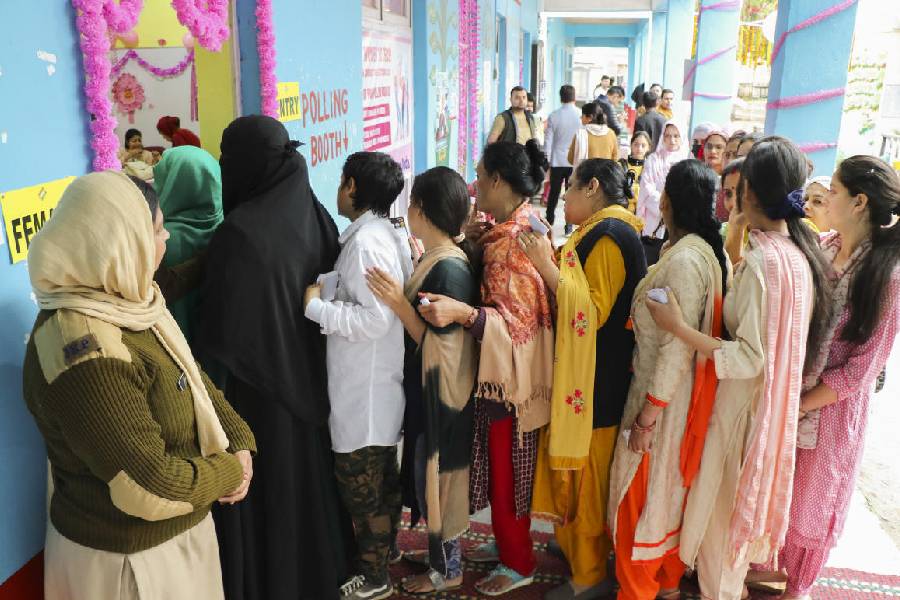
A Lalgarh woman who was released on bail in exchange for OC Atindranath Dutta’s freedom weeps on the shoulders of another outside Midnapore Central Jail. (Below) Dutta with his daughter and wife at their home on Friday. Pictures by Samir Mondal and Amit Datta |
Oct. 23: Im still alive, ************.
Lieutenant Danny Romans unvarnished logic in The Negotiator is not just a livewire line from a Hollywood hostage movie, it can also capture the significance of the rare day the Bengal government held its nerve and managed not to botch up a delicate task.
Atindranath Dutta is home and on television screens after he was released by Maoists last night.
The baby-faced Dutta would certainly not have chosen the profanity mouthed by Samuel L. Jackson in the movie, but the substance of the Bengal police officers summation would not be much different: I am still alive.
Few words can ring sweeter for a negotiator caught in a hostage situation, provided the price paid is low.
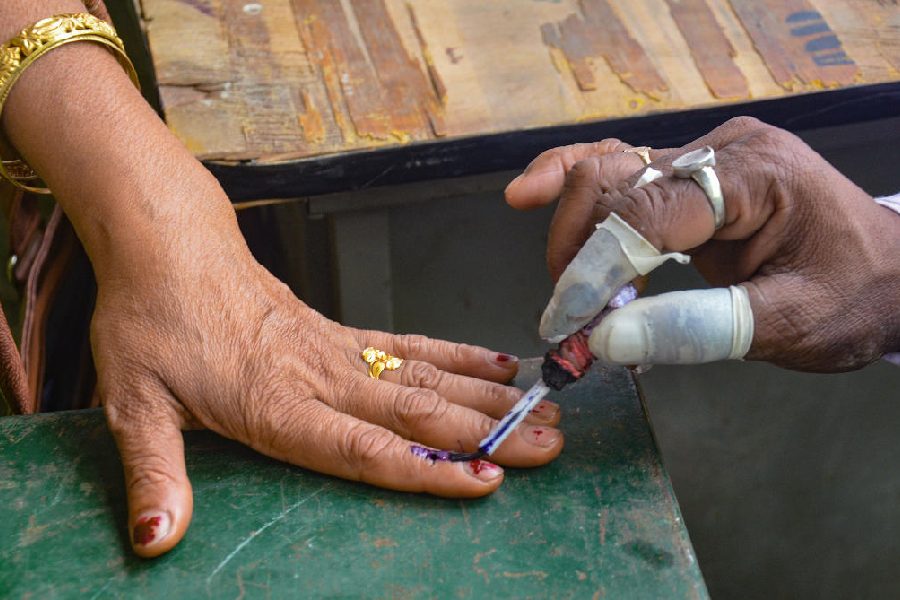
The price the Bengal government shelled out is as bearable as it can get: 14 bailed-out tribal women who today had to walk 1.5km from a prison to a bus stop so that they could reach home. Arrested on charges of sedition one aged lady said she was picked for being a bystander when a scuffle broke out their release was the condition set by the Maoists to release Dutta.
The forlorn sight of the women, some sobbing, trudging down the road was nothing like the image of a prisoner swap that stuck in the Indian psyche after the Kandahar hijack terrorists speeding away to Pakistan in a jeep to sow countless deaths since then.
As heat-of-the-moment assessments begin to die down, it is becoming increasingly clear that the Maoists have settled for much less some say for peanuts than what they demanded initially.
A question still unanswered is why the Maoists scaled back so quickly their demands for the release of Chhatradhar Mahato and withdrawal of the joint forces from Lalgarh.
A combination of factors, according to security analysts and Maoist sources who agreed to discuss in anonymity the virtual capitulation of rebel leader Kishanji.
First, the frequent arrests of tribal women who played a crucial role in the resistance movement in Lalgarh was affecting the morale of the tribals who have been standing by the guerrillas for over a year.
An integral part of our strategy has always been that women and children should form the first tier of resistance whenever the police try to enter villages in Lalgarh, a Maoist source said. But with the arrests of women in the region on flimsy grounds, the tribals here had started to ask why we were not stepping in to protect them.
The whittled-down demand to release the women has conveyed the impression that we continue to be the protectors of the tribals and that we would go to any extent to stop them from falling prey to police harassment, the source added. Kishanji did not ask for the release of his own men, instead his demand was that of the people of Lalgarh.
A tactical error is also being blamed for the retreat. According to the plan chalked out by Kishanji, Dutta should have been shifted out of Bengal and kept in one of the Maoist jails in either Jharkhand or Chhattisgarh.
However, intensified border patrolling it is not clear if the step-up was by design or an extended fallout of the talk by the Centre of an imminent crackdown prompted the Maoists to conclude that the transfer would be risky.
We realised that moving around with a hostage was a difficult affair as it slowed us down, a Maoist said.
The Maoists found it difficult to execute Dutta immediately as they had declared him a prisoner of war and that he would be accorded the treatment practised the world over. We could have used that option had negotiations with the government broken down, the Maoist said. But talks hadnt even started.
It was turning out to be a no-win situation for us, a Maoist said. So what Kishanji needed was a face-saver, which he got in the release of the women.
Another compulsion was the Maoists desire to shed the image of being beheaders after a Jharkhand police officer was decapitated. The murder of Francis Indwar had alienated sections of people who were soft on the Maoists and the rebels wanted to prevent further alienation, especially ahead of a security offensive.
Duttas reputation as a fair officer he was posted earlier in Belpahari, a Maoist-infested area also made the rebels feel that it would be difficult for them to justify any extreme step, the sources said. Killing him would have been a tactical blunder, a source said.
|