|
|
Celebration in Calcutta. (AFP)
|
New Delhi, July 2: If youre gay, you may.
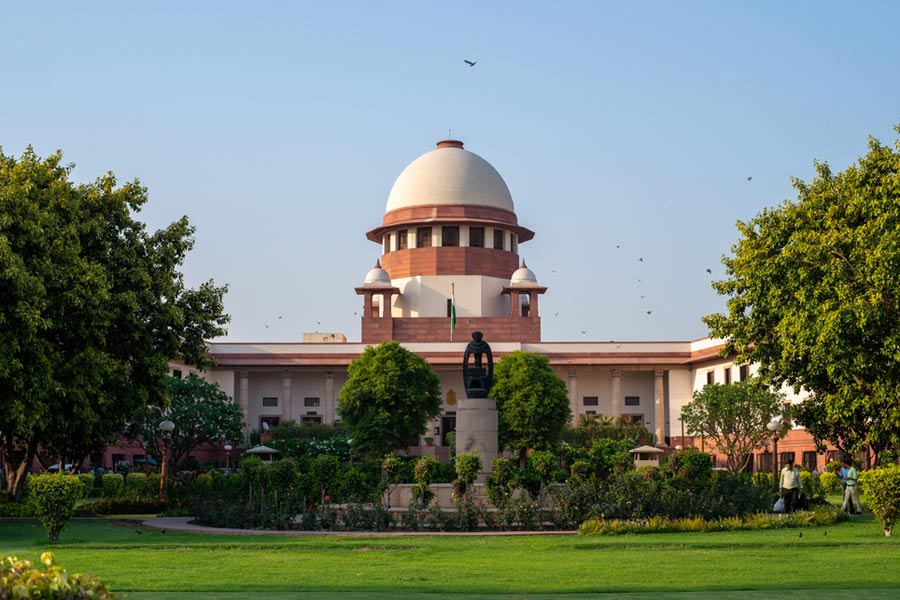
In a triumph for the much-victimised gay community and the countrys liberal ethos, Delhi High Court today ruled that Section 377 of the Indian Penal Code can no longer be used to harass consenting adult gays.
We declare Section 377 of Indian Penal Code, in so far as it criminalises consensual sexual acts of adults in private, is violative of Articles 21, 14, and 15 of the Constitution, Chief Justice A.P. Shah pronounced as Justice S. Murlidhar looked on.
Section 377 prescribes up to a life term for whoever voluntarily has carnal intercourse against the order of nature.
The verdict, which becomes applicable countrywide, enthralled gays, embarrassed the government and enraged religious groups who are determined to appeal against it.
Todays ruling has no real bearing on the letter of the 149-year-old, Victorian-era Section 377, which stays in the statute books and will continue to apply to all cases of non-vaginal sex involving minors and non-consensual acts that qualify as sodomy and bestiality.
However, until Parliament decides the fate of the section – the government had developed cold feet on scrapping it following objections from religious groups but now has a legal bulwark if it chooses to revive the initiative — or someone challenges the high court decision in the Supreme Court, todays order will be in effect.
The Centre, the Congress and the BJP played safe and declined immediate comment — law minister Veerappa Moily confined himself to saying we need to examine the details of the judgment.
The Samajwadi Party, which has considerable support among the minorities, opposed the order. The CPM supported decriminalisation.
Branding one section of people as criminal based wholly on states moral disapproval goes counter to equality guaranteed in the Constitution, the judgment said.
The pronouncement by the two-judge bench was greeted by whoops of delight from the throng of gays and rights activists in court.
The bench rejected prejudices against homosexuality. Moral indignation, howsoever strong, is not a valid basis for overriding individuals fundamental rights of dignity and privacy. Constitutional morality must outweigh the argument of public morality, even if it be the majoritarian view, the bench said.
It added that Section 377 denies a gay person the right to full personhood, which is implicit in the notion of life under Article 21, and that Article 15 prohibits discrimination on grounds of sex.
Dismissing another prejudice, the court said: There is almost unanimous medical and psychiatric opinion that homosexuality is not a disease or disorder.… Homosexuality was removed from the diagnostic manual of mental disorders in 1973 after reviewing evidence.... In 1992, the WHO removed homosexuality from its list of mental illness….
The verdict is a rap to the governments position that has long labelled gay sex immoral. Homosexuals are only 0.3 per cent of the population and the rights of the other 99 per cent cannot be compromised by legalising such behaviour, it had said.
The court criticised the government for asking it to refrain from scrutinising the homosexuality law as it might amount to encroaching on legislative functions.
The bench also debunked the belief that decriminalising such acts would lead to spread of HIV. The stigma, discrimination and criminalisation faced by men who have sex with men and transgender people are major barriers to universal access to HIV prevention and treatment.
Countering the cultural card some groups had played against legalising gay rights, the court referred to the traditional inclusiveness of Indian society that recognises a role for everyone. Those perceived by the majority as deviants or different are not on that score excluded or ostracised, the bench said.
Emotions also overflowed in the corridors outside the court. Gays openly hugged and flashed the V sign. Their exuberant display was in many ways unprecedented in stiff-collar court environs, but the decade-old battle was emotive for this marginalised section that now refers to itself as LGBTs -- Lesbians, Gays, Bisexuals and Transgenders.
Its been a long time coming since they first went to court eight years ago. It was an inconvenient case even for the courts wary of pushing for social change through judgments -- it was thrown out without a hearing.
That was till four years ago when the Supreme Court asked the high court to examine claims that police were using Macaulays law of 1860 to persecute the community.
The battle had brought all shades of prejudices out into the open. Hardliners such as B.P. Singhal joined issue in court, so did the little-known JACK -- the Joint Action Committee, Kunnur. JACKs Purshottam Mulloli now plans to go to the Supreme Court against the high court judgment, as do many religious groups.
Till then, the beleaguered community can breathe easy. The law that gave them sleepless nights, forced them to live in the shadows, haunted and persecuted them cannot be invoked against them any more, lawyers of NGO Naz Foundation, which fought the high court case, said.
Only if someone complains that some particular same-sex activity was non-consensual can police invoke Section 377, lawyers Mehak Sethi and Shivangi Rai said.
|