|
For Monish Malhotra, a six-month-old baby and a golden Labrador were the face of a Queer March organised in Delhi last year. A husband and wife who participated in the march had put a label on their baby that read, Im a gay baby. Their dog wore a label that said, Im a gay pet, recalls Malhotra, a member of the Delhi Queer Pride Committee, the organisers of the citys first gay march. About 1,200 people showed up for the march.
On June 28, Malhotra expects thrice the number of people at this years queer march. And it wont be an exclusive gay, lesbian and transgender affair. Parents, friends, colleagues and siblings of queer people will all participate in marches to be held in Delhi, Calcutta, Bangalore and Bhubaneshwar. We want to show that gays are not a closeted community, says Malhotra.
Homosexuals in urban India dont want to lead hidden lives any more. As cultural mindsets change in big cities, people are becoming more open and comfortable about their sexuality, says Lesley A. Esteves, an activist with Voices against 377 an organisation that works for gay rights.
Till three years ago, homosexuals in India only had gay right groups to turn to for medical, legal and psychological support. But now the movement has expanded. Queer people in India are no longer haunted by doubts about being normal. So they need more than just psychological support, says Maya (she doesnt use a second name), project manager, Sangini, a Delhi-based organisation that works with lesbians.
Gay rights are now a lifestyle movement in urban India loud, and sometimes cheekily in-your-face. For maximum impact, Delhis queer community will march to the tune of a wedding band at the parade and will be accompanied by a gay float. Bangalore is mixing sports with sexuality a queer cricket match is being organised in the city.
Nigah a gay group born on the Jawaharlal Nehru University (JNU) campus holds film festivals, book discussions, photography exhibitions and cultural shows for homosexuals. Two Delhi-based publication houses Yoda Press and Sage Publications publish books on alternative sexuality. Mumbai has three groups which convene gay parties every month. Delhi has a running group for queer people called the Delhi Front Runners. It organises runs every Sunday, says member Sunil Gupta, who is also a part of Nigah.
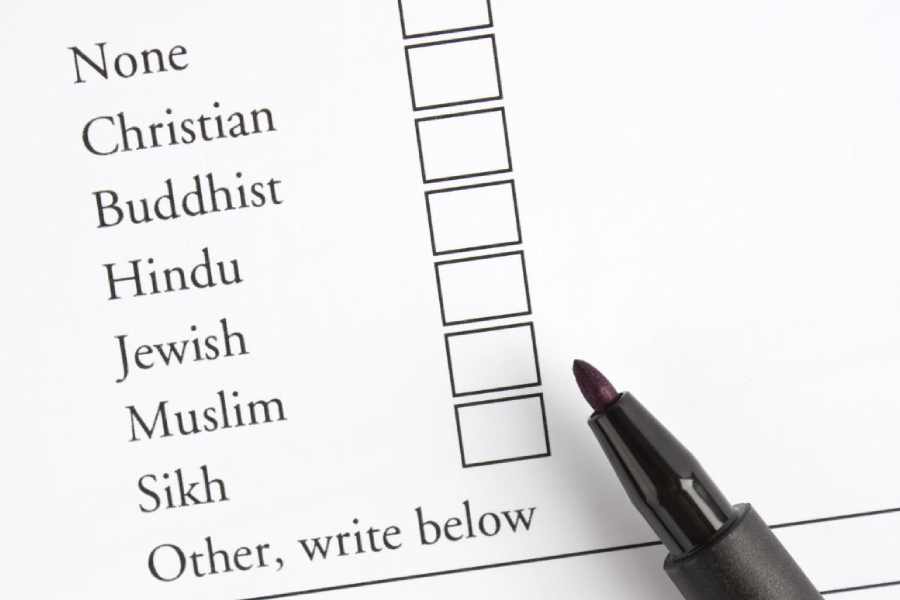
The government of India is doing its bit. The passport form now comes with a transgender option, along with male and female, says Ponni Arasu, a lawyer at Delhis Alternative Law Forum (ALF), who lives an openly lesbian life.
Hindi films are Indias cultural barometer. When Karan Johars movie Dostana shows a homely mother trying to accept her sons homosexuality, it means mindsets are changing in India, says Elavarthi Manohar, founder, Sangama, a Bangalore-based gay group.
In March this year, a magazine for gays, Bombay Dost which shut shop seven years ago was re-launched. Vivek Anand, a member on the magazines advisory panel, was amazed at the change in reception that the glossy magazine received. When we launched in 1990, we sent complimentary copies in envelopes, without mentioning the senders address. No book store wanted to touch the magazine, recalls Anand.
Two decades later, the homophobia is almost gone. Bombay Dost was re-launched by actress Celina Jaitley at a packed party in Mumbais Oxford Book Store. Of the 1,500 printed copies, half have already been sold, claims Anand. We are now coming up with a version that can be downloaded from the Internet, he adds.
The gay debate has also moved from the personal to the professional domain. In April, this year, Bangalores Alliance Francaise organised a panel discussion on Being Queer at the Workplace. Karthik Vartharaj, who works at an American consulting firm in Bangalore, was a part of the panel and spoke of how an ordinary water cooler discussion prompted him to reveal his homosexuality at work.
My colleagues were discussing a same sex marriage that had recently happened in California. Someone said that now dogs will also get marriage rights. This deeply impacted me, recalls Vartharaj. He decided to come out with his sexuality to make his co-workers sensitive towards homosexuality. I felt they must have a face to relate to, he says.
The biggest change in perception towards homosexuality is happening among the youth, feels Gupta of Nigah which has been holding discussions on gay issues in Delhi colleges and universities. The youth have a liberal outlook towards sex in general. This makes them open to homosexuality, he says.
A new community opens up a new economy. Though still in a small way, Indian businesses are discovering the power of pink money. Delhi has four gay bars, which hold a gay night each, every week. The bars are packed to capacity on these nights, says Malhotra.
Pink, clearly, is the colour of the season.
|