|
|
Voluntary check
|
New Delhi, Jan. 13: The Centre has revived plans to regulate education in madarsas through an independent board, a proposal dumped two years ago amid opposition from top seminaries that feared government interference.
The human resource development ministry has drafted a cabinet note for a Central Board for Madrasa Education, clearly specifying that affiliation to the authority will be voluntary, senior government officials have said.
Top ministry officials are vetting the note for the board that seeks to legally recognise madarsa degrees, paving the way for students from seminaries to directly enter higher education.
Most universities across the country now do not recognise madarsa degrees while granting admission to students. Some institutions conduct equivalence courses for madarsa students, admitting those who clear these courses.
The move represents a turnaround from early 2007, when junior HRD minister D. Purandeswari told Parliament that the government had dropped plans to set up the board.
The board will be one part of a two-pronged strategy to allow madarsa students access to higher education, without appearing to interfere in the functioning of the seminaries, sources said.
It will function like other state or central boards — such as the Central Board for Secondary Education — offering degrees that certify that a student is qualified to study in college. The marking scheme will be more liberal.
But students from madarsas that choose not to join the board may still have an opportunity to get higher educational institutions to recognise their seminary degrees.
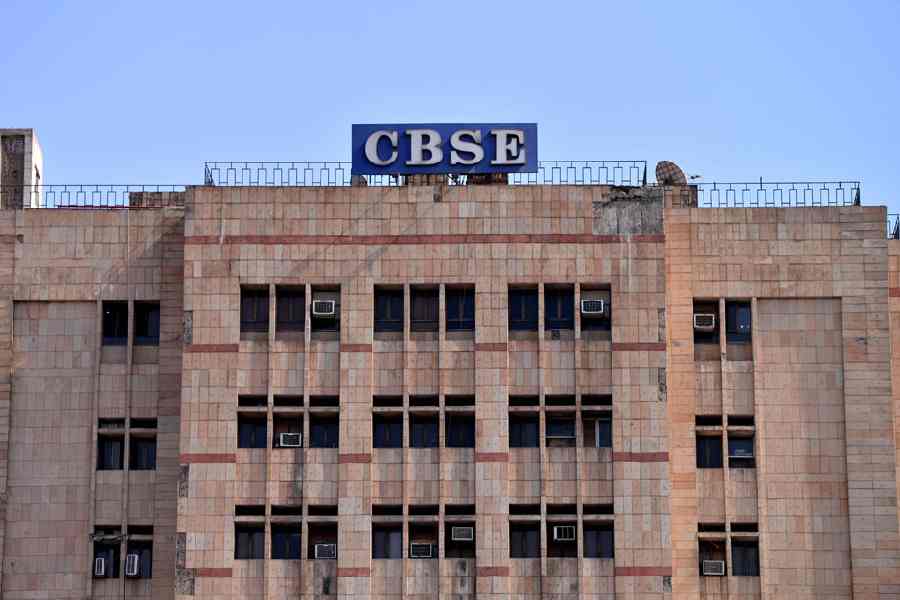
A committee headed by CBSE acting chairman Vineet Joshi has devised a mechanism that will allow the government to translate performance parameters used in madarsas into marks according to the CBSEs marking scheme.
Based on these marks, students can compete for admission to higher educational institutions, according to the recommendations of this committee, set up in 2007 to prepare the mechanism.
The new contours of the board are based on the recommendations of a committee set up by the HRD ministry under junior education minister M.A.A. Fatmi to study the concerns raised by the major madarsas.
The Fatmi committee had met recently to finalise its recommendations.
The board, the brainchild of HRD minister Arjun Singh, was initially planned in 2006 as a body that would ensure minimum standards of education in madarsas.
All madarsas that met these standards could affiliate themselves to the board. Their students would then receive degrees, allowing them the admission opportunities available to students from other national or state boards.
But the plan required the board to monitor the funding of madarsas and audit their accounts to prevent financial mismanagement.
Influential seminaries had opposed the plan, arguing that affiliation to the board would mean surrendering part of their autonomy and allowing government interference.
They said they were concerned that a government unfriendly to minorities could use the board to infringe on their autonomy.
The government explained that madarsas had the option of not joining the board. But minority leaders argued that by offering better career prospects to students from those madarsas that joined the board, the government was discriminating against the rest.
Now, madarsas can choose whether they want to join the board. Alternatively, they can seek CBSE equivalence for their degrees, an official said.
|